
Beautiful Plants For Your Interior
Beautiful Plants For Your Interior
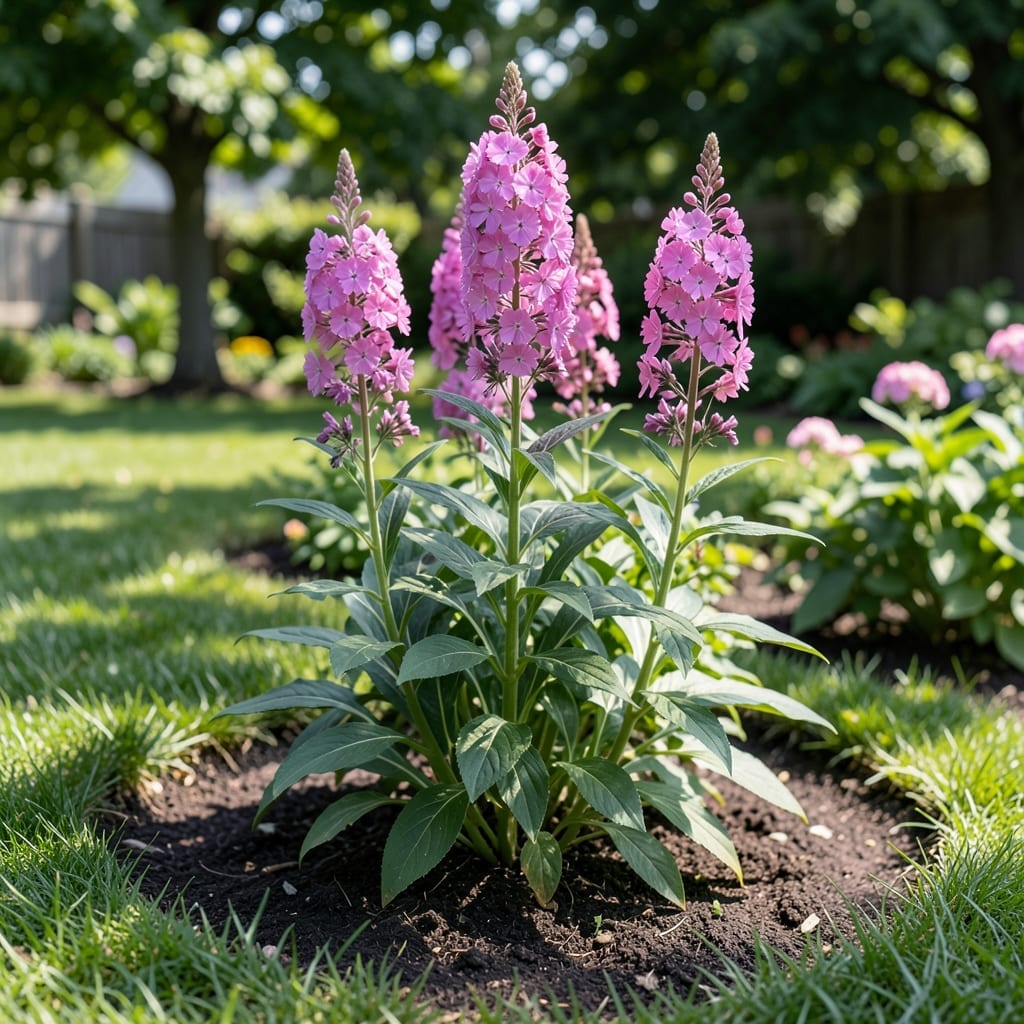
Garden phlox are a beloved staple in flower gardens, but their mature size often surprises new growers. Understanding their height and spread is key to proper placement in your landscape design.
These vibrant perennials typically reach between 2-4 feet tall, making them perfect for mid-border positions. Their lush, upright growth creates stunning vertical interest in any garden.
I’ve seen many gardeners underestimate how much space these plants need. The right knowledge prevents overcrowding and ensures your 🌸 Garden Phlox thrive.
Discover how to plan your garden layout effectively by learning about their growth habits. Let’s explore what makes these flowers such a rewarding choice.

If you’re planning a garden with garden phlox, knowing their mature size is crucial. Most Phlox paniculata varieties reach 2 to 4 feet in height, with a 2 to 3-foot spread. This makes them ideal for mid-border placements.
Dwarf cultivars, like ‘Shortwood’ or ‘Little Boy’, stay compact at 1 to 2 feet tall. These are perfect for container gardens or front-of-border displays where space is limited.
| Variety | Mature Height | Spread |
|---|---|---|
| Phlox paniculata | 2-4 ft | 2-3 ft |
| ‘Shortwood’ | 1-2 ft | 1-2 ft |
| ‘David’ | 3-4 ft | 2-3 ft |
| ‘Bright Eyes’ | 2-3 ft | 2 ft |
Standard garden phlox like ‘David’ or ‘Eva Cullum’ can reach the taller end of the spectrum. I’ve seen ‘David’ hit 4 feet in ideal conditions with rich, well-drained soil.
For those with limited space, dwarf varieties are a game-changer. ‘Little Boy’ and ‘Shortwood’ stay under 2 feet, fitting neatly into small gardens or patio containers without overwhelming the space.
The spread of garden phlox is equally important. Most varieties spread 2 to 3 feet wide, so I recommend spacing plants 18 to 24 inches apart. This allows for air circulation, reducing the risk of powdery mildew.
In my experience, taller phlox benefit from staking in windy areas. Their upright growth habit can make them top-heavy, especially when in full bloom. A simple bamboo stake or plant ring works wonders.
If you’re aiming for a layered garden look, place taller phlox at the back of borders. Shorter varieties can edge pathways or fill gaps in perennial beds. This creates visual depth and ensures every plant gets its moment to shine.
Don’t forget to consider growing conditions. In partial shade, garden phlox may stretch slightly taller as they reach for light. Conversely, in full sun, they tend to stay more compact with sturdier stems.
For the best results, I always mulch around my phlox to retain moisture and suppress weeds. This helps maintain consistent growth and keeps your garden looking tidy throughout the season. 🌿
If you’ve ever wondered why your garden phlox isn’t reaching its expected 2-4 foot height, several factors might be at play. I’ve found that sunlight exposure is the most critical element in determining final size.
Phlox paniculata thrives in full sun (6+ hours daily) but can tolerate partial shade. However, less light often results in shorter, leggier plants with fewer blooms.
In my experience, poor soil is the second most common reason for underperforming phlox. These plants prefer slightly acidic to neutral soil with plenty of organic matter. A soil test can reveal if amendments are needed.
Watering practices also play a significant role. While garden phlox is somewhat drought-tolerant, consistent moisture (especially during the first growing season) helps it reach its full 2-4 foot potential.
Don’t overlook pruning techniques. I always recommend pinching back the top 1/3 of stems in late spring. This simple step encourages branching, resulting in a fuller plant with more flowers and better height.
Finally, remember that microclimates in your garden can affect growth. A sheltered spot might produce taller phlox than an exposed, windy area. Observe your garden’s conditions to place these beauties where they’ll thrive 🌸