
Beautiful Plants For Your Interior
Beautiful Plants For Your Interior
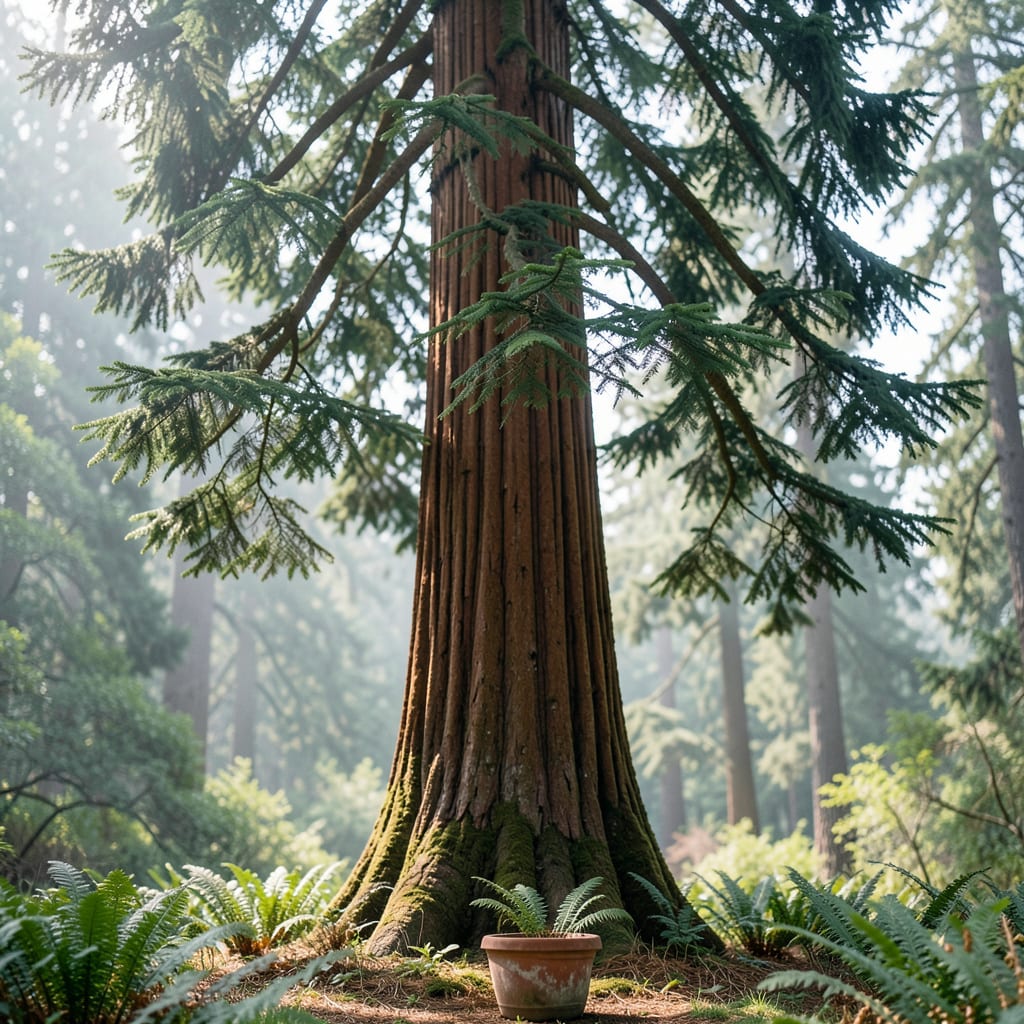
As I stand before a majestic Coast Redwood 🌲, I’m struck by their towering presence – some specimens reach heights over 380 feet. Growing these natural giants requires understanding the factors that influence their height.
In USDA Zone 6, where these trees can thrive, several key elements come into play. Let’s explore what determines their maximum height potential and how to support their growth.

Coast redwoods are among the tallest trees on Earth, with some specimens reaching heights over 380 feet. Understanding what factors influence their growth can help us better appreciate these natural giants 🌲.
The height of coast redwoods is influenced by various environmental factors. Let’s explore these factors and how they impact the growth of these magnificent trees.
The climate plays a significant role in determining the height of coast redwoods. These trees thrive in cool, foggy conditions, which help maintain moisture and reduce water stress. Areas with frequent fog, like the northern California coast, provide ideal conditions for coast redwoods to reach their maximum height 🌟.
Soil quality is another critical factor. Coast redwoods prefer well-drained, nutrient-rich soils that can support their extensive root systems. A mix of sand, silt, and organic matter can provide the necessary nutrients and drainage for optimal growth.
Water availability is essential for coast redwood growth. While these trees can tolerate some drought, consistent moisture levels promote healthier and taller trees. The fog that frequently blankets their native habitat provides a steady source of moisture, supplementing rainfall and reducing transpiration 🔍.
In addition to these factors, the presence of mycorrhizal fungi in the soil can enhance nutrient uptake and support tree health. These fungi form symbiotic relationships with the roots of coast redwoods, aiding in the absorption of water and nutrients.
Understanding these environmental factors can help in the conservation and management of coast redwood forests. By maintaining or replicating the natural conditions that support their growth, we can promote the health and longevity of these remarkable trees 🌿.
Coast redwoods also benefit from moderate temperatures and high humidity, which are typical of their native foggy coastal environments. These conditions reduce water stress and promote continuous growth throughout the growing season.
The topography of the land can also influence the height of coast redwoods. Trees growing in valleys or on gentle slopes may have access to more consistent moisture and nutrients compared to those on steep or exposed sites.
Overall, the combination of favorable climate, appropriate soil conditions, and adequate water availability creates an environment where coast redwoods can achieve their remarkable heights. By understanding and managing these factors, we can support the growth and preservation of these natural wonders 🌲.
Further research into the specific needs of coast redwoods can provide more detailed insights into optimizing their growth conditions. This knowledge can be invaluable for both conservation efforts and cultivation in suitable environments.
While environmental factors play a significant role in determining the height of coast redwoods, genetic predisposition and tree age are also crucial elements that influence their growth 🌲.
The genetic makeup of a coast redwood can significantly impact its potential height. Some trees are naturally predisposed to grow taller than others due to their genetic characteristics.
Genetics and age are critical factors in determining the maximum height potential of coast redwoods. Understanding these factors can help in managing and conserving these trees.
Tree age is another important factor. Coast redwoods are known for their longevity, with some living for over 2,000 years. The age of a tree can influence its growth rate, with younger trees typically growing faster than older ones.
As coast redwoods age, their growth rate slows down. However, they continue to grow throughout their lives, albeit at a slower pace. This sustained growth over centuries allows them to reach remarkable heights 🔝.
The combination of genetic potential and environmental conditions determines the ultimate height of a coast redwood. Trees with a strong genetic predisposition to grow tall, when combined with favorable environmental conditions, are more likely to achieve exceptional heights.
In addition to genetics and age, other factors such as forest competition and resource availability can also influence the growth of coast redwoods. Trees that have more access to resources like light, water, and nutrients are likely to grow taller 🌟.
Understanding the interplay between genetics, age, and environmental factors is essential for managing coast redwood forests effectively. By considering these elements, conservation efforts can be tailored to support the growth and preservation of these magnificent trees 🌿.
Research into the genetic diversity of coast redwoods can provide valuable insights into their growth potential. This information can be used to inform conservation strategies and ensure the long-term health of these iconic trees.
By recognizing the importance of both genetic and environmental factors, we can better appreciate the complexity of coast redwood growth and work towards preserving these natural wonders for future generations 🌲.
Coast redwoods face various disturbances that can significantly impact their growth and height. Understanding these factors is crucial for effective conservation 🌲.
Human activities have historically affected coast redwood forests. Logging has been a major disturbance, with many old-growth forests being harvested for their valuable timber.
Human disturbances like logging can significantly impact coast redwood height and overall forest health.
Forest management practices also play a role in shaping coast redwood forests. Some practices can help promote the growth of these trees, while others may hinder their development.
Natural disturbances, such as wildfires and storms, are part of the natural cycle of coast redwood ecosystems. While these events can be destructive, they also create opportunities for regeneration and growth 🔥.
The frequency and intensity of natural disturbances can influence the height of coast redwoods. For example, frequent fires can lead to the development of fire-resistant traits in these trees.
Coast redwoods have evolved to cope with certain types of disturbances. Their thick bark provides protection against low-intensity fires, allowing them to survive and continue growing.
Understanding the impact of human and natural disturbances on coast redwoods is essential for developing effective conservation strategies. By recognizing the role of these factors, we can work towards preserving these magnificent trees 🌟.
Conservation efforts that take into account the complex interplay between human activities and natural disturbances can help ensure the long-term health and sustainability of coast redwood forests 🌿.
By adopting a holistic approach to managing these ecosystems, we can promote the continued growth and vitality of coast redwoods for generations to come 🌲.
Climate is crucial for coast redwood growth, with cooler, foggy conditions promoting taller trees. Areas with frequent fog, like northern California, provide ideal conditions for maximum height.
Coast redwoods prefer well-drained, nutrient-rich soils that support their extensive root systems. A mix of sand, silt, and organic matter provides necessary nutrients and drainage for optimal growth.
Yes, genetic predisposition significantly impacts a coast redwood’s potential height. Some trees are naturally inclined to grow taller due to their genetic characteristics.
While destructive, wildfires are part of the natural cycle and can create opportunities for regeneration. Coast redwoods have thick bark that protects them against low-intensity fires, allowing them to survive and continue growing.
