
Beautiful Plants For Your Interior
Beautiful Plants For Your Interior
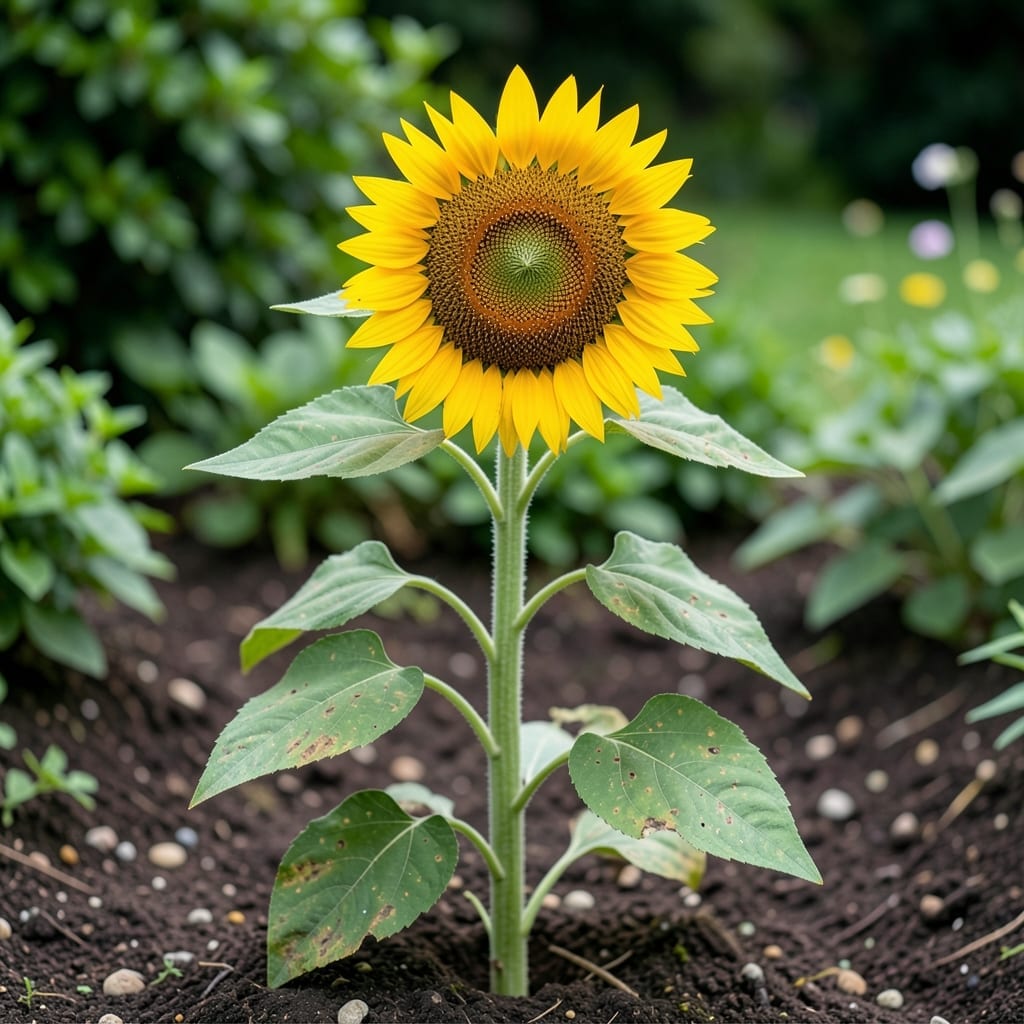
Brown leaves on sunflowers hit differently—it’s like your garden’s smile fading. I’ve battled this issue with my own towering beauties, and it often comes down to simple fixes you can spot with a quick inspection.
The usual suspects are overwatering, drought stress, or sneaky pests hiding under the foliage. Each problem leaves a distinct mark, and once you learn to read the signs, you’ll know exactly where to start.
With a few adjustments to watering, soil, or pest control, those leaves can perk back up within days. The key is catching it early before the damage spreads to the blooms.
Works for all sunflower varieties, whether you’re growing mammoth giants or dwarf patio types. Here’s how to diagnose and fix it fast.
Sunflowers with brown leaves are often signaling distress. Here are the most common causes, explained scientifically and with actionable insights:
Sunflowers thrive in full sun, but excessive heat or drought can scorch their leaves. When temperatures soar above 90°F (32°C), the plant’s cells lose moisture faster than the roots can absorb it, leading to leaf burn. The edges turn crispy and brown as the plant sacrifices foliage to conserve water for survival.
Underwatering causes leaves to dry out and brown from the tips inward, as the plant lacks sufficient water to support cellular functions. Conversely, overwatering suffocates the roots, preventing oxygen uptake and leading to root rot. This rot disrupts nutrient flow, causing leaves to yellow first, then brown as they die off.
Fungi like Alternaria or Septoria thrive in wet, humid conditions. They attack leaves, creating brown or black spots that expand over time. These pathogens break down plant tissue, leading to necrosis (dead tissue). Poor air circulation and overhead watering exacerbate the problem.
Pests such as aphids, spider mites, or sunflower beetles sap the plant’s nutrients by feeding on its leaves and stems. Their damage weakens the plant, and the stress often manifests as browning or wilting leaves. Spider mites, in particular, leave behind fine webbing and stippled brown patches.
A lack of essential nutrients like potassium or magnesium can cause leaf discoloration. Potassium deficiency often leads to brown leaf edges (scorching), while magnesium deficiency causes interveinal chlorosis (yellowing between veins) that progresses to brown. Soil testing can confirm imbalances.
Reviving your sunflowers starts with pinpointing the issue and taking targeted action. Below are the most common causes of brown leaves and their practical fixes, along with tips to keep your plants thriving long-term.
If dry soil is the culprit, give your sunflowers a deep watering at the base (avoid wetting the leaves). Water until the soil is moist 2–3 inches down. To prevent recurrence, mulch around the plant with straw or wood chips to retain moisture. Pro tip 💡: Water early in the morning to reduce evaporation.
Soggy roots lead to brown, wilting leaves. Stop watering immediately and check the soil—if it’s waterlogged, loosen it with a garden fork to improve aeration. For potted sunflowers, ensure the container has drainage holes. Prevention ✨: Use well-draining soil and water only when the top inch of soil feels dry.
Spotted or yellowing leaves with brown edges often signal fungus. Remove affected leaves with clean scissors to stop the spread. Apply a copper-based fungicide or a DIY mix of 1 tsp baking soda + 1 quart water + a drop of dish soap. Prevention 🎯: Space plants for airflow and avoid overhead watering.
Check the undersides of leaves for pests like aphids or beetles. Blast them off with a hose or wipe leaves with soapy water. For severe infestations, use neem oil or insecticidal soap. Prevention 🌡️: Encourage beneficial insects (like ladybugs) and keep the garden free of debris.
If leaves crisp at the edges, your sunflower may need shade during peak heat (especially young plants). For nutrient issues, work compost into the soil or use a balanced fertilizer. Prevention 🌱: Harden off seedlings before transplanting and test soil annually.
With these fixes, your sunflowers should bounce back in 1–2 weeks—just stay consistent!
Water deeply 1-2 times per week, allowing the top 1 inch of soil to dry between waterings. Overwatering causes root rot, while drought stress leads to crispy edges. Adjust based on rainfall and heat.
Unfortunately, no. Once leaves turn brown, that tissue is dead. Focus on fixing the underlying issue (water, pests, nutrients) to save the rest of the plant. New healthy growth will appear in 1-2 weeks.
Remove infected leaves immediately, then apply a copper fungicide or baking soda spray. Improve airflow by spacing plants 12-18 inches apart and avoid overhead watering.
Lower leaves often brown first due to shade deprivation or nutrient deficiencies. As upper leaves block sunlight, the plant redirects resources upward, causing older leaves to yellow and brown naturally.