
Beautiful Plants For Your Interior
Beautiful Plants For Your Interior
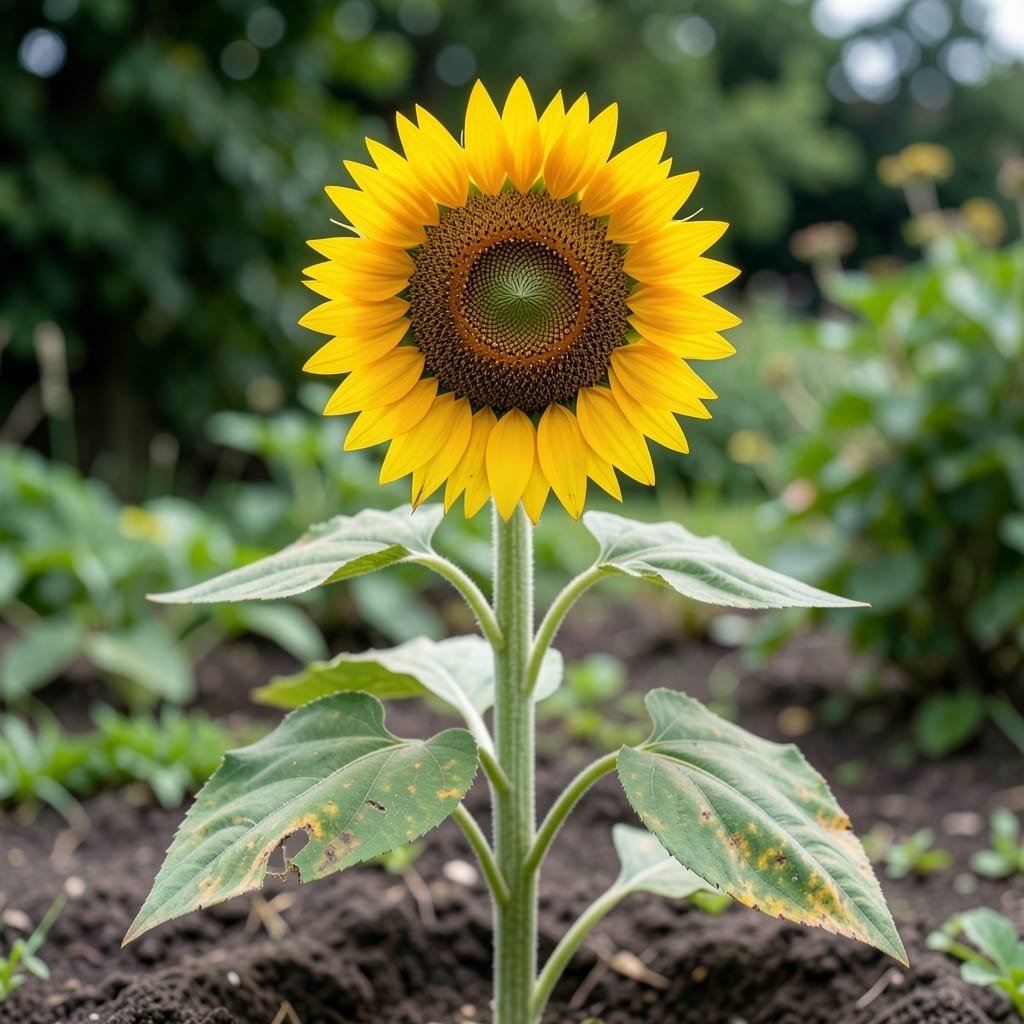
Yellowing edges or brown spots on your sunflowers aren’t just ugly—they’re SOS signals. I’ve nursed wilting giants back to health by catching these early warnings before the whole plant gives up. The fix often starts with checking the basics you might be overlooking.
Most dying leaves trace back to 3 common culprits: thirsty roots, hungry soil, or sneaky pests. Sunflowers drink more than you’d think, and one missed watering can spiral fast. Overwatering’s just as deadly, turning roots to mush.
Once you spot the pattern—crispy tips mean drought, black spots scream fungus—you can act fast. A little pruning, the right feed, or better drainage can turn things around in a week. Your sunflowers still have time to bounce back.
Don’t wait for the whole stalk to wilt. Early action saves the blooms and the seeds both.
Understanding why your sunflower leaves are wilting or dying starts with identifying the root causes. Here are the most common reasons, broken down for clarity and action:
Sunflowers thrive in well-draining soil. When roots sit in waterlogged soil, they suffocate and rot, cutting off nutrient and water uptake. This leads to yellowing leaves (chlorosis) and wilting. Check soil moisture 2 inches deep—if it’s soggy, reduce watering and improve drainage with compost or sand.
Sunflowers are heliotropic, meaning they need 6–8 hours of direct sunlight daily. Insufficient light disrupts photosynthesis, causing leaves to turn pale, weak, or brown at the edges. If your plants are shaded, relocate them or thin nearby foliage to maximize exposure.
Sap-sucking pests like aphids, spider mites, or whiteflies drain vital fluids from leaves, leaving stippled, curled, or blackened foliage. Inspect leaf undersides for tiny insects or webbing. Treat with neem oil or insecticidal soap at first signs.
Humid conditions invite fungal pathogens such as powdery mildew or downy mildew, which coat leaves in white or grayish growth. Overhead watering exacerbates this. Prevent spread by watering at the base, spacing plants for airflow, and removing infected leaves immediately.
A lack of nitrogen (pale leaves) or potassium (brown edges) can stunt growth. Conversely, excess fertilizer burns roots, mimicking drought stress. Test soil with a kit and amend with a balanced 10-10-10 fertilizer or organic compost as needed.
Sunflowers are hardy, but even they need a little help when their leaves start to wilt or yellow. Below are targeted fixes for common issues, along with prevention tips to keep your sunflowers thriving.
Fix: Let the soil dry out slightly between waterings. If the roots are waterlogged, improve drainage by amending the soil with compost or sand. For potted sunflowers, ensure the container has drainage holes.
Prevention: Water deeply but infrequently—once a week is often enough. Use a moisture meter to check soil conditions.
Fix: Give your sunflowers a thorough drink at the base (avoid wetting the leaves) and mulch around the stem to retain moisture. If heat is the culprit, provide afternoon shade with a cloth or nearby plants.
Prevention: Water early in the morning to reduce evaporation. In extreme heat, a light misting in the evening can help cool the leaves.
Fix: Spray leaves with a mild soap-and-water solution (1 tsp dish soap per quart of water) to deter aphids and beetles. For severe cases, use neem oil or insecticidal soap.
Prevention: Inspect leaves regularly for pests. Encourage natural predators like ladybugs by planting companion flowers nearby.
Fix: Yellowing leaves often signal a nitrogen deficiency. Apply a balanced, slow-release fertilizer (10-10-10) or work compost into the soil. For potassium deficiencies (brown leaf edges), use a banana peel tea or potassium-rich fertilizer.
Prevention: Test your soil annually and amend as needed. Avoid over-fertilizing, which can burn roots.
Fix: Remove infected leaves immediately to prevent spread. Treat with a copper-based fungicide or baking soda spray (1 tsp baking soda, 1 quart water, and a drop of dish soap).
Prevention: Space plants for airflow, water at the base, and avoid overhead watering. Rotate crops yearly if planting in the same spot.
With these steps, your sunflowers should bounce back in no time! 💡
Water deeply once a week, letting soil dry between waterings. Use your finger to check moisture 2 inches down. Adjust to twice weekly in extreme heat or sandy soil.
Brown edges usually signal underwatering or potassium deficiency. Check soil moisture first, then consider a potassium-rich fertilizer if the issue persists.
No, but new growth will be healthy if you fix the underlying issue. Remove yellow leaves to redirect energy to the rest of the plant.
Yes, a soap-water spray or neem oil works well for aphids and mites. Always test on a small area first and apply in the evening.