
Beautiful Plants For Your Interior
Beautiful Plants For Your Interior
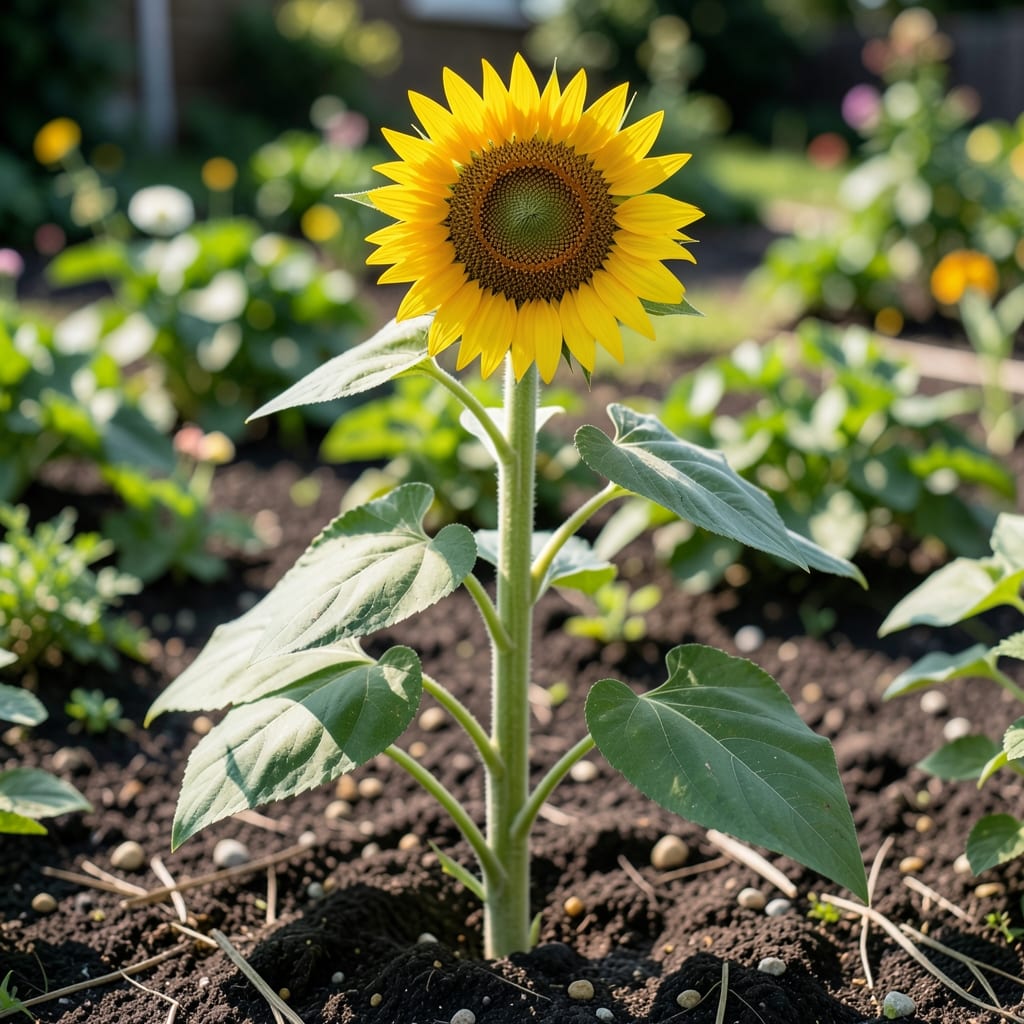
Nothing sinks your spirits like seeing those bright sunflowers suddenly look sad. I’ve been there—one morning they’re standing tall, the next their leaves are drooping like they’ve given up.
Here’s the thing—it’s usually not a death sentence. Most cases come down to 3 simple issues: too much or too little water, pests hiding under the leaves, or a funky soil problem. The fix is often faster than you think.
With the right diagnosis, you can have them perking back up within 24-48 hours. No fancy tools, just observation and a few organic tweaks to get them thriving again.
Works for container sunflowers too. Let’s figure out what’s really going on.
Sunflower leaves droop due to several environmental and biological stressors. Below are the most common causes, explained with actionable insights.
Sunflowers need consistent moisture but hate soggy roots. Underwatering causes leaves to wilt as cells lose turgor pressure. Overwatering, on the other hand, suffocates roots, preventing water uptake. Check soil moisture 2 inches deep—it should feel damp but not waterlogged.
Extreme temperatures disrupt cellular function. Heat stress (above 90°F) accelerates transpiration, leading to dehydration. Frost damages cell membranes, causing limp, blackened leaves. Provide afternoon shade in hot climates and cover plants if frost is forecasted.
Sap-sucking pests like aphids and spider mites drain fluids from leaves, causing wilting. Inspect the undersides of leaves for tiny insects or webbing. A strong blast of water or neem oil spray can control early infestations.
Pathogens such as downy mildew or bacterial leaf spot clog vascular tissues, impairing water transport. Look for yellowing, spots, or mold on leaves. Improve air circulation and avoid overhead watering to prevent spread.
A lack of potassium or magnesium weakens cell structure, leading to drooping. Yellowing between leaf veins (interveinal chlorosis) often signals magnesium deficiency. Amend soil with compost or a balanced organic fertilizer to restore nutrients.
If your sunflower leaves are drooping, don’t panic—most causes are fixable with a few simple steps. Below are targeted solutions for the most common issues, along with prevention tips to keep your sunflowers standing tall and bright. 🌻
If the soil is bone-dry, give your sunflower a deep watering at the base (avoid wetting the leaves). Water slowly to ensure it reaches the roots. For potted sunflowers, soak the pot in a shallow tray of water for 10–15 minutes. Prevention: Check soil moisture daily in hot weather—stick your finger 1–2 inches into the soil. If it feels dry, water thoroughly. A layer of mulch (straw or wood chips) helps retain moisture.
Stop watering immediately and let the soil dry out. If the roots are soggy or smelly (root rot), trim affected roots and repot in fresh, well-draining soil. Ensure your pot or garden bed has drainage holes. Prevention: Water only when the top inch of soil is dry. Use a moisture meter or the finger test to avoid guesswork.
Move potted sunflowers to a partially shaded spot during peak heat (12–4 PM). For garden plants, use shade cloth or plant taller crops nearby for natural shade. Increase watering frequency during heatwaves, but avoid overdoing it. Prevention: Mulch heavily and water early in the morning to reduce evaporation.
For aphids or spider mites, spray leaves with a mix of water and neem oil (1 tbsp oil per gallon of water). For fungal issues (like powdery mildew), remove infected leaves and apply a baking soda solution (1 tsp baking soda + 1 quart water + a few drops of dish soap). Prevention: Space plants 12–18 inches apart for airflow and avoid overhead watering.
Use a balanced, organic fertilizer (10-10-10) or compost tea to replenish nutrients. Yellowing leaves may signal nitrogen deficiency—add a nitrogen-rich amendment like blood meal. Prevention: Test soil annually and amend before planting. Side-dress with compost mid-season for a nutrient boost.
Pro Tip: 💡 Sunflowers are resilient! With quick action, most bounce back within a few days. Monitor leaves daily to catch issues early.
Water deeply when the top 1-2 inches of soil feel dry. In hot weather, this may mean daily watering. Always check soil moisture first to avoid overwatering.
Yes! With proper care, most sunflowers perk up within 24-48 hours. Address the root cause (water, pests, or nutrients) and monitor progress closely.
Look for tiny insects, webbing, or sticky residue on leaf undersides. Early infestations cause subtle wilting before becoming severe. Treat with neem oil immediately.
Always water in the early morning to reduce evaporation. Evening watering can promote fungal growth, especially in humid climates.