
Beautiful Plants For Your Interior
Beautiful Plants For Your Interior
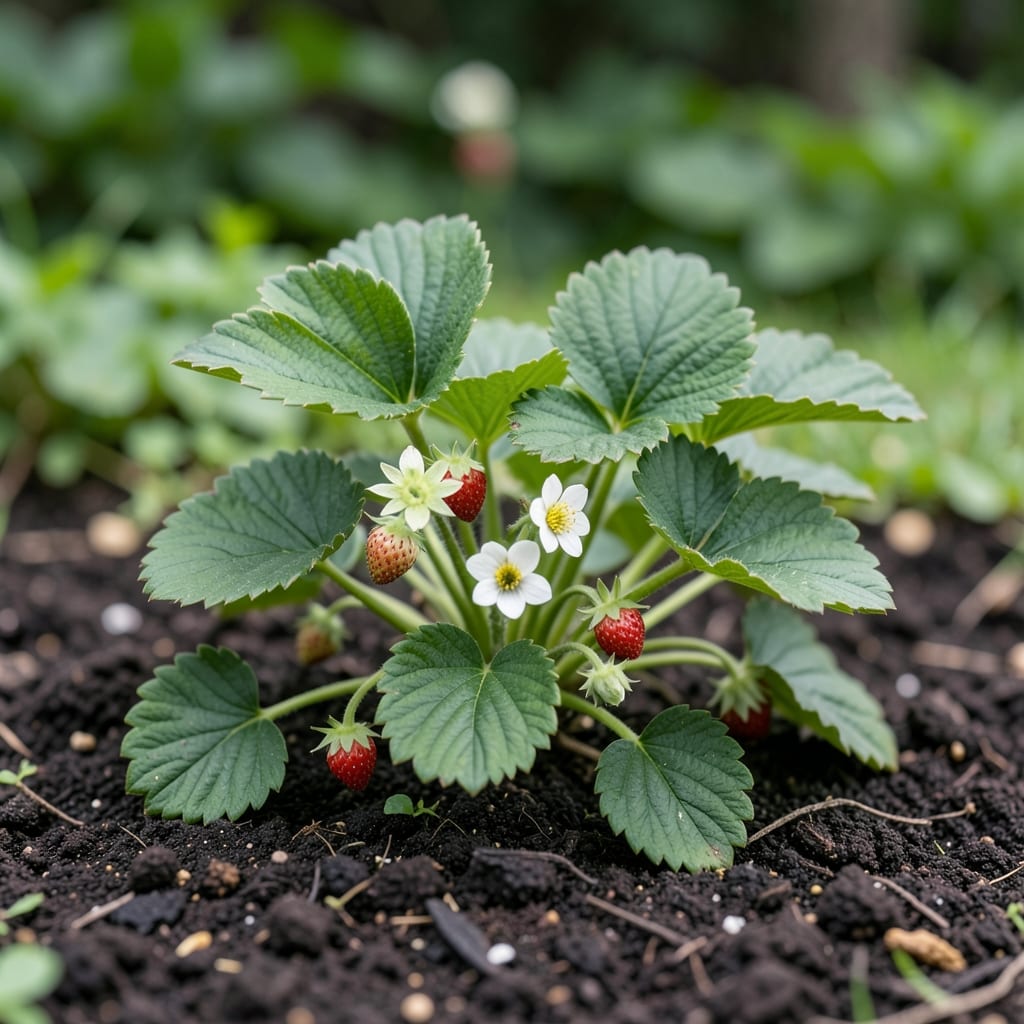
I noticed the first curled strawberry leaf on a Tuesday, and by Friday, half the bed looked like tiny green tacos. Not good.
Turns out, strawberry leaves curl for a handful of reasons—some fixable in 24 hours, others needing a season-long approach. We’ve seen it from spider mites, underwatering, even too much love with the watering can.
Here’s the thing—catch it early and you can reverse most cases. The plants bounce back fast when you address the root cause, whether it’s pests, stress, or a simple care tweak.
Works for patio pots, raised beds, or in-ground patches. Let’s figure out what your berries are trying to tell you.
Strawberry leaves curl upward for several distinct reasons, often tied to environmental stress or biological factors. Here’s why it happens:
Excessive heat or inconsistent watering triggers a survival response in strawberry plants. When soil moisture fluctuates—either too dry or waterlogged—the roots struggle to absorb water efficiently. This causes turgor pressure loss in leaf cells, leading to upward curling as the plant attempts to reduce surface area and minimize water loss through transpiration.
Aphids, spider mites, and thrips are common culprits. These pests feed on plant sap, depleting vital nutrients and disrupting cellular function. As they target new growth, the leaves react by curling to protect their undersides, where pests often gather. Check for sticky residue (honeydew) or webbing as telltale signs.
Pathogens like Powdery Mildew or Verticillium Wilt can cause leaf distortion, including curling. Fungal infections interfere with the plant’s vascular system, blocking water and nutrient transport. Infected leaves may also show yellowing, spotting, or a powdery coating alongside curling.
Even low concentrations of herbicides (e.g., 2,4-D) or improperly applied foliar sprays can induce hormonal imbalances in strawberry plants. This disrupts normal growth patterns, often resulting in twisted, cupped, or curled leaves. Always verify that any chemicals used are strawberry-safe and apply during calm weather to avoid drift.
A lack of essential nutrients—particularly magnesium, calcium, or potassium—can manifest as leaf curling. Magnesium deficiency, for instance, often causes interveinal chlorosis (yellowing between veins) paired with upward curling. Conduct a soil test to identify and correct imbalances with organic amendments like compost or wood ash.
Here’s how to tackle each cause and restore your strawberry plants to their lush, healthy state:
If the soil feels dry, water deeply at the base of the plant in the early morning to reduce evaporation. Apply a 2-3 inch layer of mulch (straw or shredded leaves) to retain moisture. For extreme heat, use shade cloth during peak afternoon hours. Prevention tip: 💡 Water consistently—strawberries need about 1-1.5 inches of water per week.
For aphids or spider mites, spray plants with a mix of 1 tsp neem oil + 1 quart water + a few drops of dish soap. Repeat every 5-7 days until pests are gone. Introduce beneficial insects like ladybugs or lacewings. Prevention tip: ✨ Inspect leaves weekly and keep the garden free of debris where pests hide.
Remove affected leaves immediately and avoid overhead watering. Apply copper fungicide or a baking soda spray (1 tbsp baking soda + 1 quart water + 1 tsp dish soap). Space plants 12-18 inches apart for better airflow. Prevention tip: 🎯 Rotate crops yearly and avoid planting strawberries in the same spot repeatedly.
Test soil pH (aim for 5.5-6.8). Amend with compost or a balanced organic fertilizer (10-10-10). For nitrogen deficiency, use fish emulsion; for potassium, add wood ash or banana peels. Prevention tip: 🌿 Feed plants every 4-6 weeks during the growing season.
Rinse the soil with water to leach out excess salts. Pause fertilizing for 2-3 weeks, then resume with a diluted solution. Prevention tip: 💡 Always follow package instructions—more isn’t always better!
Strawberries need consistent moisture—about 1-1.5 inches per week. Water deeply at the base in the morning, and adjust based on rainfall and heat. Mulch helps retain moisture.
Look for sticky residue (honeydew), webbing, or tiny bugs on leaf undersides. Aphids and spider mites cause leaves to curl as they feed on sap.
Yes! A baking soda spray (1 tbsp baking soda + 1 quart water + 1 tsp dish soap) works well for mild cases. Remove infected leaves first.
Test soil pH (ideal: 5.5-6.8). Yellowing between leaf veins often signals magnesium deficiency. Amend with compost or organic fertilizers.