
Beautiful Plants For Your Interior
Beautiful Plants For Your Interior
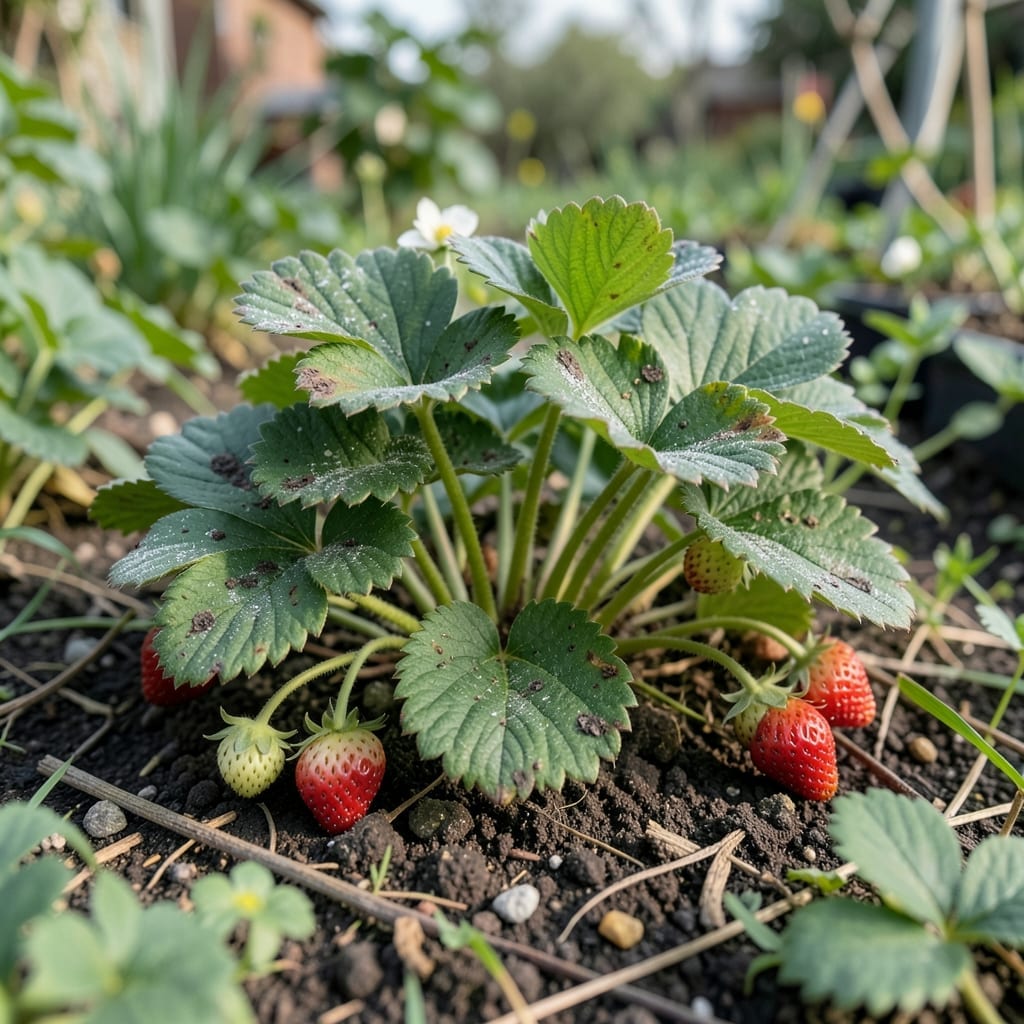
Spotted leaves on your strawberry plants last week weren’t from thirst. I’ve learned the hard way that white mold and leaf spot move fast in damp conditions, turning healthy patches into sad, spotted messes overnight.
Here’s the thing—most fungal issues start with too much moisture on leaves or poor air circulation. I fixed mine by adjusting watering to the base and spacing plants further apart. Simple changes, big impact on plant health.
You’ll catch problems early when you check the undersides of leaves regularly. Brown spots, white powder, or wilting mean it’s time to act before the whole plant suffers.
Works for garden beds, containers, or hanging baskets. Prevention beats treatment every time.
Fungal infections in strawberry plants thrive under specific conditions. Understanding the root causes helps you prevent outbreaks before they start.
Fungi like Botrytis cinerea (gray mold) and Phytophthora species flourish in damp environments. Overwatering, heavy clay soil, or poor drainage creates stagnant water around roots, encouraging spore growth. Action: Use raised beds or amend soil with compost to improve drainage.
Warm (70–85°F), humid conditions accelerate fungal spread. Dense plant spacing reduces airflow, trapping moisture on leaves. Action: Space plants 12–18 inches apart and prune excess foliage to boost ventilation.
Fungal spores overwinter in dead leaves, fruit remnants, or old mulch. Anthracnose and powdery mildew often recur from contaminated debris. Action: Remove and burn (or trash) infected material—do not compost it.
Pruners, shovels, or even potting mix can harbor spores like Verticillium. Reusing tools without sterilization spreads pathogens between plants. Action: Disinfect tools with 10% bleach solution or rubbing alcohol between uses.
Tackling fungus on your strawberry plants starts with identifying the issue and applying the right fix. Here’s how to address common fungal problems and prevent them from coming back.
If you notice white, powdery spots on leaves, act fast. Remove and destroy infected leaves to stop the spread. Spray the plant with a mix of 1 tablespoon baking soda, 1 quart water, and a few drops of dish soap. Apply weekly until the issue clears. Prevention tip: 💡 Space plants properly for airflow and water at the base to keep leaves dry.
Gray, fuzzy mold on berries or leaves? Prune affected areas immediately and dispose of them in the trash (not compost). Use a copper-based fungicide for severe cases. Prevention tip: ✨ Avoid overhead watering and remove ripe berries promptly to reduce moisture buildup.
Dark spots with yellow halos? Trim infected leaves and apply neem oil or a sulfur-based fungicide. Prevention tip: 🌡️ Rotate crops yearly and mulch with straw to prevent spores from splashing onto leaves.
Wilting or yellowing plants with soggy soil? Stop watering and improve drainage by adding compost or sand. For severe cases, remove and replace the soil. Prevention tip: 🎯 Plant in raised beds and ensure containers have drainage holes.
Consistency is key—check plants weekly and act at the first sign of trouble!
Look for white powdery spots, gray fuzzy growth, or dark lesions on leaves. Yellowing or wilting may also appear. Check undersides of leaves weekly for early detection.
Remove and destroy infected leaves immediately. Avoid composting them. Then apply a baking soda spray or copper fungicide to healthy parts.
If caught early, stop watering and improve drainage with compost. For severe cases, remove the plant and replace the soil.
Neem oil works well for powdery mildew and leaf spot. For gray mold or root rot, copper fungicides or soil treatments are more effective.