
Beautiful Plants For Your Interior
Beautiful Plants For Your Interior
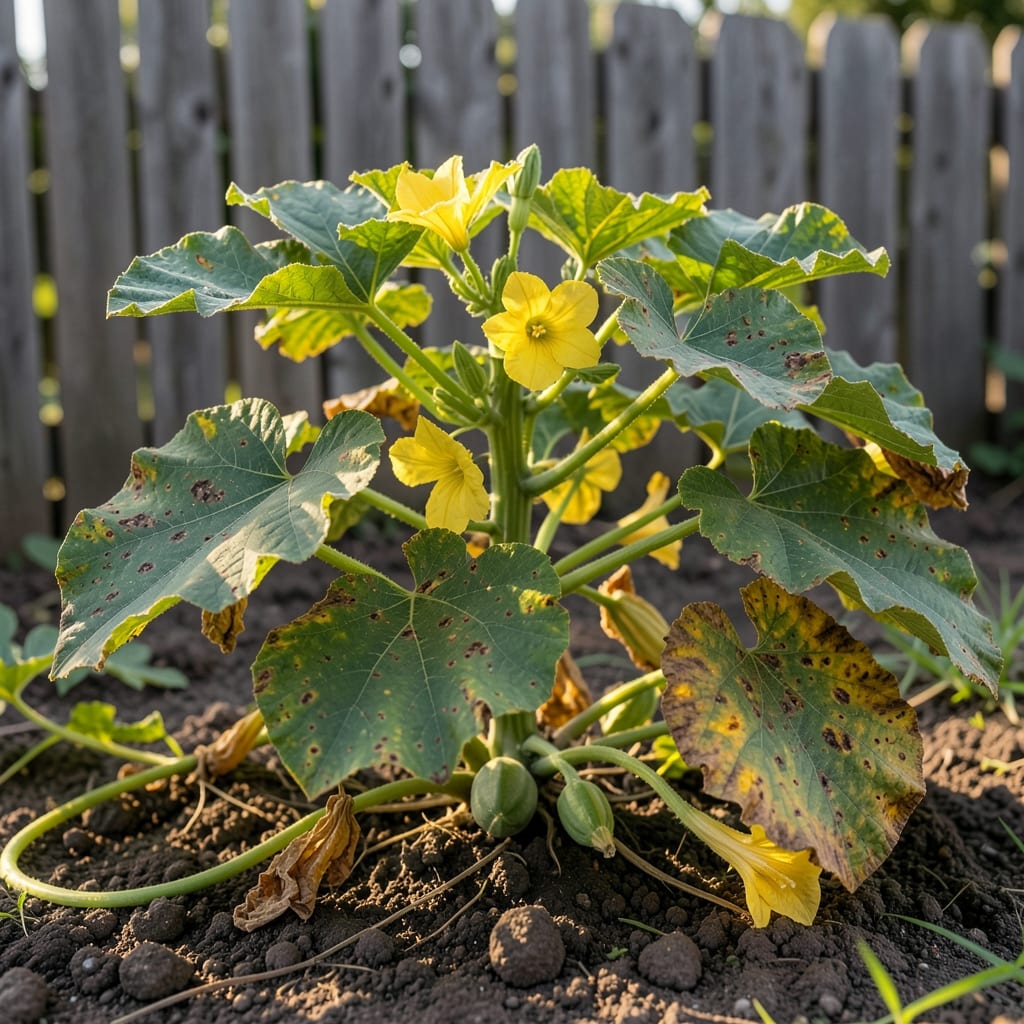
Three weeks into the growing season, my squash leaves started looking like lace. This silent killer spreads fast, but catching it early makes all the difference.
I learned the hard way that yellow spots and brown edges aren’t just ugly—they’re warning signs. The disease thrives in wet, cool conditions, so morning inspections after rain are crucial.
Organic treatments like copper sprays and baking soda solutions work, but prevention is your best defense. Space plants properly, rotate crops, and remove infected leaves immediately.
Even resistant varieties benefit from vigilance. With the right approach, you can save your harvest and keep healthy plants producing all season long.
Squash plant blight is often the result of environmental conditions and pathogens working together. Understanding the root causes helps you prevent and manage outbreaks effectively.
Blight in squash plants is primarily caused by fungal organisms like Phytophthora infestans or Alternaria solani. These fungi thrive in warm, wet conditions, spreading rapidly through spores carried by wind, water, or contaminated tools. Overhead watering and poor air circulation create the perfect breeding ground for these pathogens.
Prolonged leaf wetness—from rain, dew, or improper irrigation—accelerates fungal growth. Squash leaves that stay damp for 6+ hours are highly susceptible. Drip irrigation and proper spacing between plants can reduce moisture buildup on foliage.
Blight flourishes in temperatures between 70–80°F (21–27°C) with high humidity. Sudden temperature swings or heat stress can weaken plants, making them more vulnerable to infection. Mulching helps regulate soil temperature and retain moisture without over-saturating leaves.
Compacted or nutrient-deficient soil stresses squash plants, lowering their natural defenses. Over-fertilization, especially with nitrogen, can promote lush but weak growth that’s more prone to disease. Balanced compost and crop rotation improve soil structure and microbial diversity, which suppress pathogenic fungi.
Tackling blight on your squash plants starts with identifying the cause and applying targeted fixes. Here’s how to address common issues and prevent future outbreaks:
Fix: Remove infected leaves immediately and treat the plant with a neem oil or baking soda spray (1 tsp baking soda + 1 quart water + a few drops of soap). Apply every 5–7 days until symptoms fade.
Prevention: Improve airflow by spacing plants 2–3 feet apart. Water at the base in the morning so leaves dry quickly. 💡 Pro tip: Mulch with straw to reduce soil-borne spores splashing onto leaves.
Fix: Prune affected leaves and destroy them (do not compost). Spray plants with a copper-based fungicide or a hydrogen peroxide solution (1 tbsp 3% H₂O₂ per gallon of water) weekly.
Prevention: Rotate crops yearly and avoid overhead watering. Disinfect garden tools with rubbing alcohol between uses. ✨ Bonus: Plant resistant varieties like ‘Buttercup’ or ‘Sweet REBA’.
Fix: Blast pests off with water or apply insecticidal soap. For severe infestations, introduce beneficial insects like ladybugs.
Prevention: Use row covers early in the season. Companion plant with nasturtiums or marigolds to deter pests. 🎯 Key: Inspect plants weekly for eggs or chewed leaves.
Fix: Amend soil with compost or well-rotted manure to boost nutrients. Test soil pH (aim for 6.0–6.8) and adjust with lime or sulfur if needed.
Prevention: Practice crop rotation and avoid planting squash in the same spot more than once every 3 years. 🌡️
Look for yellow or brown spots on leaves, often with a water-soaked appearance. Leaves may curl or develop a white, powdery coating. Act fast—early signs appear on lower leaves first.
Mild cases can bounce back with treatment and improved care. Remove infected leaves, apply organic fungicides like neem oil, and ensure good airflow. Severe cases may require removal to protect other plants.
Space plants 2-3 feet apart, water at the base, and rotate crops yearly. Use mulch to reduce soil splash and keep foliage dry. Resistant varieties like ‘Buttercup’ help too.
Yes! Overhead watering wets leaves, creating perfect conditions for fungal growth. Use drip irrigation or soaker hoses to target roots and keep leaves dry.