
Beautiful Plants For Your Interior
Beautiful Plants For Your Interior
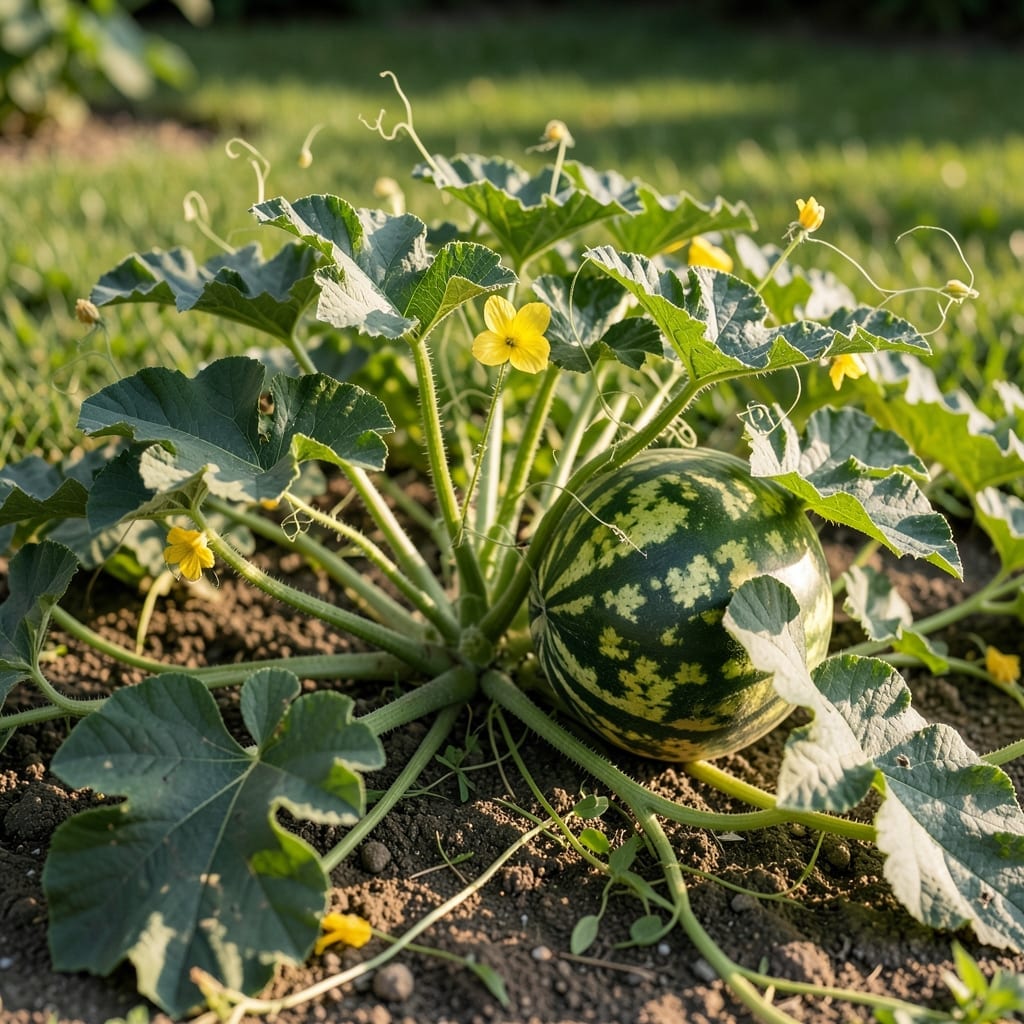
Those first bright green sprouts mean your yellow watermelon is off to a strong start. I’ve learned the hard way that early growth needs the right balance of warmth, moisture, and light to avoid stunting or yellowing.
Yellow watermelons often sprout faster than traditional varieties, but they’re just as picky about soil. A well-draining mix with compost gives them the nutrients they need without waterlogging tender roots.
Once sprouts reach 2-3 inches, they’re ready for careful transplanting. The key is hardening them off first—too much sun too soon can shock even the toughest seedlings.
With the right start, you’ll see vines spreading and the first yellow blooms in 6-8 weeks. That’s when the real magic begins.
Yellowing sprouts in watermelon plants can signal underlying issues that disrupt normal growth. Below are the most common causes, explained with actionable insights.
Nitrogen or magnesium deficiencies often cause yellowing in young watermelon sprouts. Nitrogen supports leaf development, while magnesium is vital for chlorophyll production. A soil test can confirm imbalances. Apply a balanced organic fertilizer (e.g., compost tea or fish emulsion) to restore nutrients.
Excess water suffocates roots, preventing oxygen uptake and leading to yellow, wilted sprouts. Watermelon roots need consistent moisture but not waterlogging. Ensure pots or garden beds have drainage holes, and water only when the top inch of soil feels dry.
Watermelon sprouts require 6–8 hours of direct sunlight daily. Insufficient light disrupts photosynthesis, causing pale or yellow leaves. Move seedlings to a sunnier spot or use grow lights (12–16 hours/day) for indoor starts.
Pathogens like Fusarium or Alternaria can yellow sprouts by damaging vascular tissues. Prevent infections by rotating crops, avoiding overhead watering, and treating soil with neem oil or compost tea. Remove infected plants immediately to stop spread.
Watermelons thrive in warm soil (70–80°F). Cold snaps or chilly soil (below 50°F) shock sprouts, halting chlorophyll production. Use black plastic mulch to warm soil or start seeds indoors in cooler climates.
When your watermelon sprouts turn yellow, quick action can save your crop. Below are targeted solutions for the most common causes, along with simple prevention tips to keep your plants thriving.
Yellowing often signals a lack of nitrogen or iron. Fix it by applying a balanced, organic fertilizer (10-10-10) or a nitrogen-rich amendment like compost tea. For iron deficiencies, use chelated iron or work compost into the soil. Prevention tip 💡: Test your soil before planting and amend it with organic matter to ensure nutrient availability.
Too much water can suffocate roots, leading to yellow sprouts. Fix it by reducing watering frequency and ensuring your soil drains well. If the soil is soggy, improve drainage by mixing in perlite or sand. Prevention tip 🌡️: Water deeply but infrequently—once or twice a week—and use mulch to retain moisture without waterlogging.
Watermelons need full sun (6-8 hours daily). Fix it by relocating seedlings to a sunnier spot or thinning nearby plants that cast shade. Prevention tip ☀️: Choose a planting site with maximum sun exposure and avoid overcrowding.
Aphids, spider mites, or fungal infections like powdery mildew can stress sprouts, turning them yellow. Fix it with neem oil or insecticidal soap for pests, and copper-based fungicides for diseases. Prevention tip ✨: Encourage beneficial insects (like ladybugs) and maintain good air circulation around plants.
If yellowing appears after transplanting, the sprouts may be stressed. Fix it by keeping the soil consistently moist (not soggy) and providing shade for a few days to ease the transition. Prevention tip 🎯: Harden off seedlings gradually before transplanting to reduce shock.
Under ideal conditions, sprouts emerge in 5-10 days after planting. Keep soil consistently warm (70-80°F) and moist to speed up germination. Cooler temperatures may delay sprouting by a week or more.
Yes, start indoors 3-4 weeks before the last frost using grow lights. Ensure seedlings get 12-16 hours of light daily and maintain warm soil. Harden off before transplanting outdoors.
Wilting can signal root stress from overwatering or poor drainage. Check soil moisture—it should feel damp but not soggy. Ensure containers have drainage holes to prevent waterlogging.
Thin seedlings when they reach 2-3 inches tall, leaving the strongest sprout per hill. Space hills 3-4 feet apart to allow room for vines to spread.