
Beautiful Plants For Your Interior
Beautiful Plants For Your Interior
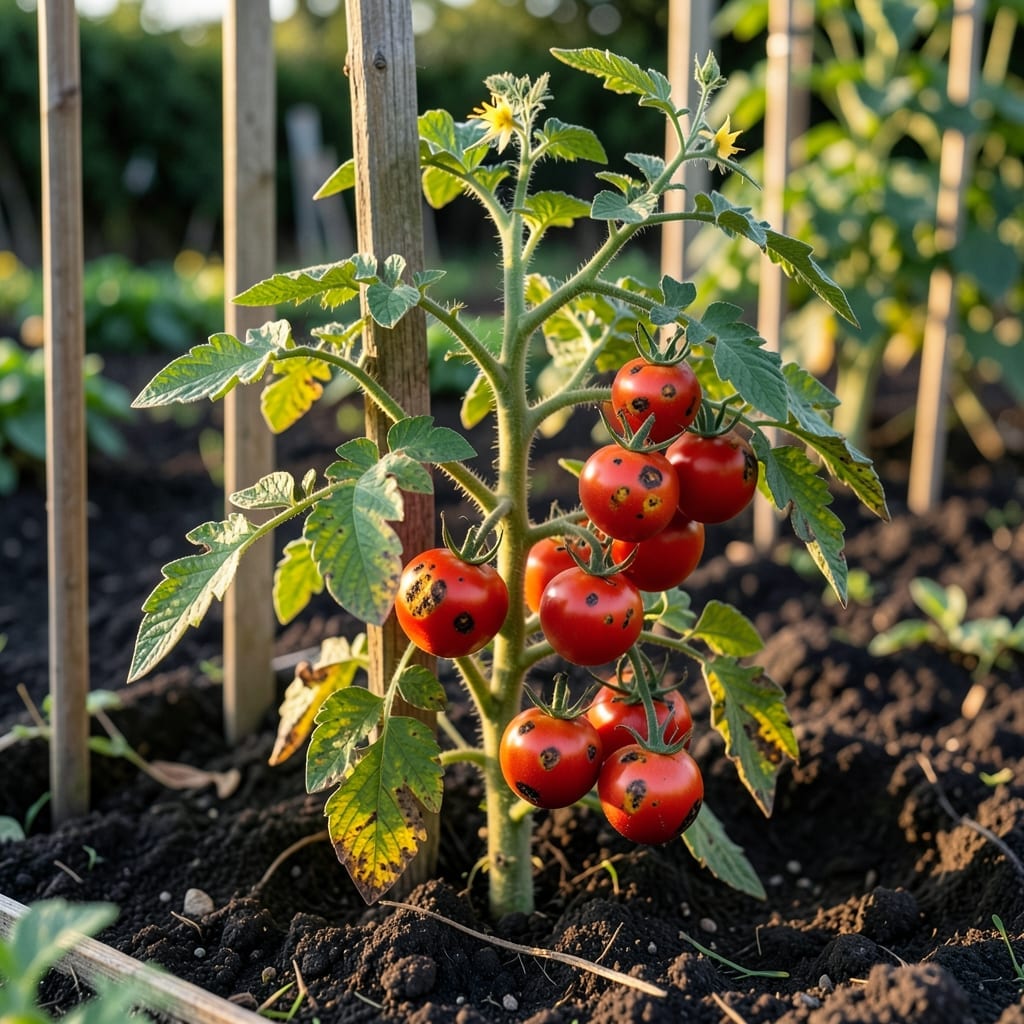
Those brown spots on your tomatoes aren’t just ugly—they’re a warning sign. I’ve lost entire crops to early septoria and blight by ignoring the first yellow halos.
Most gardeners blame bugs, but 90% of tomato spots come from fungal diseases or environmental stress. The good news? Catching them early means organic cures actually work.
You’ll learn to tell the difference between disease spots and stress spots, and more importantly, how to stop both from spreading.
Works for container plants, raised beds, or in-ground gardens. No chemicals required.
Spots on tomatoes often signal underlying issues that disrupt the plant’s health. Below are the most common causes, explained with actionable insights.
Fungi like Alternaria solani (early blight) or Phytophthora infestans (late blight) thrive in warm, moist conditions. These pathogens produce spores that land on leaves, creating dark, concentric spots. Overhead watering and poor air circulation accelerate their spread. Action: Remove infected foliage, improve airflow, and apply copper-based fungicides preventatively.
Bacteria such as Pseudomonas syringae cause small, water-soaked spots that turn brown or black. They enter through wounds or natural openings, often spread by splashing water or contaminated tools. Action: Avoid working with wet plants, disinfect tools, and use bacterial sprays like Bacillus subtilis.
Insects like aphids, whiteflies, or spider mites pierce plant tissues, leaving behind stippled or discolored spots. Their feeding also introduces viruses (e.g., tomato yellow leaf curl) that manifest as mottled or chlorotic patches. Action: Introduce beneficial insects (e.g., ladybugs) or apply neem oil to deter pests.
Extreme heat, cold snaps, or inconsistent watering can cause physiological spots, such as blossom end rot (calcium deficiency) or sunscald (white, papery patches). These are non-pathogenic but weaken the plant. Action: Maintain consistent moisture, use mulch to regulate soil temperature, and ensure balanced nutrition.
Lack of essential nutrients like magnesium (yellow spots between leaf veins) or potassium (brown edges on leaves) disrupts cellular function. A soil test can confirm deficiencies. Action: Amend soil with organic compost or targeted fertilizers (e.g., Epsom salt for magnesium).
Spotty tomatoes can often be saved with the right approach. Below are targeted fixes for common causes, along with prevention tips to keep your plants healthy long-term.
Mix 1 tsp baking soda + 1 quart water + a few drops of dish soap and spray affected leaves weekly. Remove heavily spotted foliage to stop the spread. Prevention: Space plants for airflow and avoid overhead watering.
Blast aphids or whiteflies off with water, then apply neem oil or insecticidal soap. Introduce beneficial insects like ladybugs. Prevention: Inspect plants regularly and use row covers early in the season.
For sunscald, add shade cloth during peak heat. If spots stem from inconsistent watering, mulch to retain moisture. Prevention: Water deeply in the morning and maintain even soil moisture.
Yellow spots? Test soil pH (aim for 6.0–6.8). Amend with compost or a balanced organic fertilizer. Prevention: Feed plants monthly during growing season.
Pro Tip 💡: Always sterilize pruning tools between cuts to avoid spreading pathogens. Early action is key—treat at the first sign of spots!
Yes, with prompt treatment! Remove affected leaves and apply organic fungicides or pest controls. New growth will emerge spot-free if the underlying issue is resolved.
Improve airflow by pruning and spacing plants 2-3 feet apart. Water at the base to keep foliage dry, and avoid working with wet plants.
Not always! Brown spots can also result from sunscald, inconsistent watering, or nutrient deficiencies. Check for patterns—disease spots often have concentric rings.
For fungal issues, a baking soda spray (1 tsp per quart) works within days. For pests, neem oil or insecticidal soap provides quick relief.