
Beautiful Plants For Your Interior
Beautiful Plants For Your Interior
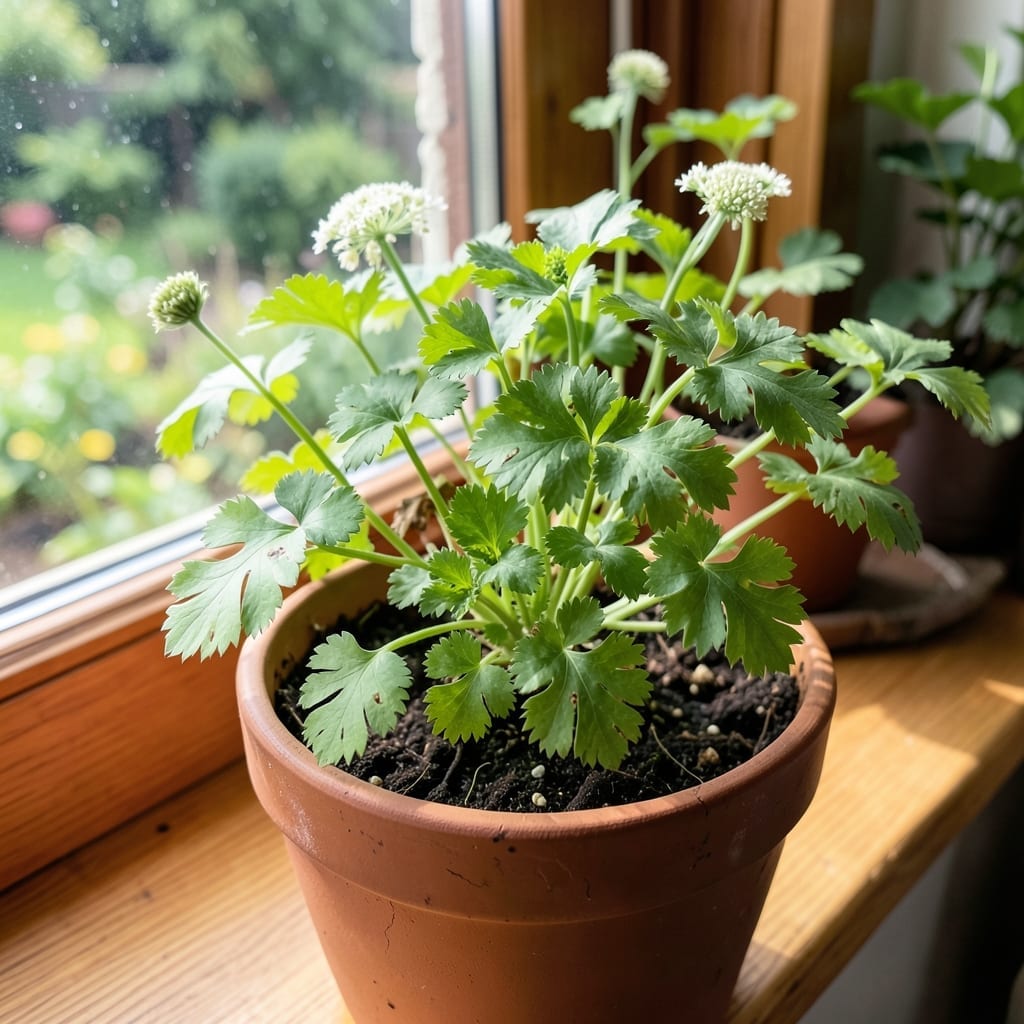
Spots on cilantro leaves always feel like a personal attack. I’ve lost entire patches overnight before realizing the culprit wasn’t bad luck—it was preventable stress or disease.
Most cases come down to three things: too much water, not enough airflow, or uninvited pests. The good news? Fixing it often takes one afternoon and a few household items.
You’ll see new growth within a week once conditions improve. The key is catching it early—yellow halos around spots usually mean fungus, while tiny black dots scream pests.
Works for container gardens, raised beds, or in-ground plots. Here’s how to diagnose and treat it fast.
Spots on cilantro can stem from various environmental, fungal, or bacterial factors. Below are the most common causes, explained simply but scientifically.
Fungi like Cercospora or Alternaria thrive in warm, humid conditions. They produce spores that land on cilantro leaves, creating dark or yellowish spots. Overhead watering and poor air circulation worsen the issue. Action: Reduce moisture on leaves and improve ventilation.
Bacteria such as Pseudomonas syringae cause water-soaked, irregular spots that later turn brown or black. These pathogens spread via splashing water or contaminated tools. Action: Avoid working with wet plants and disinfect gardening tools.
Insects like aphids or spider mites pierce cilantro leaves, leaving behind small wounds that develop into discolored spots. Their feeding also promotes secondary infections. Action: Inspect leaves regularly and use natural pest controls like neem oil.
Extreme heat, cold, or nutrient deficiencies (e.g., calcium or magnesium) can cause spotting. For example, tip burn from calcium deficiency appears as brown, necrotic spots. Action: Maintain consistent growing conditions and ensure balanced soil nutrition.
Spots on cilantro can be frustrating, but most issues are fixable with the right approach. Below are practical solutions for common causes, along with prevention tips to keep your cilantro healthy and vibrant.
Fix: Remove infected leaves immediately to prevent spread. Spray the plant with a baking soda solution (1 tsp baking soda + 1 quart water + a few drops of dish soap) or neem oil every 7–10 days. Ensure good air circulation by spacing plants 6–8 inches apart.
Prevention: Water at the base (not the leaves) early in the day so foliage dries quickly. Avoid overcrowding and rotate crops yearly.
Fix: Blast pests off with a strong stream of water. Apply insecticidal soap or introduce beneficial insects like ladybugs. For severe infestations, use a garlic-chili spray (blend 2 garlic cloves, 1 chili, and 1 liter of water; strain and spray).
Prevention: Inspect plants regularly, especially the undersides of leaves. Companion plant with marigolds or basil to deter pests naturally.
Fix: Stop watering immediately and let the soil dry out. If root rot is suspected, trim affected roots and repot in fresh, well-draining soil. Use containers with drainage holes if growing in pots.
Prevention: Water only when the top inch of soil is dry. Use a moisture meter or the finger test to check soil dampness. Mix in perlite or sand to improve drainage.
Fix: Move potted cilantro to a shadier spot or provide afternoon shade with a shade cloth. For in-ground plants, mulch around the base to retain moisture and cool the soil.
Prevention: Plant cilantro in partial shade (4–6 hours of morning sun) in hot climates. Keep soil consistently moist to help plants cope with heat.
💡 Pro Tip: Harvest cilantro leaves regularly to encourage new growth and reduce stress, making the plant less susceptible to spots and diseases!
Fungal spots often have yellow halos or fuzzy growth, while pest damage looks like tiny bites or stippling. Check leaf undersides for insects or webbing to confirm pests.
Yes, remove spotted leaves immediately to prevent spread. Use clean scissors and dispose of leaves in the trash, not compost. This works for both fungal and pest issues.
Only if the spots are minor and caused by environmental stress. Avoid eating leaves with fungal/bacterial spots or pest damage. When in doubt, discard affected foliage.
Spray every 7-10 days as a preventative, or every 5 days if treating an active infestation. Always apply in the evening to avoid leaf burn.