
Beautiful Plants For Your Interior
Beautiful Plants For Your Interior
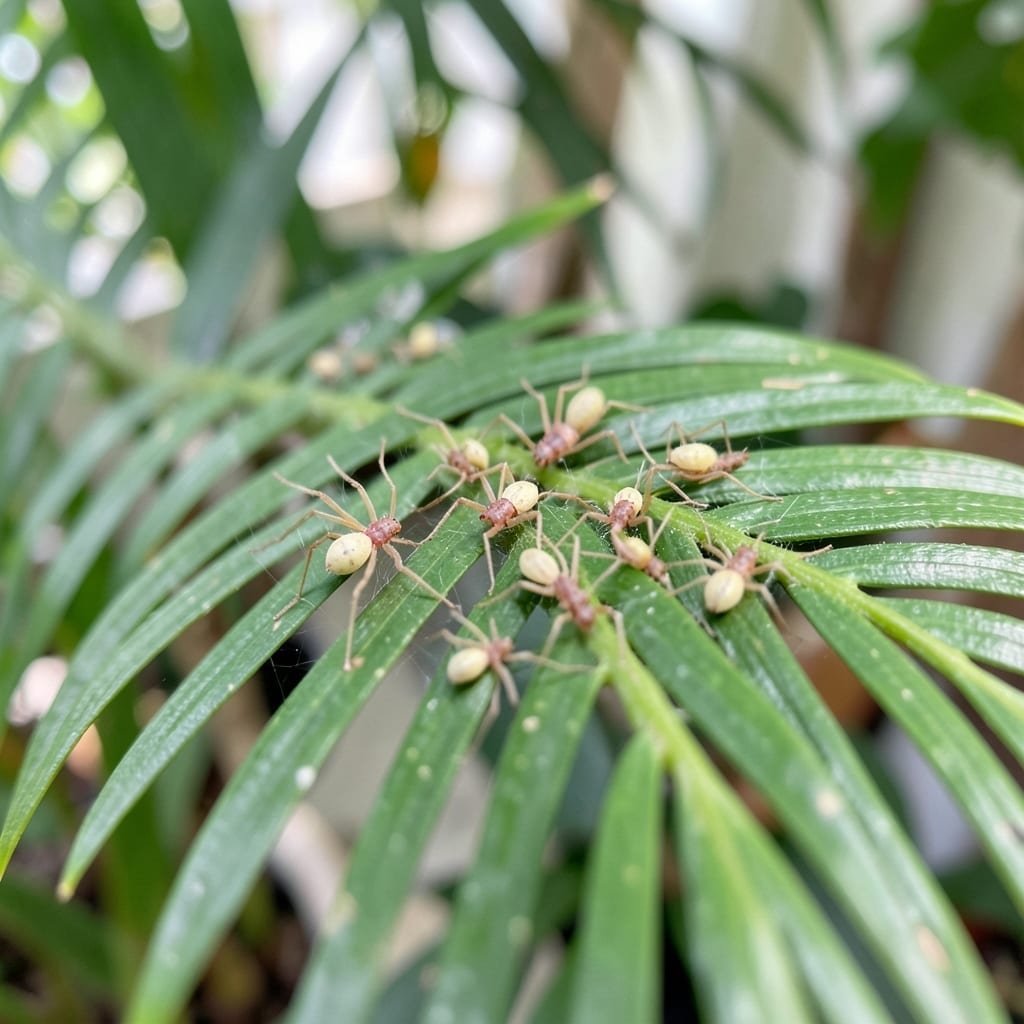
Tiny webs on your majesty palm aren’t decoration. I spotted them last summer on mine—fine silk threads between fronds, with leaves turning yellow and crisp. Spider mites move fast, but early action saves the plant.
They thrive in dry air, so indoor heating season is prime time. The damage looks like drought stress at first, but the webbing gives them away. I lost two fronds before realizing what was happening.
Non-toxic solutions work best here. A strong spray of water dislodges them, and neem oil smothers what’s left. Consistency beats them for good.
Your palm can recover with vigilance. Check undersides of leaves weekly, and keep humidity up. Lush growth returns once they’re gone.
Spider mites thrive on majesty palms due to a mix of environmental and care-related factors. Understanding these triggers helps prevent future outbreaks. Below are the most common causes, explained with actionable insights.
Majesty palms (Ravenea rivularis) are tropical plants that require 40-60% humidity to stay healthy. Dry indoor air—especially from heating or air conditioning—creates ideal conditions for spider mites, which proliferate in arid environments. These pests extract sap from the leaves, weakening the plant and leaving telltale stippling damage.
Over- or under-watering stresses the palm, making it more susceptible to infestations. Drought-stressed plants produce weaker cell walls, which mites penetrate more easily. Conversely, overwatering can lead to root rot, reducing the plant’s ability to defend itself. Aim for consistent moisture without waterlogging the soil.
Stagnant air allows spider mites to settle and multiply undisturbed. Majesty palms in crowded spaces or corners with little airflow are prime targets. Gentle air movement (e.g., from a ceiling fan or open window) disrupts mite colonization and keeps leaves dry, reducing their appeal as a habitat.
Dusty leaves block sunlight and create microclimates that attract mites. Regularly wiping leaves with a damp cloth removes dust and disrupts early infestations. This also improves the plant’s photosynthesis efficiency, boosting its natural defenses.
Spider mites on your majesty palm can be stubborn, but these targeted fixes will restore your plant’s health without harsh chemicals. Here’s how to tackle each cause and prevent future outbreaks.
Spider mites thrive in dry air. Mist your palm daily with room-temperature water, focusing on the undersides of leaves where mites hide. For a long-term fix, place a pebble tray with water beneath the pot or use a humidifier nearby. Grouping plants together also boosts local humidity.
Dusty foliage gives mites the perfect hiding spot. Wipe leaves weekly with a damp cloth or give your palm a gentle shower in the sink or bathtub. For severe dust buildup, use a soft-bristle brush to dislodge debris before rinsing.
Poor air circulation invites pests. Space your plants at least 2–3 feet apart to allow airflow. If your palm sits in a dense cluster, relocate it to a breezier spot or use a small fan on low to keep air moving. Prune any overly dense fronds to reduce hiding spots.
Consistency is key—stick to these habits, and your majesty palm will stay mite-free and vibrant!
Inspect the undersides of leaves weekly, especially during dry months. Early detection means easier control before they multiply.
Yes, a 1 tsp dish soap per 1 liter water spray works as a mild treatment. Apply to leaves, focusing on undersides, and rinse after 10 minutes.
They return due to dry air or missed eggs. Boost humidity to 40-60% and repeat treatments every 5-7 days to break their life cycle.
Mix 1 tsp neem oil with 1 tsp dish soap per liter of water. Spray in the evening to avoid leaf burn.