
Beautiful Plants For Your Interior
Beautiful Plants For Your Interior
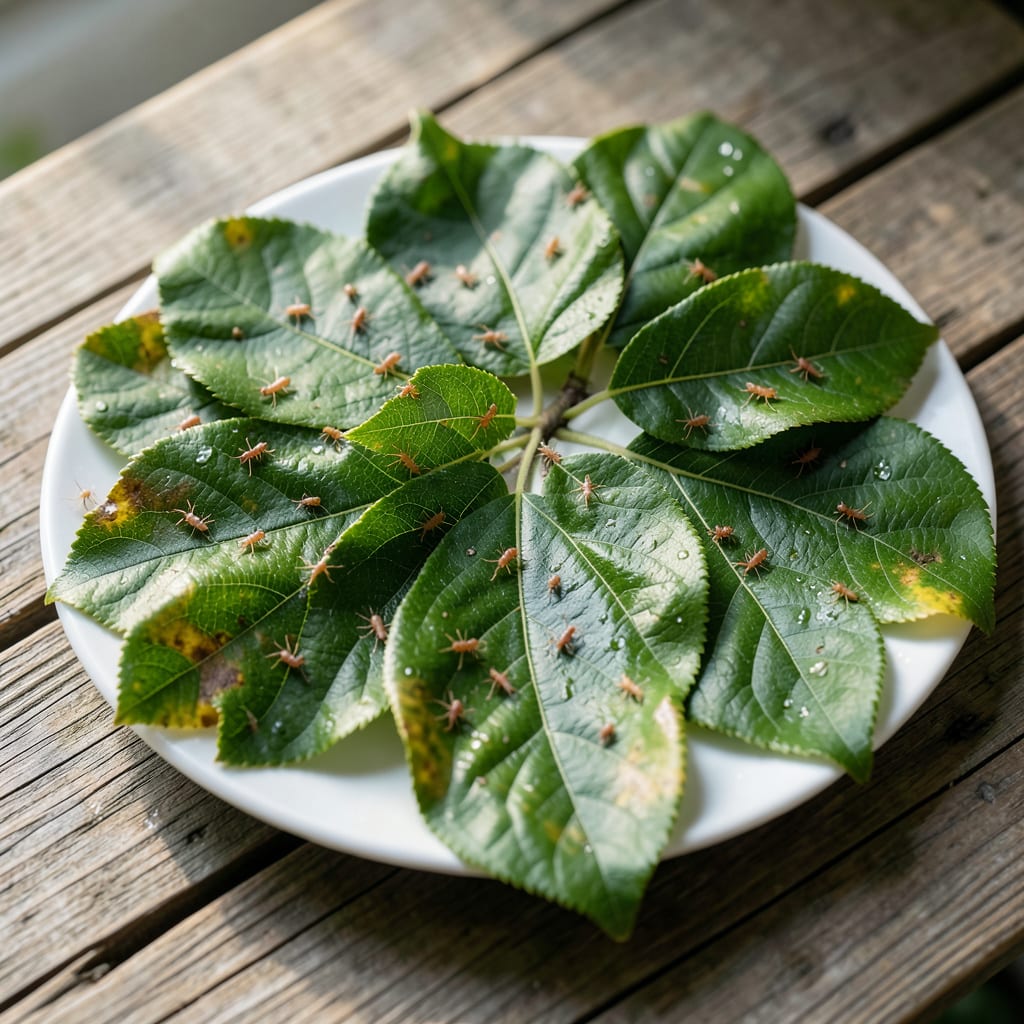
Tiny specks moving on apple leaves usually mean trouble. I’ve battled mite infestations that turned healthy foliage into crispy shells in 2 weeks. The first sign is often a faint webbing or bronze discoloration on the undersides.
These pests thrive in hot, dry conditions and can spread fast if left unchecked. The good news? Natural solutions like neem oil or insecticidal soap work surprisingly well when applied at the right time. I’ve saved multiple trees with just a spray bottle and persistence.
Prevention starts with healthy trees and regular inspections. A strong blast of water can dislodge mites before they establish. Keep your apples stress-free with proper watering and they’ll resist infestations better.
Works for organic and conventional growers alike. Early action is everything with these pests.
Mites thrive on apple leaves when specific conditions align. Understanding these causes helps you prevent and control outbreaks effectively.
Spider mites, like the Tetranychus urticae (two-spotted spider mite), reproduce rapidly in high temperatures (80–90°F) and low humidity. Dry conditions accelerate their life cycle, allowing populations to explode in as little as 5–7 days. Apple trees under drought stress are especially vulnerable.
Chemicals like pyrethroids or neonicotinoids kill beneficial predators (e.g., ladybugs, lacewings) that naturally keep mite numbers in check. Without these allies, mites face no resistance and multiply unchecked. Always opt for selective pesticides or organic alternatives.
Weak or nutrient-deficient apple trees are more susceptible to mite damage. Over-fertilization with high-nitrogen blends promotes lush, soft foliage—a mite favorite. Balance soil nutrients and ensure proper irrigation to strengthen tree resilience.
Dust on leaves (from soil, pollen, or road debris) clogs stomata, stressing the tree and creating microhabitats for mites. Regularly wash foliage with water sprays to dislodge dust and deter early infestations.
Monoculture orchards (apple trees only) lack natural predators. Introducing companion plants like yarrow or dill attracts predatory insects (e.g., Phytoseiulus persimilis), which feed on mites and restore ecological balance.
Dealing with mites on your apple trees? Here’s how to tackle the issue based on the root cause, along with tips to keep them from coming back.
If mites have taken over, start by pruning heavily infested leaves and branches. Seal and dispose of them to prevent the mites from spreading. Follow up with a horticultural oil or insecticidal soap spray, focusing on the undersides of leaves where mites hide. Reapply every 5–7 days until the problem is under control.
Mites thrive in dry conditions. Water your apple tree deeply at the base to maintain soil moisture, and consider using a mulch layer to retain moisture. A fine mist spray on the leaves in the early morning can also deter mites by increasing humidity.
A stressed tree is more vulnerable to mites. Fertilize with a balanced, organic option to improve overall health. Ensure your tree gets full sunlight and good air circulation—prune nearby plants if needed. Healthy trees can better resist and recover from mite attacks.
With consistent care and these targeted solutions, you can protect your apple tree and enjoy healthy, mite-free leaves! 🌿
Check the undersides of leaves for tiny red, yellow, or brown specks and fine webbing. A magnifying glass helps spot these pests early. Bronze or stippled leaves are another telltale sign.
Yes, but use mild insecticidal soap (not dish soap). Mix 1 tablespoon per quart of water and spray leaf undersides. Avoid harsh soaps that can damage foliage.
Apply treatments in the early morning or late evening when temperatures are below 85°F. Avoid spraying during peak heat to prevent leaf burn.
They might if conditions remain favorable. Repeat applications every 5–7 days and address root causes like drought stress or lack of predators. Consistency is key.
