
Beautiful Plants For Your Interior
Beautiful Plants For Your Interior
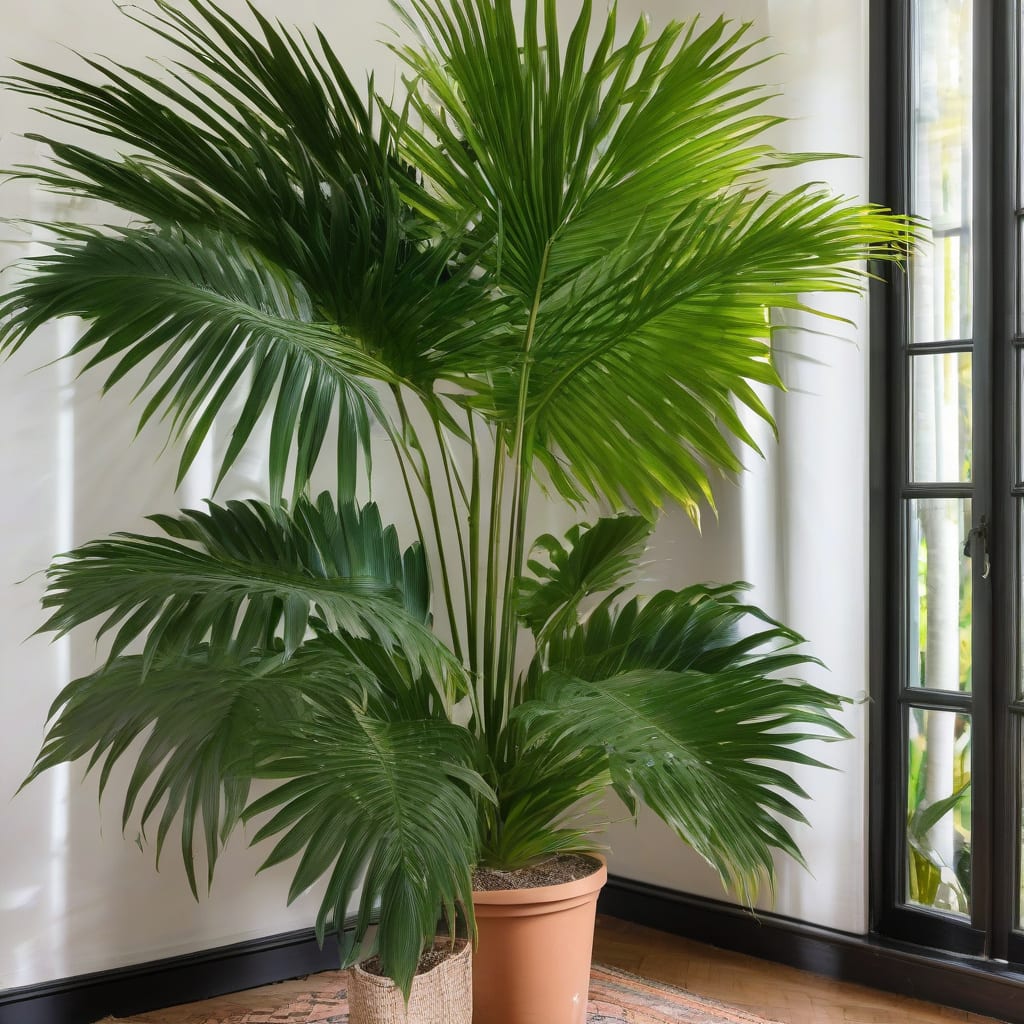
I’ve always been fascinated by the Majesty Palm 🌴, known for its elegant fronds and impressive height. Understanding how tall it can grow helps you plan your indoor or outdoor space effectively.
The Majesty Palm can reach heights of 10-15 feet, making it as tall as a 1-story house. Factors like light, watering, and soil quality impact its growth rate and maximum height.


The Majesty Palm is known for its impressive height potential, making it a popular choice for indoor and outdoor spaces. Understanding its growth patterns helps you plan effectively for its mature size.
Majesty Palms can grow between 10-15 feet tall, with some specimens reaching even higher in ideal conditions. Their growth rate is moderate, typically adding 1-2 feet per year under proper care.
The Majesty Palm’s growth is influenced by various factors including light exposure, watering practices, and soil quality. In ideal conditions with bright indirect light and consistent moisture, these palms can achieve their maximum height potential.
It’s worth noting that Majesty Palms are typically grown in containers, which can help control their height to some extent. Regular maintenance like pruning dead fronds and appropriate fertilization supports healthy growth.
The palm’s natural growth habit is to develop a single trunk with a crown of fronds, creating an elegant appearance. In ideal conditions, these palms can live for decades, continuing to grow slowly over time.
For indoor cultivation, Majesty Palms usually reach 6-10 feet tall, as ceiling height often limits further growth. Outdoor plants in suitable climates can achieve their full 10-15 feet potential.
Understanding the growth potential helps you choose the right location for your Majesty Palm, whether it’s in a spacious indoor area or an outdoor landscape.
Regular monitoring of the plant’s growth allows you to adjust care practices accordingly. This includes repotting when necessary and maintaining optimal growing conditions.
By providing the right environment and care, you can help your Majesty Palm reach its full height potential while maintaining its health and appearance.
Proper care throughout the palm’s life cycle ensures it remains healthy and continues to grow steadily. This includes monitoring for pests and diseases that could impact growth.
The Majesty Palm’s impressive height makes it a striking addition to any space. With proper care, it can become a beautiful focal point in your home or garden.
The height of your Majesty Palm is influenced by various environmental factors that impact its growth and development. Understanding these factors helps you create optimal conditions for your plant to thrive and reach its full potential.
Light, watering, soil quality, and temperature are crucial elements that determine how tall your Majesty Palm will grow.
Light exposure plays a crucial role in determining the height of your Majesty Palm. These plants prefer bright indirect light, typically requiring 4-6 hours of indirect sunlight daily. Insufficient light can lead to leggy growth, while too much direct sunlight may cause leaf scorch.
Watering practices significantly impact the palm’s growth. Majesty Palms prefer consistent moisture but are sensitive to overwatering. Maintaining a regular watering schedule, typically weekly during the growing season, helps promote healthy growth.
Soil quality is another critical factor. Using a well-draining potting mix designed for palms helps prevent root rot and ensures adequate nutrient uptake. A balanced fertilizer applied every 2-3 months during the growing season supports optimal growth.
Temperature also affects the palm’s height potential. Majesty Palms thrive in temperatures between 65-75°F (18-24°C). Avoid placing them near drafty windows or heating/cooling vents to maintain stable temperatures.
By optimizing these environmental factors, you can help your Majesty Palm achieve its maximum height potential while maintaining its health and appearance. Regular monitoring of your plant’s response to these conditions allows you to make adjustments as needed.
Creating the right balance of light, water, and nutrients is key to supporting your Majesty Palm’s growth. With proper care, these plants can live for decades, continuing to grow slowly over time.
Understanding how different factors affect your Majesty Palm’s height helps you make informed decisions about its care. This knowledge enables you to create an optimal environment for your plant to thrive.
By maintaining optimal growing conditions and addressing any potential issues promptly, you can help ensure your Majesty Palm reaches its full height potential and remains a beautiful addition to your space.
Managing the height and growth of your Majesty Palm requires a combination of proper care techniques and regular maintenance. Understanding how to control the plant’s height helps you keep it looking its best in your indoor or outdoor space.
Regular pruning maintains the palm’s appearance and health. Remove any yellow or brown fronds to keep the plant looking tidy and prevent disease spread.
The size of the container affects the palm’s growth. A larger pot allows for more root development, potentially leading to taller growth. Repot every 2-3 years as needed.
Use a balanced fertilizer during the growing season (spring through fall) to support healthy growth. Apply every 2-3 months as directed to provide necessary nutrients.
By implementing these strategies, you can effectively manage your Majesty Palm’s height and promote healthy growth. Regular maintenance ensures your plant remains a beautiful and elegant addition to your space 🌿.
Regular monitoring of your palm’s growth allows you to adjust your care routine as needed. This proactive approach helps maintain the plant’s health and appearance over time.
Combining proper care techniques with regular maintenance creates an optimal environment for your Majesty Palm to thrive. This includes monitoring for pests and diseases that could impact growth.
