
Beautiful Plants For Your Interior
Beautiful Plants For Your Interior
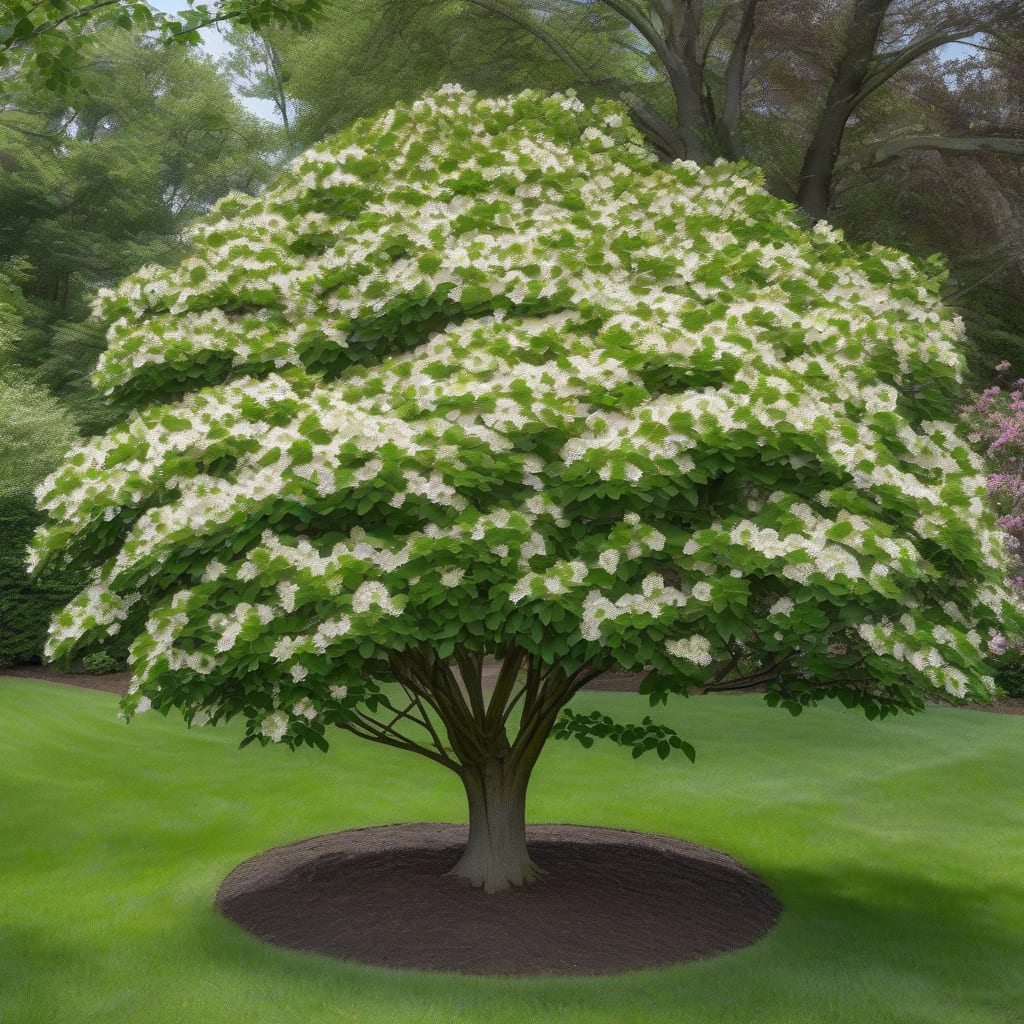
When planting a 🌳 Dogwood Tree, understanding its growth potential is crucial for garden planning. These beautiful trees can add stunning spring flowers and vibrant fall colors to any landscape in USDA Zone 6.
The typical height range for a mature Dogwood Tree is between 15-30 feet, making them a great choice for medium-sized gardens. Proper care and maintenance can help them reach their full potential height.

2-3 ft

4-6 ft

6-8 ft

15-30 ft
Dogwood trees are known for their beautiful flowers and vibrant fall colors, but their height potential is a crucial factor in garden planning. Understanding how tall they can grow helps in choosing the right location and maintenance approach 🌳.
The height of dogwood trees varies by species, with some growing taller than others. On average, most dogwood trees reach between 15-30 feet at maturity. The Cornelian cherry dogwood, for example, can grow up to 20 feet tall, while the flowering dogwood typically reaches 15-25 feet.
Several factors can influence the height of dogwood trees, including soil quality, sunlight exposure, and watering practices. Trees grown in optimal conditions with well-draining soil and adequate moisture tend to reach their maximum potential height 🌿.
The growth rate of dogwood trees also plays a role in their final height. Most dogwood trees are considered slow to moderate growers, typically adding 1-2 feet of height per year. This slow growth rate means they may take several years to reach their full height 🔍.
When planting dogwood trees, it’s essential to consider their mature size to ensure they have enough space to grow. Proper spacing not only enhances the aesthetic appeal of your garden but also contributes to the overall health of the trees 🌳.
Dogwood trees can be a beautiful addition to any landscape, providing stunning flowers in the spring and colorful foliage in the fall. Their relatively modest height makes them suitable for a variety of garden sizes, from small yards to larger estates 🏠.
By understanding the factors that influence dogwood tree height and providing appropriate care, gardeners can help these trees reach their full potential. Regular maintenance, including pruning and watering, is key to supporting healthy growth 🌱.
Dogwood trees are not only valued for their beauty but also for their ability to attract wildlife. Their flowers attract pollinators, while their berries provide food for birds and other animals 🐦.
In conclusion, dogwood trees typically grow between 15-30 feet tall, with their height influenced by factors such as species, soil quality, and care practices. By selecting the right species and providing optimal growing conditions, gardeners can enjoy these beautiful trees for years to come 🌲.
The height of dogwood trees is influenced by various factors that gardeners should consider when planting and maintaining these beautiful trees 🌳.
Soil quality plays a significant role in determining the height of dogwood trees. Trees grown in well-draining soil with adequate moisture tend to reach their maximum potential height. Soil that is too dry or too wet can impact growth, so maintaining optimal soil conditions is crucial 🌿.
Dogwood trees prefer slightly acidic soil with a pH between 6.0-7.0. Maintaining the right soil pH can help promote healthy growth and maximize height potential 🌱.
Sunlight exposure is another critical factor affecting dogwood tree height. While dogwood trees can tolerate some shade, they generally perform best in partial shade to full sun. Too much shade can lead to weaker growth and reduced height 🌻.
Watering practices also impact the height of dogwood trees. Consistent moisture, especially during the first few years after planting, is essential for establishing a strong root system. However, overwatering can be detrimental, so it’s crucial to strike the right balance 💧.
In addition to these factors, proper care and maintenance are vital for supporting the healthy growth of dogwood trees. Regular pruning and fertilization can help promote optimal growth and ensure that the trees reach their full height potential 🌲.
By understanding and managing these factors, gardeners can create an environment that supports the healthy growth and development of their dogwood trees, ultimately influencing their height 🌳.
Dogwood trees are not only valued for their beauty but also for their ability to attract wildlife. Their flowers attract pollinators, while their berries provide food for birds and other animals 🐦.
In summary, the height of dogwood trees is influenced by a combination of factors including soil quality, sunlight exposure, and watering practices. By providing optimal growing conditions and proper care, gardeners can help their dogwood trees reach their full potential height 🌲.
Proper pruning and maintenance are essential for managing the height of dogwood trees and ensuring they remain healthy and vibrant 🌳.
Pruning is a critical practice that helps control the height and shape of dogwood trees. It’s best to prune dogwood trees during their dormant season, typically in late winter or early spring, to minimize stress and promote healthy growth 🌿.
Start by removing any dead, diseased, or damaged branches to prevent the spread of disease and encourage healthy growth.
Thin out the center of the tree to allow more sunlight to penetrate and reduce density, which can help control height and promote air circulation.
Shape the tree by cutting back branches that are growing outside of the desired shape or height, making clean cuts just above a bud or lateral branch.
In addition to pruning, regular maintenance practices such as watering, fertilizing, and mulching are crucial for supporting the overall health and growth of dogwood trees 💧.
By following these pruning and maintenance tips, gardeners can effectively manage the height of their dogwood trees while promoting their overall health and beauty 🌲.
Regular maintenance not only helps in controlling the height but also enhances the tree’s natural beauty and ensures it remains a stunning feature in your garden for years to come 🌸.
