
Beautiful Plants For Your Interior
Beautiful Plants For Your Interior
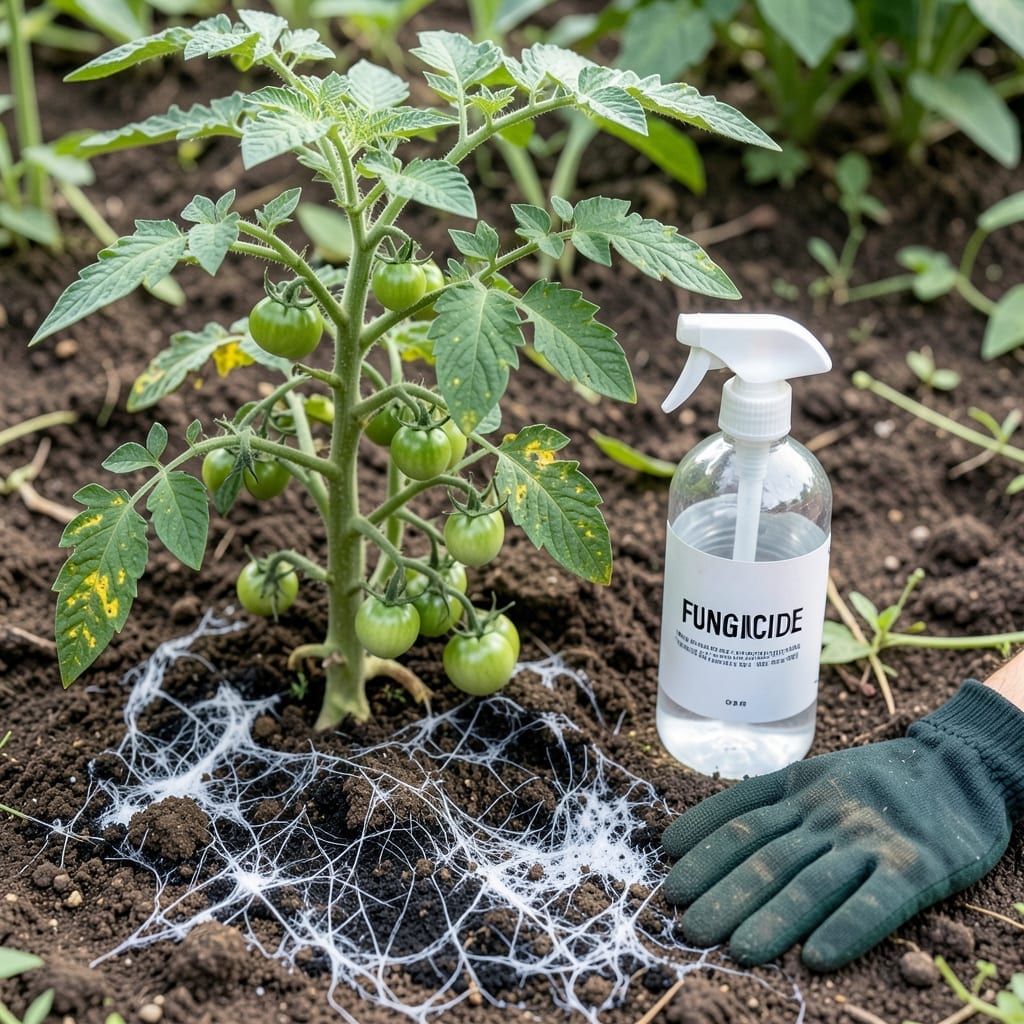
White powder on leaves or black spots spreading fast usually means trouble below the soil line. I’ve watched healthy gardens turn sick overnight from silent fungal invaders hiding where you can’t see them.
The good news is that nature provides its own solutions—simple, organic treatments that restore balance without harsh chemicals. A few targeted applications can stop the spread and bring plants back to vibrant health.
You’ll see wilting leaves perk up within 3-5 days as roots re-establish their strength. The soil regains its natural defenses, and your garden bounces back stronger than before.
Works for flower beds, vegetable patches, and container gardens alike. Here’s how to take action before it’s too late.
Soil fungus thrives when conditions favor its growth, often due to environmental or cultural factors. Understanding these causes helps prevent outbreaks and supports healthier plants. Below are the primary triggers:
Overwatering or poor drainage creates a damp environment where fungal spores multiply. Saturated soil restricts oxygen flow, weakening plant roots and making them more susceptible to infections like Pythium or Fusarium. Ensure proper drainage and avoid waterlogging.
Decaying leaves, wood, or plant matter provide a breeding ground for fungi. These materials release nutrients that feed harmful pathogens. Regularly remove debris and practice crop rotation to disrupt fungal life cycles.
Fungi flourish in temperatures between 70–85°F (21–29°C) with high humidity. These conditions accelerate spore germination and spread. Use mulch to regulate soil temperature and improve air circulation around plants.
Imbalanced soil pH (too acidic or alkaline) or nutrient deficiencies stress plants, reducing their resistance to fungal attacks. Test your soil and amend it with compost or organic matter to restore balance and boost microbial diversity.
Fungi can spread via infected tools, pots, or even purchased soil. Always sterilize gardening equipment and source soil from reputable suppliers to minimize contamination risks.
Soil fungus can wreak havoc on your garden, but these targeted solutions will help you restore balance and protect your plants. Below, we break down fixes by cause, along with prevention tips to keep your soil healthy long-term.
Soggy soil is a breeding ground for fungus. To fix this:
Prevention tip: 💡 Water only when the top inch of soil is dry, and use a moisture meter to avoid guesswork.
Fungus thrives in stagnant, compacted soil. Combat it by:
Prevention tip: 🌬️ Space plants according to their mature size to ensure proper ventilation.
Fungal spores linger in dead leaves and plant debris. Here’s how to clean up:
Prevention tip: ✨ Regularly remove dead foliage and practice crop rotation to disrupt fungal life cycles.
Weak or unbalanced soil encourages fungal growth. Rebalance it with:
Prevention tip: 🎯 Apply a balanced organic fertilizer seasonally to maintain soil vitality.
Apply compost tea or neem cake every 2-3 weeks during growing season. For severe cases, use baking soda spray weekly until symptoms fade. Always follow with watering to help absorption.
Yes! A mix of 1 tablespoon baking soda and 1 gallon water works well. Also, hydrogen peroxide (3%) diluted with water can disinfect soil. Apply carefully to avoid harming plants.
Treat at first signs of trouble or early morning for best results. Avoid applying in direct sunlight or extreme heat, which can stress plants further. Early intervention prevents widespread damage.