
Beautiful Plants For Your Interior
Beautiful Plants For Your Interior
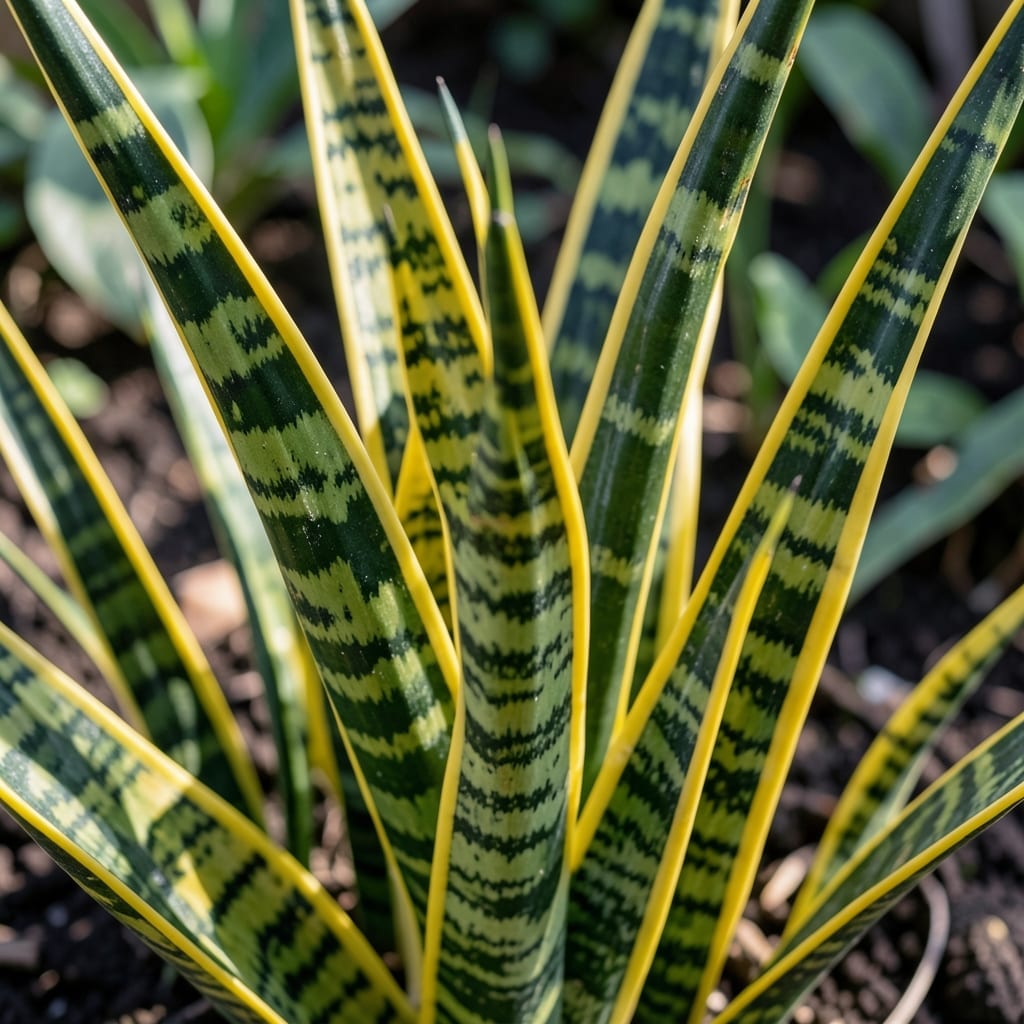
Yellow leaves on your snake plant aren’t a death sentence. I’ve rescued more than I can count with one simple adjustment to their care routine.
The usual culprit is too much love—specifically water. These plants thrive on neglect, and soggy soil suffocates their roots. 3 weeks without water is safer than 3 days with too much.
Fix it fast by letting the soil dry completely between waterings. Move to brighter light if the yellowing spreads, and check for mushy roots that need trimming.
Prevention is easier than cure: well-draining soil and a pot with holes keep the problem from returning.
Snake plants (Sansevieria) are hardy, but yellowing leaves often signal underlying stress. Below are the most common causes, explained scientifically and with actionable fixes.
Excess moisture suffocates roots, preventing oxygen uptake and fostering Pythium or Phytophthora fungi. Roots turn mushy, and leaves yellow as chlorophyll breaks down. Fix: Let soil dry completely between waterings; repot in well-draining mix if rot is suspected.
Snake plants need bright, indirect light. Too little light weakens chloroplasts, reducing chlorophyll production (chlorosis). Conversely, direct sunlight can scorch leaves, causing yellow or brown patches. Fix: Move to a spot with filtered light (east/west-facing windows).
Ideal temperatures are 70–90°F (21–32°C). Cold drafts (below 50°F/10°C) or sudden heat spikes disrupt cellular function, leading to yellowing. Fix: Keep away from AC vents, heaters, or drafty windows.
Nitrogen or magnesium deficiencies cause uniform yellowing (older leaves first). Over-fertilizing can also burn roots, mimicking nutrient shortages. Fix: Use a balanced, diluted fertilizer (10-10-10) every 6–8 weeks in growing seasons.
Spider mites or mealybugs sap plant juices, weakening the snake plant. Yellow spots or webbing confirm their presence. Fix: Wipe leaves with neem oil or insecticidal soap weekly until pests are gone.
Here’s how to nurse your snake plant back to health, based on the most common causes of yellowing.
Stop watering immediately and check the roots for rot. Trim any mushy, dark roots with clean scissors, then repot in fresh, well-draining soil. Water only when the top 2–3 inches of soil are completely dry. Use a pot with drainage holes to prevent future soggy soil.
Prevention tip: 🌡️ Stick your finger in the soil—if it feels damp, wait it out. Snake plants thrive on neglect!
Move your plant to a spot with bright, indirect light (e.g., near an east-facing window). Avoid harsh direct sun, which can scorch leaves. Rotate the pot weekly for even exposure.
Prevention tip: 💡 If natural light is scarce, supplement with a grow light for 6–8 hours daily.
Repot your snake plant in a cactus or succulent mix blended with perlite or sand for extra drainage. Avoid dense, moisture-retentive soils like garden soil.
Prevention tip: ✨ Refresh the soil every 2–3 years to prevent compaction and salt buildup from tap water.
Use a diluted, balanced houseplant fertilizer (half-strength) once during spring or summer. Over-fertilizing can burn roots, so less is more.
Prevention tip: 🎯 Skip fertilizer in fall/winter when growth slows. Flush the soil with water every few months to remove excess salts.
Gently wipe leaves with a damp cloth dipped in mild soap to remove spider mites or mealybugs. For stubborn infestations, use neem oil spray. Isolate the plant to prevent pests from spreading.
Prevention tip: 🔥 Inspect new plants before bringing them home, and keep leaves dust-free with occasional wiping.
Water only when the top 2-3 inches of soil are completely dry. This usually means every 3-4 weeks, but always check the soil first. Overwatering is the most common cause of yellowing.
Unfortunately, once leaves turn yellow, they won’t recover. The best approach is to trim the affected leaves and address the underlying issue to prevent further yellowing.
Bright, indirect light is ideal. East or west-facing windows work well. Avoid direct sunlight, which can scorch the leaves, or deep shade, which may weaken the plant.
If the issue is root rot or poor soil, repotting in fresh, well-draining mix can help. Otherwise, focus on correcting watering or light conditions first.