
Beautiful Plants For Your Interior
Beautiful Plants For Your Interior
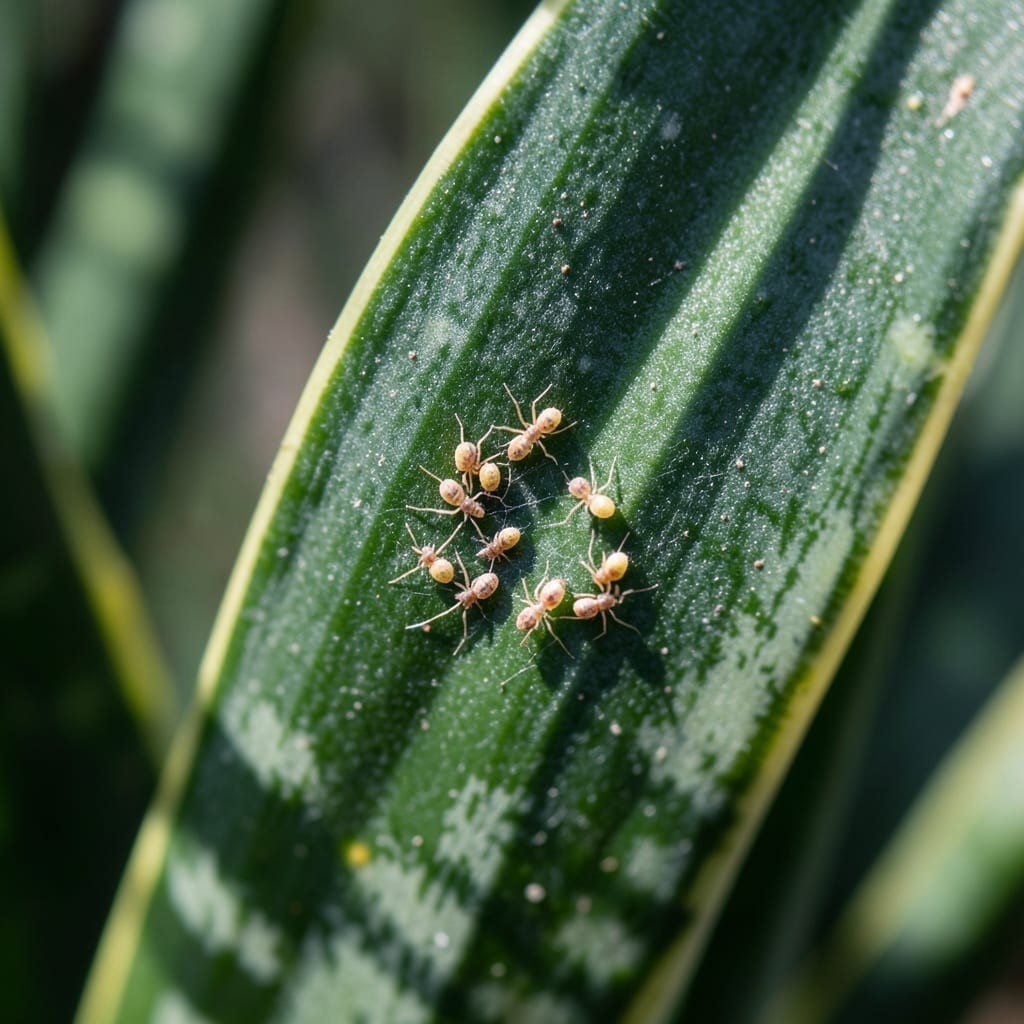
My snake plant nearly died before I learned the simple signs. Yellow leaves, mushy stems—these aren’t death sentences, just your plant talking.
Most issues come from 3 common mistakes: too much water, not enough light, or the wrong soil. Fix these and your plant bounces back fast. I’ve killed two snake plants learning this the hard way.
The solutions are honest-to-goodness easy. Adjust your watering schedule, move it closer to a window, or repot with better drainage. That’s it.
Within 2-3 weeks, you’ll see new growth and healthier leaves. No green thumb required—just attention to what your plant needs.
Understanding the root causes of snake plant problems helps you address them effectively. Here are the most common culprits:
Snake plants (Sansevieria) are drought-tolerant succulents. Overwatering leads to root rot, as excess moisture suffocates the roots and promotes fungal growth. The plant’s rhizomes store water, so frequent watering disrupts this balance. Signs: Yellowing leaves, mushy stems, or a foul odor from the soil.
While snake plants tolerate low light, prolonged darkness weakens them. Insufficient light slows photosynthesis, causing stunted growth and pale, leggy leaves. Signs: Thin, stretched foliage or loss of vibrant green coloring.
These plants thrive in 70–90°F (21–32°C). Cold drafts or sudden temperature drops below 50°F (10°C) can damage cells, leading to brown tips or wilting. Conversely, excessive heat without humidity may cause dry, crispy edges.
Spider mites, mealybugs, and scale insects sap nutrients from the leaves. These pests thrive in dry, stagnant conditions. Signs: Webbing, white cottony spots, or sticky residue on leaves.
Heavy, compacted soil retains moisture, increasing root rot risk. Snake plants need well-draining mixes (e.g., cactus/succulent soil) to prevent waterlogging.
Dealing with snake plant problems doesn’t have to be complicated. Here’s how to tackle the most common issues with simple, actionable fixes—and tips to keep them from returning.
Overwatering is the usual culprit. Let the soil dry completely between waterings—stick your finger an inch deep to check. If the roots are mushy, trim the affected parts and repot in fresh, well-draining soil. Prevention tip: 💡 Use a pot with drainage holes and a cactus/succulent mix to avoid soggy roots.
Spot spider mites, mealybugs, or scale? Dab pests with a cotton swab soaked in rubbing alcohol or spray the plant with neem oil. Isolate the plant to prevent spreading. Prevention tip: 🌿 Wipe leaves regularly with a damp cloth to deter pests.
Low light or root rot can cause sagging. Move the plant to bright, indirect light and inspect roots for rot (dark, smelly roots = trouble). Trim rotten roots and repot. Prevention tip: ✨ Rotate the plant occasionally for even light exposure.
Brown, crispy tips often signal low humidity or fluoride in tap water. Use filtered or distilled water, and mist the leaves lightly. Prevention tip: 🎯 Group plants together to boost humidity naturally.
Stunted growth? Fertilize lightly with a balanced houseplant fertilizer every 2–3 months in spring/summer. If roots are circling the pot, upgrade to a slightly larger container. Prevention tip: 🌱 Avoid fertilizing in winter—snake plants rest then!
This usually means overwatering. Let the soil dry completely between waterings. If roots are mushy, trim them and repot in fresh, well-draining soil to prevent rot.
Water only when the soil is completely dry, typically every 2-3 weeks. These plants store water in their roots and leaves, so they thrive on neglect.
Those are likely mealybugs. Remove them with a cotton swab dipped in rubbing alcohol or spray with neem oil. Isolate the plant to stop the spread.
They tolerate low light but grow slowly. For best results, place them in bright, indirect light. Too little light causes thin, weak leaves.