
Beautiful Plants For Your Interior
Beautiful Plants For Your Interior
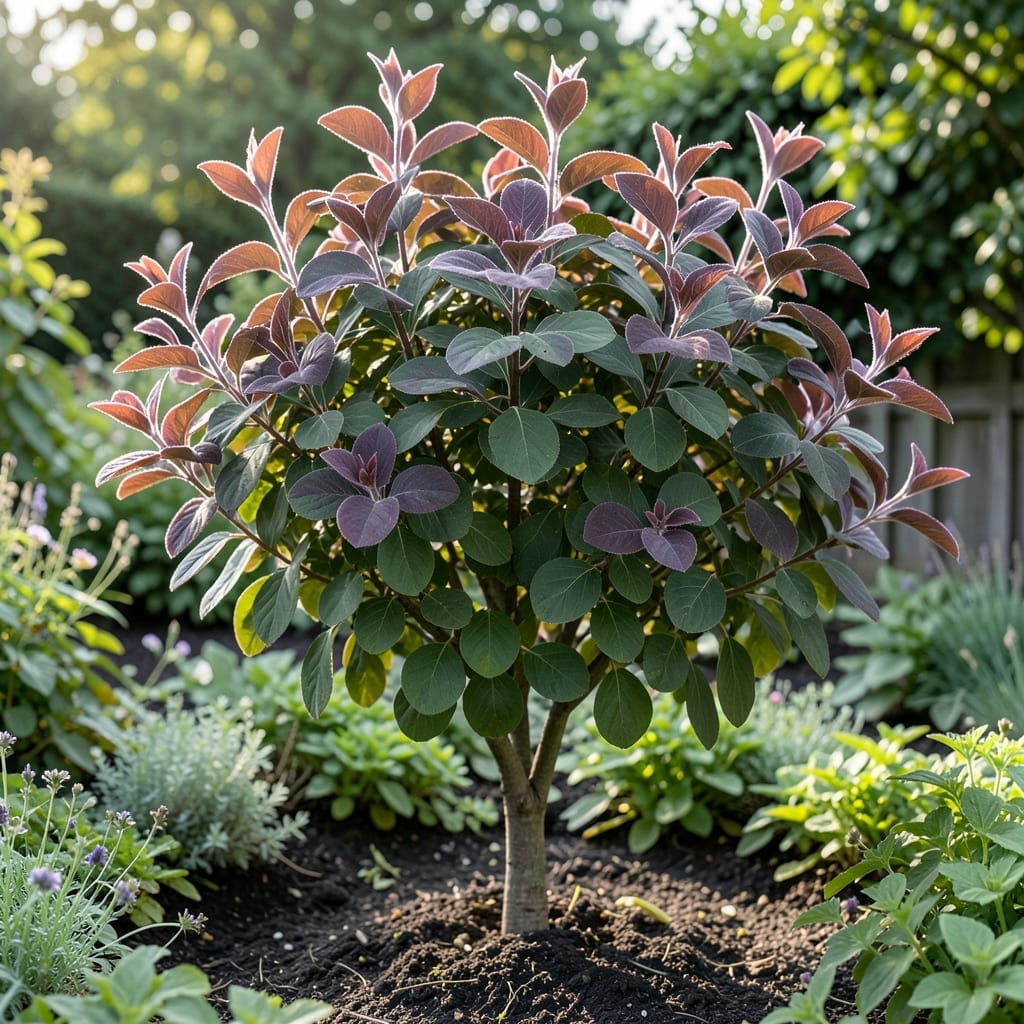
That first glimpse of deep purple foliage in spring always takes my breath away. Smoke tree leaves emerge in stunning colors, shifting from burgundy to scarlet as the seasons change.
I’ve learned these trees thrive with minimal fuss—just well-drained soil and full sun. The secret is patience; their foliage develops its full drama by the second year. Drought-tolerant once established, they’re a low-maintenance way to add bold color to any landscape.
📚 In This Guide
Here’s my go-to method for coaxing those deep purple leaves and vibrant fall colors from your plants.
Start with a variety known for its foliage, like ‘Royal Purple’ or ‘Grace’. These deliver the richest color. I always pick a location with full sun to partial shade—at least 6 hours of direct sunlight daily ensures the most intense leaf hues.
Smoke trees tolerate a range of soils but thrive in well-draining loam. Avoid low spots where water pools, as soggy roots will yellow leaves fast. Test drainage by digging a 1-foot deep hole and filling it with water. If it drains within 2 hours, you’re good to go.
Dig a hole twice as wide as the root ball but no deeper. Set the tree in so the root flare (where roots meet trunk) sits slightly above ground level. Backfill with native soil, not amendments—this encourages roots to spread outward into surrounding earth.
Water deeply after planting, then add a 2-3 inch layer of mulch around the base, keeping it 3 inches away from the trunk. Mulch retains moisture and regulates soil temperature, both critical for consistent foliar color. You’ll know it’s working when the soil stays damp but never soggy.
For the first 2-3 weeks, water every 2-3 days unless rain does it for you. Use a slow trickle at the base to encourage deep root growth. Once established, smoke trees are drought-tolerant, but consistent moisture during the first season prevents leaf scorch.
Check soil moisture by sticking your finger 2 inches down. If it feels dry, it’s time to water. Overwatering shows up as yellowing leaves, while underwatering causes crispy, brown edges. Adjust based on what you see.
Prune in late winter or early spring before new growth starts. Remove any dead, diseased, or crossing branches first. Then, thin out about 20-30% of the oldest stems at the base to encourage fresh, colorful growth.
This tree blooms on old wood, so avoid heavy pruning in fall or you’ll cut off next year’s flower plumes. After pruning, step back and look for balanced shape—this ensures even sunlight distribution and the best leaf color development.
Fertilize lightly in early spring with a balanced, slow-release fertilizer if growth seems sluggish. Too much nitrogen leads to excessive green growth at the expense of those smoky purple tones. I use half the recommended dose and watch how the tree responds.
Pests like aphids can stress the tree and dull leaf color. Check the undersides of leaves weekly during the growing season. A strong blast of water often dislodges them, but for stubborn infestations, use neem oil in the early morning or late evening to avoid leaf burn.
Small details make the difference between lackluster and breathtaking foliage.
Sunlight Strategy: The 6 hours of direct sunlight mentioned in Step 1 is non-negotiable for those deep purple tones. If your yard only gets morning sun, prioritize east-facing spots. Afternoon shade works too, but avoid deep shade—your leaves will stay stubbornly green.
Drainage Test: That 2-hour drainage test in Step 1 isn’t just a suggestion. I’ve seen smoke trees with yellowed leaves in spots where water pooled for 3+ hours. If your hole doesn’t drain within the specified time, either amend the soil or choose a different location entirely.
Mulching Technique: In Step 2, the 3 inches of space between mulch and trunk prevents rot. I learned this the hard way after losing a young tree to “mulch volcano” syndrome. Keep that gap clear, and use organic mulch—it breaks down over time to improve your soil.
Watering Wisdom: The 2-3 week establishment period in Step 3 is when most people overwater. Here’s what nobody tells you—stick your finger 2 inches down as instructed. If it’s damp, wait. Yellow leaves mean too much water; crispy edges mean not enough. Trust the soil, not the calendar.
Brown leaves often indicate underwatering, drought stress, or poor soil drainage. Ensure consistent moisture (but not soggy soil) and check for root issues.
Smoke tree foliage typically turns vibrant red, orange, or purple in fall, triggered by cooler temps. Some varieties, like ‘Royal Purple,’ maintain dark hues all season.
No! Smoke tree leaves are not food-safe for smoking. Stick to approved woods like hickory or apple.
Improve air circulation, avoid overhead watering, and apply fungicide (neem oil works well). Remove heavily infected leaves to prevent spread.
Yes! Try Purple Leaf Plum or Japanese Maple for comparable color and drama without the same care needs.