
Beautiful Plants For Your Interior
Beautiful Plants For Your Interior
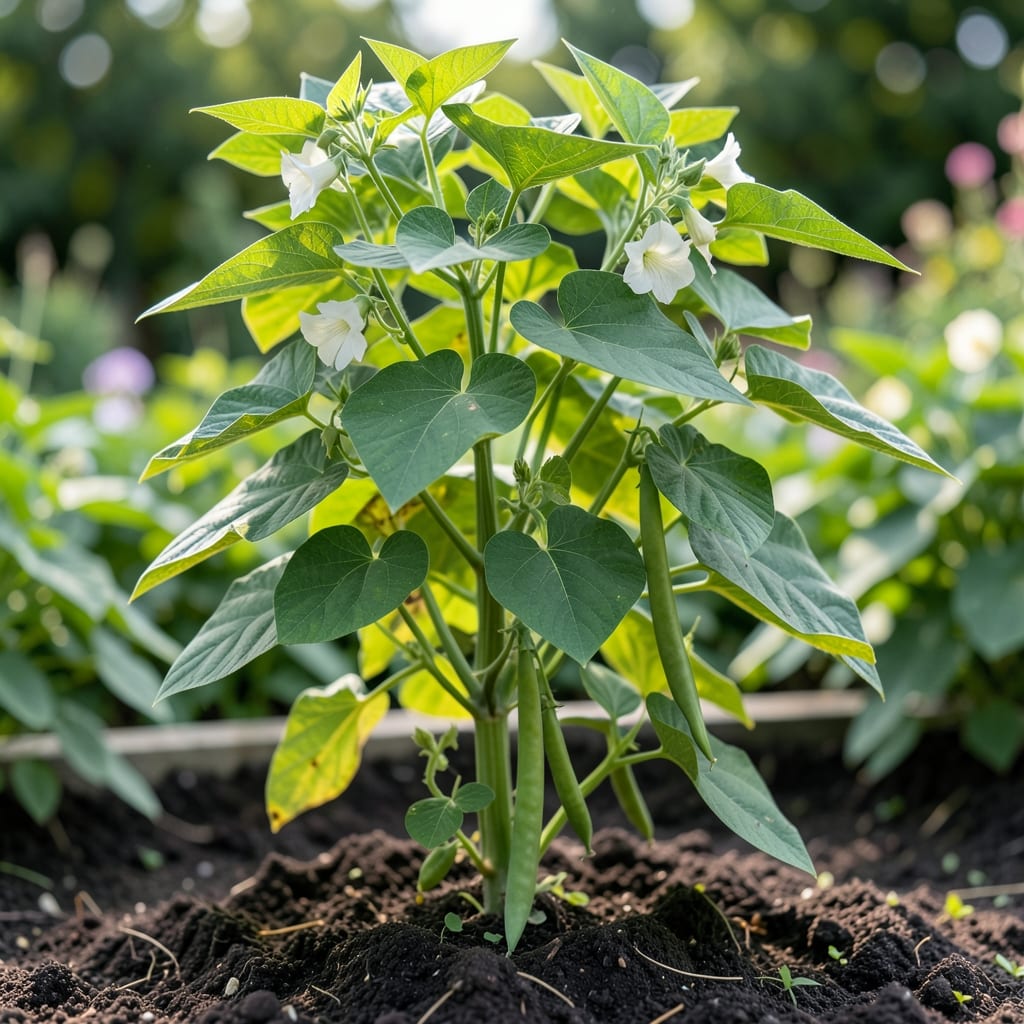
Yellow leaves on green beans aren’t a death sentence. I’ve saved countless plants by catching the warning signs early and acting fast.
This issue usually starts with something simple: too much water, not enough nutrients, or a sneaky pest problem. Most gardeners overlook the first yellow leaf, but that’s when you should start investigating.
With the right organic fixes, you can reverse the damage and get your plants back to producing crisp, vibrant green pods. The key is proper diagnosis before treating.
We’ll cover how to spot the difference between normal aging and serious problems, plus the 3 most common causes I see in gardens every season.
Yellow leaves on green bean plants often signal underlying issues that disrupt their health. Below are the most common causes, explained with actionable insights.
Green beans require a balanced diet of nitrogen, magnesium, and iron. A lack of nitrogen causes uniform yellowing (chlorosis) in older leaves first, as the plant redirects nutrients to new growth. Magnesium deficiency, on the other hand, leads to interveinal chlorosis—yellowing between veins—while iron deficiency affects younger leaves. Test soil pH (ideal: 6.0–6.8); amend with compost or organic fertilizers like fish emulsion for nitrogen or Epsom salt for magnesium.
Extreme temperatures, drought, or waterlogging stress green beans, triggering leaf yellowing. Heat above 90°F (32°C) can scorch leaves, while cold snaps below 50°F (10°C) stunt growth. Overwatering suffocates roots, reducing nutrient uptake. Ensure consistent moisture (1–1.5 inches of water weekly) and mulch to regulate soil temperature.
Pathogens like Fusarium wilt or bacterial blight disrupt vascular systems, blocking water and nutrient flow. Wilt-related yellowing often starts at the base and spreads upward. Prevent with crop rotation, resistant varieties (e.g., ‘Blue Lake’), and copper-based sprays for bacterial issues. Remove infected plants immediately to avoid spread.
Sap-sucking pests such as aphids, spider mites, or whiteflies drain plant fluids, causing yellow stippling or mottling. Check leaf undersides for pests or sticky honeydew residue. Combat with neem oil or insecticidal soap, and introduce beneficial insects like ladybugs.
Once you’ve identified the cause, these targeted fixes can restore your green beans’ vibrant health. Address issues early for the best results.
Let the soil dry slightly between waterings—stick your finger an inch deep to check moisture. Repot plants in well-draining soil or raised beds if water pools. Add compost to improve texture. Prevention tip: 💡 Use pots with drainage holes and avoid saucers that trap water.
For nitrogen deficiency (pale yellow leaves), side-dress with compost or aged manure. For magnesium (yellow between veins), apply Epsom salt spray (1 tbsp per gallon of water). Prevention tip: ✨ Test soil annually and amend before planting. Rotate crops to avoid depletion.
If leaves scorch in peak afternoon heat, erect a shade cloth (30-40% density) or plant taller crops nearby for dappled light. Prevention tip: 🎯 Site green beans where they get morning sun and afternoon shade in hot climates.
Blast aphids or spider mites off with a strong water spray. Introduce ladybugs or neem oil for persistent infestations. Prevention tip: 🌡️ Encourage beneficial insects by planting companion flowers like marigolds.
Remove infected leaves and avoid overhead watering. Apply copper fungicide or a baking soda spray (1 tsp in 1 quart water + a drop of soap). Prevention tip: ✨ Space plants for airflow and water at the base in the morning.
With consistent care and these organic solutions, your green beans will bounce back—lush, green, and productive.
Yes, too much water suffocates roots and blocks nutrient uptake. Let soil dry slightly between waterings and ensure good drainage.
Nitrogen deficiency yellows older leaves first. Magnesium shows as yellow between leaf veins. Test soil pH and amend with compost or Epsom salt.
Severely damaged leaves won’t recover, but fixing the underlying issue stops new yellowing. Focus on preventing further damage.
Inspect leaf undersides regularly for pests. Use neem oil or introduce beneficial insects like ladybugs. Plant companion flowers like marigolds.