
Beautiful Plants For Your Interior
Beautiful Plants For Your Interior
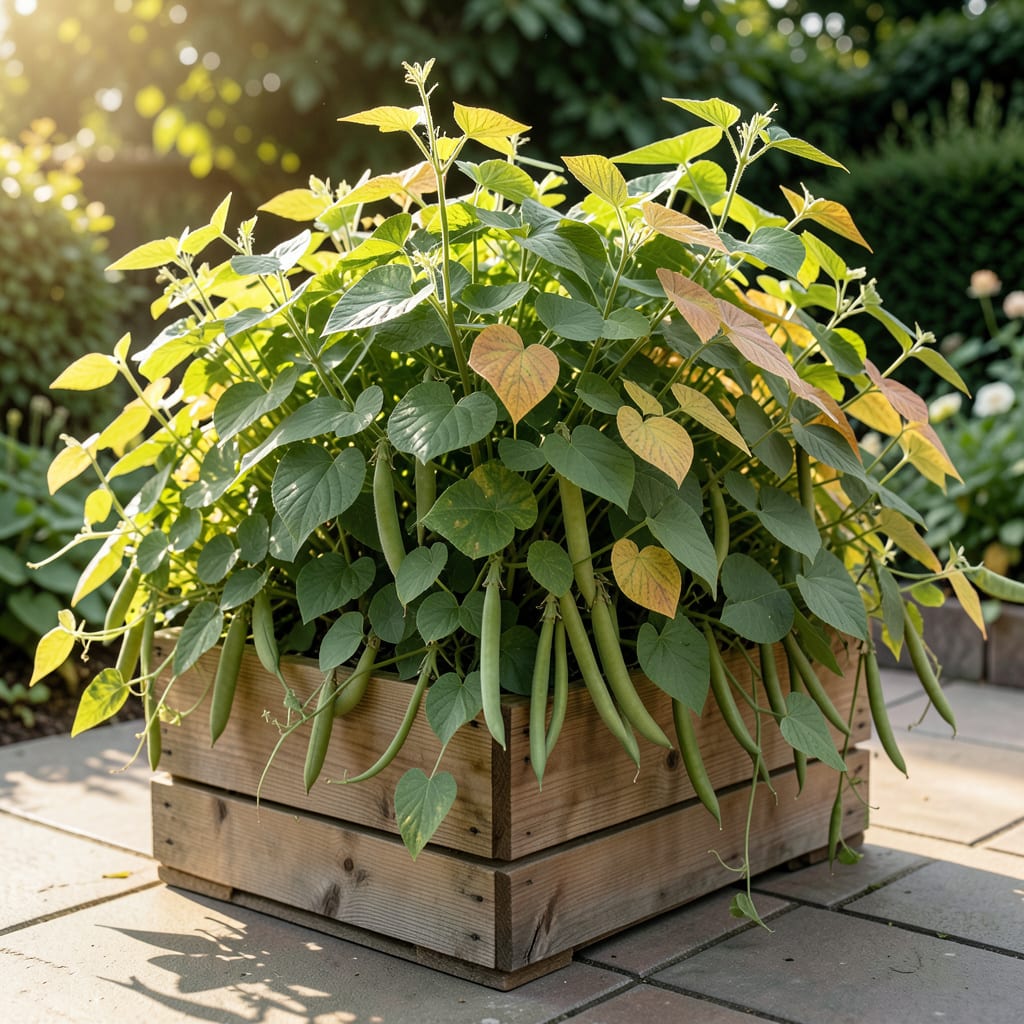
Yellow leaves on green beans always signal something’s off in the soil. I’ve seen this happen when nitrogen runs low, or when roots sit in water too long.
Sometimes it’s pests like spider mites or a fungus moving in. The plant can’t photosynthesize properly, so growth slows down and yields drop.
Fixing it starts with checking the basics: drainage, nutrients, and leaf health. A simple soil test can reveal what’s missing or out of balance.
With the right adjustments, your plants bounce back fast. Healthy green beans have deep green leaves and strong stems, ready to produce.
Green bean leaves turn yellow due to several underlying issues, often tied to environmental stress, nutrient deficiencies, or pests. Here’s a breakdown of the most common causes:
Yellowing leaves often signal a lack of essential nutrients. Nitrogen deficiency typically causes uniform yellowing in older leaves first, as the plant redirects nitrogen to newer growth. Magnesium deficiency appears as interveinal chlorosis (yellowing between veins) in older leaves, while iron deficiency affects younger leaves, turning them pale yellow or white. A soil test can confirm which nutrient is lacking.
Water stress disrupts nutrient uptake and photosynthesis. Overwatering leads to root rot, suffocating roots and preventing them from absorbing nutrients, resulting in yellow, wilting leaves. Underwatering causes leaves to turn yellow and crispy as the plant conserves water. Check soil moisture 1-2 inches deep—it should feel damp but not soggy.
Pests like aphids, spider mites, or whiteflies sap plant juices, weakening the plant and causing yellow stippling or mottling on leaves. Aphids often cluster on new growth, while spider mites create fine webbing. Inspect the undersides of leaves and treat with insecticidal soap or neem oil if pests are present.
Diseases such as bacterial blight or fungal leaf spot can cause yellowing leaves with brown or black spots. These pathogens thrive in wet, humid conditions. Remove infected leaves and improve air circulation to prevent spread. Copper-based fungicides can help manage fungal issues.
Extreme temperatures, either too hot or too cold, can stress green beans, leading to yellow leaves. Heat stress may cause leaf scorch, while cold stress slows growth and nutrient uptake. Ensure plants are in a location with consistent temperatures between 70-85°F (21-29°C) during the day.
Here’s how to tackle each common cause of yellowing green bean leaves, with simple fixes and prevention tips to keep your plants thriving.
If the issue is nitrogen deficiency (older leaves yellow), apply a balanced fertilizer (10-10-10) or side-dress with compost. For iron or magnesium shortages (yellowing between veins), use chelated iron or Epsom salt (1 tablespoon per gallon of water) as a foliar spray. Prevention tip: 💡 Test soil annually and amend before planting.
Let the top inch of soil dry between waterings. If drainage is poor, mix in sand or perlite to loosen the soil. Ensure pots have drainage holes. Prevention tip: 🎯 Mulch with straw to retain moisture without waterlogging.
For aphids or spider mites, blast leaves with water or spray with neem oil (1 tbsp oil + 1 tsp dish soap per gallon of water). Introduce ladybugs as natural predators. Prevention tip: ✨ Rotate crops yearly and keep the garden free of debris.
Fungal issues like rust or powdery mildew? Remove infected leaves and apply copper fungicide. Improve airflow by spacing plants 4–6 inches apart. Prevention tip: 🌡️ Avoid overhead watering—use a drip system to keep foliage dry.
If leaves scorch from too much sun, provide afternoon shade. For cold damage, cover plants with row covers. Prevention tip: 🔥 Harden off seedlings before transplanting to reduce shock.
Water when the top 1 inch of soil feels dry. Aim for 1-2 inches per week, more in hot weather. Avoid soggy soil to prevent root rot.
A balanced 10-10-10 fertilizer works for nitrogen deficiencies. For magnesium, use Epsom salt (1 tbsp/gallon). Always test soil first.
Generally no—once damaged, they won’t recover. Focus on correcting the issue to protect new growth. Remove severely yellowed leaves to redirect energy.
Encourage ladybugs and use neem oil spray weekly. Remove garden debris and rotate crops yearly to deter infestations.
