
Beautiful Plants For Your Interior
Beautiful Plants For Your Interior
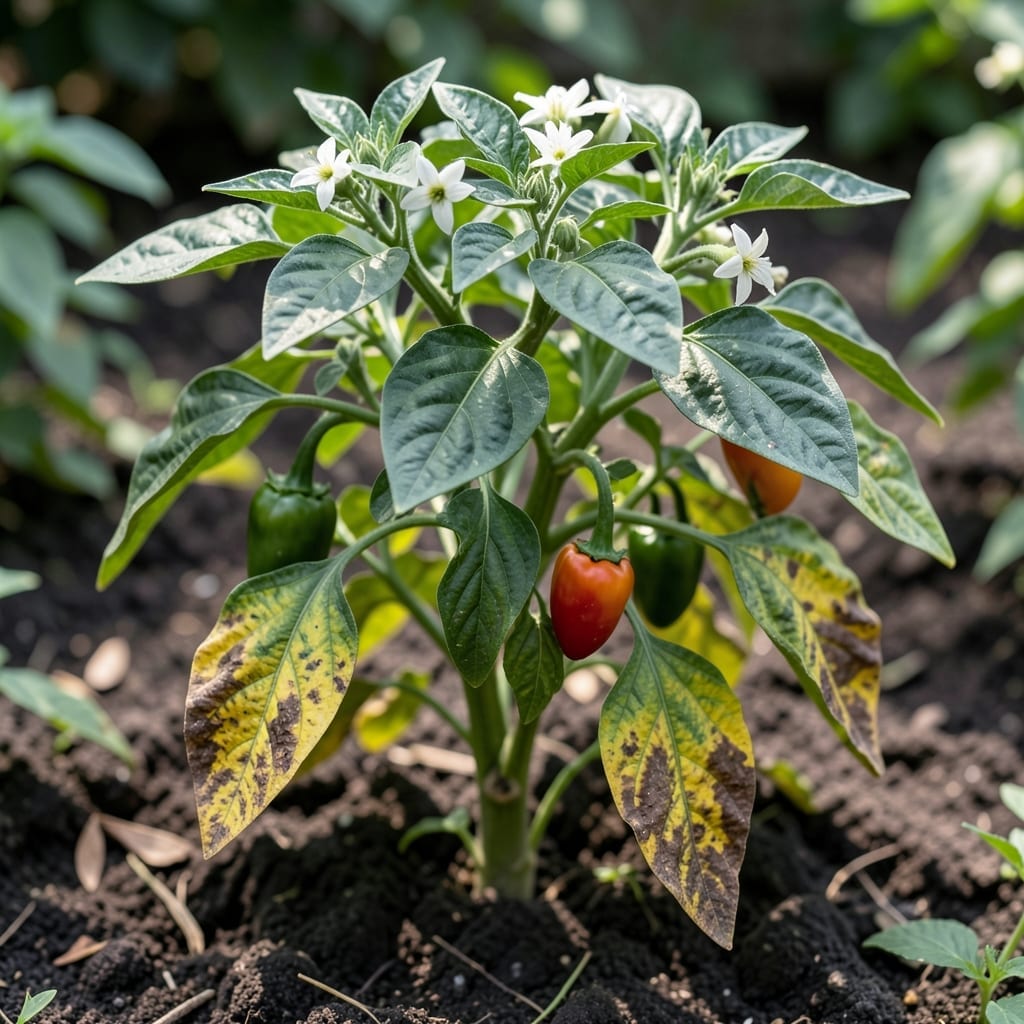
Yellowing leaves between the veins on your pepper plants means trouble. I’ve seen this exact pattern ruin a promising harvest more times than I care to admit.
The issue isn’t some mysterious blight—it’s usually a simple magnesium shortage. Pepper plants need this nutrient to make chlorophyll, and when it’s missing, the leaves start looking pale and sickly.
Fortunately, fixing it is straightforward. A little Epsom salt spray or a soil amendment can turn things around fast. Within a week, you’ll see new growth coming in vibrant green.
Between you and me, the best defense is a good offense. Regular soil testing and a balanced fertilizer routine keep this from happening in the first place.
Magnesium deficiency in pepper plants often stems from several preventable factors. Below are the most common causes, explained in clear, actionable terms.
Soils naturally low in magnesium—or those depleted by heavy cropping—can’t supply enough of this essential nutrient. Sandy or highly acidic soils (pH below 6.0) are especially prone to magnesium leaching, where the mineral washes away before roots can absorb it.
Overwatering or poor drainage flushes magnesium out of the root zone. Conversely, drought-stressed plants struggle to uptake magnesium even if it’s present. Aim for consistent moisture without waterlogging.
High levels of potassium, calcium, or ammonium in the soil can block magnesium absorption. For example, over-fertilizing with potassium-rich amendments (like wood ash) may create competition, starving peppers of magnesium.
Magnesium uptake slows in cold soils (below 60°F/15°C). Compacted or poorly aerated soil also restricts root growth, limiting the plant’s ability to access available magnesium.
During fruiting or flowering, pepper plants demand more magnesium. If the soil can’t keep up with this surge, deficiency symptoms (like interveinal chlorosis) appear first on older leaves.
Magnesium deficiency in your pepper plants can be reversed with the right approach. Below are targeted solutions based on the most common causes, along with prevention tips to keep your plants thriving.
If your soil lacks magnesium, mix in Epsom salt (magnesium sulfate) or dolomitic lime. For a quick fix, dissolve 1 tablespoon of Epsom salt in a gallon of water and spray it directly onto the leaves (foliar spray) every 2 weeks. For a long-term solution, work 1-2 cups of dolomitic lime per 10 square feet into the soil before planting.
Prevention tip: 💡 Test your soil annually and amend it with organic compost to maintain nutrient balance.
Overwatering can leach magnesium from the soil and suffocate roots. Ensure your pepper plants are in well-draining soil and water only when the top 1-2 inches of soil are dry. Use raised beds or containers if drainage is a persistent issue.
Prevention tip: 💡 Mulch around the base of plants to retain moisture without waterlogging.
Too much calcium, potassium, or nitrogen can block magnesium uptake. Switch to a balanced, water-soluble fertilizer (e.g., 10-10-10) and supplement with magnesium-rich additives like compost or worm castings. Avoid overusing synthetic fertilizers, which can disrupt soil chemistry.
Prevention tip: 💡 Rotate crops annually to prevent nutrient depletion in the soil.
Compacted soil restricts root growth and nutrient absorption. Gently aerate the soil around your pepper plants using a garden fork, taking care not to damage the roots. For container-grown peppers, repot them if the roots are circling or crowded.
Prevention tip: ✨ Add perlite or sand to potting mixes to improve aeration.
With these fixes, your pepper plants should show improvement in 2-4 weeks. Yellow leaves may not turn green again, but new growth will be healthy and vibrant!
New growth typically returns to normal color within 2-4 weeks. Existing yellow leaves won’t recover but fresh ones will emerge vibrant green.
Yes! Mix 1 tablespoon per gallon of water for foliar spray or work 1 teaspoon per plant into soil. Avoid overuse as it may cause salt buildup.
Magnesium is mobile in plants. When deficient, the plant moves magnesium from older to newer leaves first, causing yellowing between veins on mature foliage.
Lime raises soil pH and adds magnesium long-term. Epsom salt provides immediate relief. Use lime for prevention and Epsom salt for quick fixes.