
Beautiful Plants For Your Interior
Beautiful Plants For Your Interior
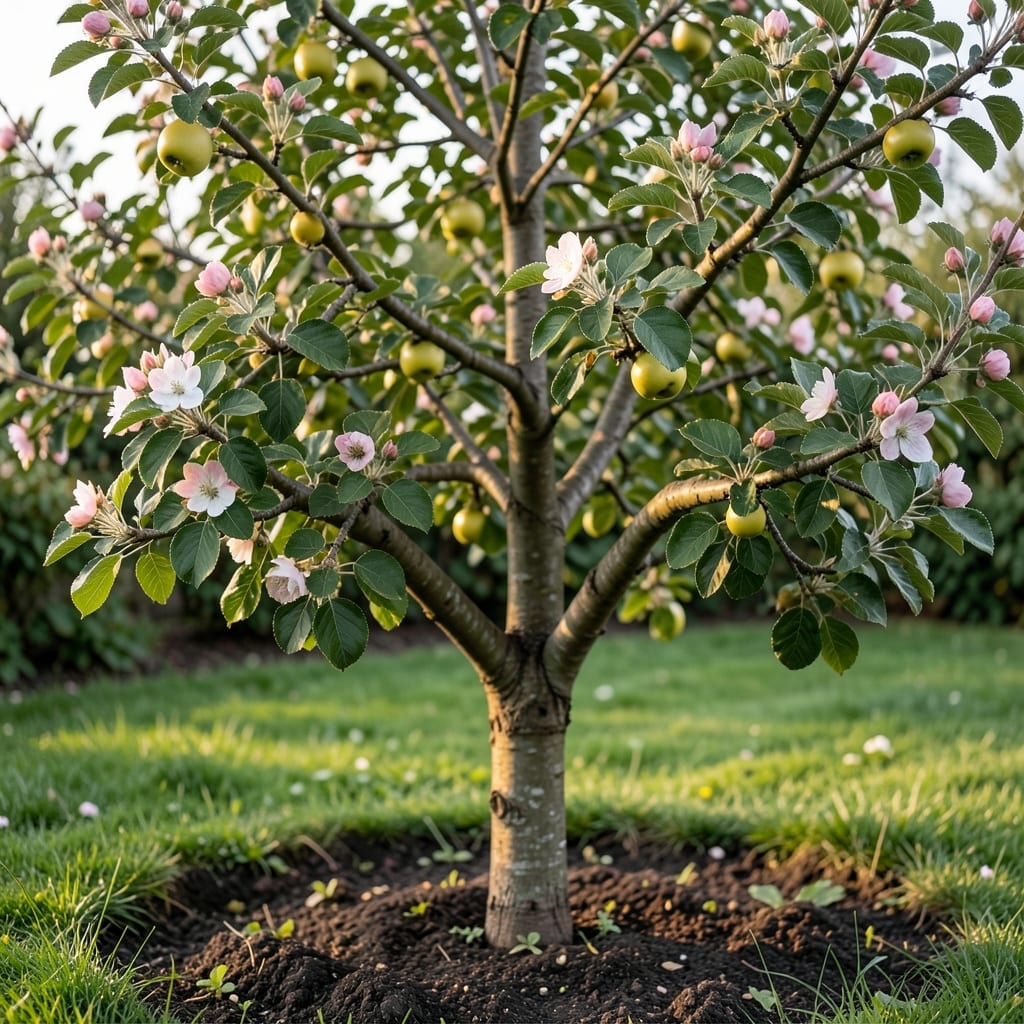
I’ve grown small yellow apple trees in containers for years, and they’re the perfect solution for limited space. These compact varieties deliver crisp, sweet fruit without the sprawl of traditional orchards.
With the right soil mix and 6-8 hours of sun, you’ll harvest bushels from a patio or balcony. The key is choosing dwarf or semi-dwarf rootstocks and staying on top of pruning to keep them manageable.
📚 In This Guide
Here’s the method I use to grow these trees successfully, tested in my own orchard for consistent results.
Choose a location with full sun (at least 6-8 hours daily) and well-draining soil. These trees dislike soggy roots, so avoid low-lying areas where water pools. I always test drainage by digging a 1-foot hole, filling it with water, and checking if it drains within 1-2 hours.
Amend heavy clay or compacted soil with compost to improve structure. The ideal pH is 6.0-7.0—test with a kit if unsure. Space trees 15-20 feet apart to allow for mature growth and airflow, which prevents disease.
Dig a hole twice as wide as the root ball but no deeper. Planting too deep suffocates roots. Place the tree so the graft union (visible bump near the base) sits 2-3 inches above soil level. This prevents scion rooting, which weakens the tree.
Backfill with native soil, tampering gently to remove air pockets. Water deeply with 5 gallons to settle the soil, then add a 3-inch layer of mulch (wood chips or straw) around the base, keeping it 6 inches away from the trunk to avoid rot.
Water young trees 1-2 times weekly during the first year, ensuring the soil stays moist but not waterlogged. A drip irrigation system works best to deliver water directly to roots. Reduce frequency to every 10-14 days once established, but increase during droughts.
Fertilize in early spring with a balanced 10-10-10 formula, applying 1 pound per year of tree age (max 5 pounds). Spread it evenly under the canopy and water in. Avoid late-season nitrogen, which encourages tender growth vulnerable to frost.
Prune in late winter while the tree is dormant. Remove dead, diseased, or crossing branches first. Then, open the center to allow sunlight to penetrate—this improves fruit quality. I use clean, sharp bypass pruners to make 45-degree cuts just above a bud.
Train young trees to a central leader (main upright stem) by selecting 4-5 strong scaffold branches spaced 6-12 inches apart vertically. Remove competing shoots early to focus energy on fruit production. Thin crowded branches to improve airflow, which reduces fungal issues.
Check leaves weekly for signs of aphids, mites, or apple scab (dark spots on leaves). Introduce beneficial insects like ladybugs for pest control, or use neem oil for organic treatment. Remove fallen leaves and debris to limit disease overwintering.
Apply a dormant oil spray in late winter to smother overwintering pests. For fungal issues, a copper fungicide applied in early spring and after petal fall can prevent infections. Always follow label instructions for timing and dilution rates.
Here’s how to avoid the most common pitfalls when growing these trees for a thriving orchard.
The Sunlight Factor: The 6-8 hours of daily full sun mentioned in Step 1 is non-negotiable. I learned this the hard way when I planted a few trees in partial shade—yield and fruit quality suffered dramatically. Use a sun calculator app to track light patterns in your yard before planting.
Drainage Test Insight: That 1-2 hour drainage test in Step 1 isn’t just a suggestion. After losing two saplings to root rot in poorly draining soil, I now dig test holes in multiple spots before deciding on a location. If water sits longer than 2 hours, amend with compost or choose a different site.
Planting Depth Critical: In Step 2, placing the graft union 2-3 inches above soil level prevents a host of problems. I’ve seen trees decline within a year because they were planted too deep. Use a ruler to measure if you’re unsure—this small detail makes a big difference in long-term health.
Mulching Technique: When adding that 3-inch layer of mulch in Step 2, resist the urge to pile it against the trunk. Keeping it 6 inches away prevents moisture buildup that can lead to disease. I use a wooden dowel as a guide to maintain consistent spacing around each tree.
Look for a golden-yellow hue and a slight give when gently pressed. Ripe apples also detach easily from the branch with a twist. Harvest in early fall for most varieties.
Aphids, apple maggots, and codling moths are frequent pests. Use organic sprays like neem oil or introduce beneficial insects like ladybugs to control them naturally.
Yes! Dwarf varieties thrive in large pots (at least 15-20 gallons). Ensure proper drainage, sunlight, and regular pruning to maintain size and health.
Underripeness or poor pollination often causes bitterness. Ensure cross-pollination with compatible varieties and harvest at peak ripeness for the best flavor.
Store in a cool, dark place (30-40°F) like a root cellar or fridge. They’ll last 4-6 weeks. Avoid storing near strong-smelling foods, as apples absorb odors easily.