
Beautiful Plants For Your Interior
Beautiful Plants For Your Interior
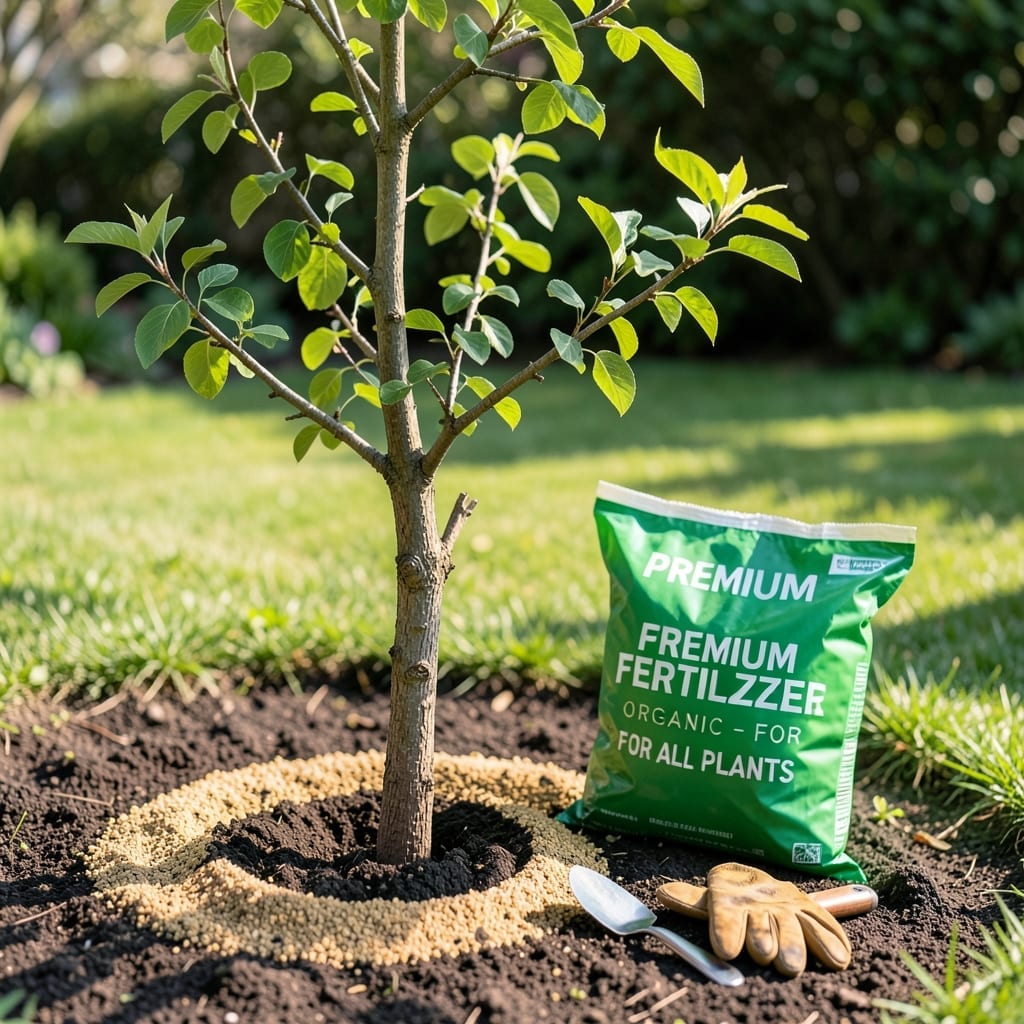
Timing your fertilizer application correctly can mean the difference between a thriving 🌳 Young Tree and one that struggles to establish roots.
Knowing the right moment ensures they get the nutrients they need without the risk of over-feeding or burning delicate root systems.
I’ve seen firsthand how proper timing transforms growth, and I’m here to share exactly when to act for the best results.
Let’s break down the seasonal cues and key strategies to help your Young Tree flourish from the start.
Timing is everything when it comes to fertilizing young trees. I always recommend focusing on early spring as your primary window, just as the tree begins to break dormancy and new growth starts to emerge.
The root system is most active during this period, allowing it to efficiently absorb nutrients from the fertilizer. This gives your tree the boost it needs to establish strong roots and healthy foliage.
| Season | Action | Key Benefit |
|---|---|---|
| Early Spring | Feed | Supports new growth and root development |
| Late Spring | Light Feed | Maintains steady growth without overstimulation |
| Summer | Light Feed | Sustains foliage health in heat |
| Fall | Skip | Prevents winter damage to new growth |
A late fall application can also be beneficial, but only if done 6 weeks before the first frost. This allows the tree to store nutrients for the winter without encouraging tender new growth that could be damaged by cold.
I’ve found that young trees respond best to slow-release fertilizers applied in early spring. This mimics the natural nutrient release in the soil and reduces the risk of burning the roots.
Avoid fertilizing during drought conditions or extreme heat. The tree’s root system may be stressed, and fertilizer can exacerbate this by drawing water away from the roots.
If you’re working with sandy soil, you might need to fertilize more frequently, as nutrients can leach out quickly. In contrast, clay soils hold nutrients longer, so less frequent applications are needed.
Remember, over-fertilizing can be just as harmful as under-fertilizing. Always follow the recommended application rates on the product label and consider getting a soil test to determine your tree’s specific needs.
Finally, water deeply after applying fertilizer to help it reach the root zone. This is especially important for young trees, which have developing root systems that may not extend far into the soil yet.
By following these guidelines, you’ll give your young tree the best start for a lifetime of healthy growth 🌳
Spotting nutrient deficiencies early can save your young tree from long-term stress. I look for yellowing leaves, stunted growth, or weak branches as red flags that it’s time to fertilize.
These signs often indicate a lack of essential nutrients like nitrogen, phosphorus, or potassium. A soil test can confirm what’s missing and help you choose the right fertilizer.
One of the biggest mistakes I see is over-fertilizing, which can burn roots and stunt growth. Always stick to the recommended application rates and timing.
Another common error is using the wrong fertilizer type. For example, high-nitrogen fertilizers promote leafy growth but may neglect root development, which is crucial for young trees.
Avoid fertilizing during drought conditions or extreme heat. The stress on the tree can make it unable to process nutrients effectively, and the fertilizer can even draw moisture away from the roots.
Finally, never fertilize dormant trees in late fall or winter. This can trigger new growth that won’t harden off in time for cold weather, leaving your tree vulnerable to winter damage. 🌳