
Beautiful Plants For Your Interior
Beautiful Plants For Your Interior
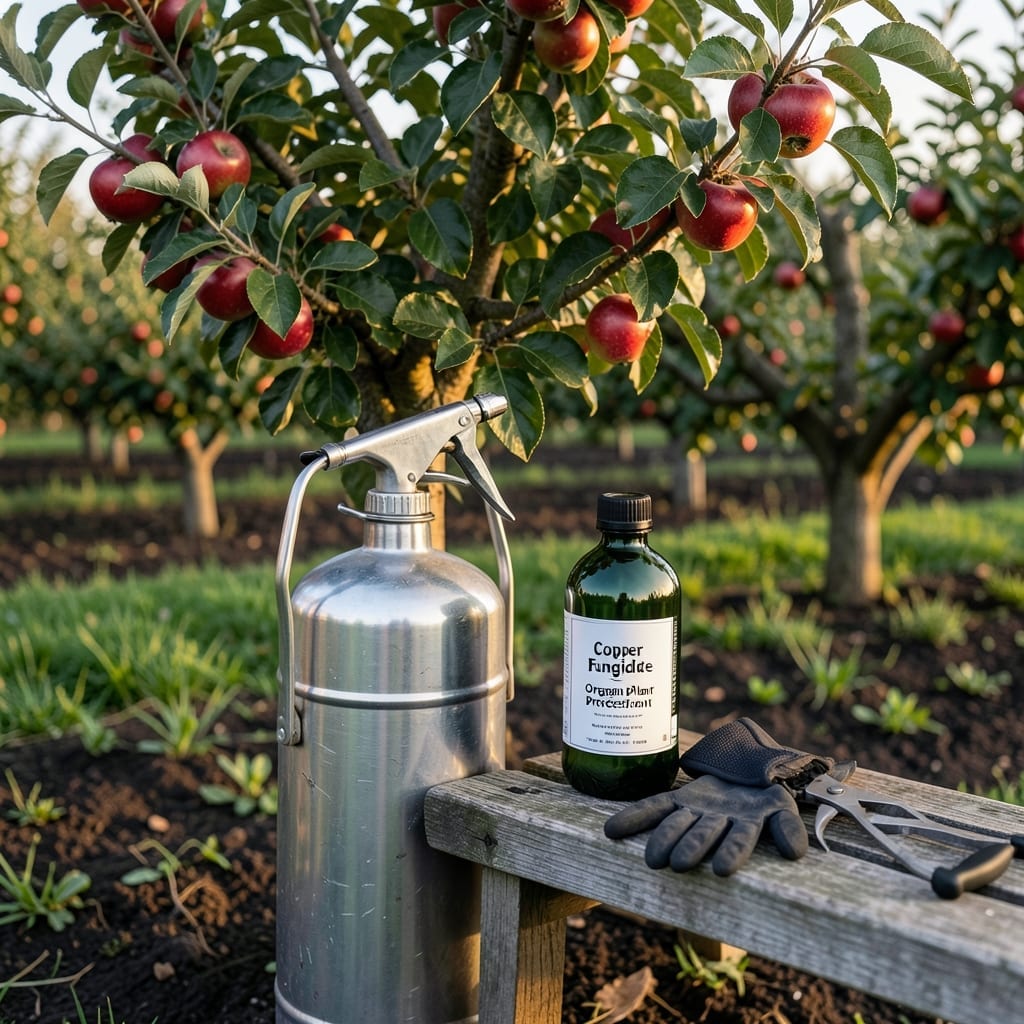
Timing is everything when it comes to protecting your 🌳 Fruit Trees from fungal diseases. Spraying copper fungicide at the right moment can mean the difference between a bountiful harvest and a season of lost fruit.
I’ve seen too many gardeners miss their window and pay the price later. The key is understanding when your trees are most vulnerable and when copper fungicide will be most effective.
Let me walk you through the best times to apply this treatment and the conditions that make it work. Your trees will thank you for getting this right.
Getting the timing right for copper fungicide can save your fruit trees from devastating fungal diseases. I always tell gardeners that the dormant season is your first window of opportunity.
Late winter or very early spring—before the buds begin to swell—is ideal. This is when the tree is still resting, and the fungicide can work without harming new growth.
| Season | Timing | Purpose |
|---|---|---|
| Dormant | Late winter | Prevent overwintering fungi |
| Pre-bloom | Early spring | Protect emerging buds |
| Post-harvest | Fall | Clean up after harvest |
The pre-bloom stage is another critical time. Just before those flower buds open, a light application can ward off brown rot and other early-season threats. It’s all about catching the disease before it starts.
After petal fall, you’ve got another window. This is when the tree shifts energy to fruit development, and fungi love to attack during this transition. A follow-up spray here can be a game-changer.
Don’t forget fall applications after harvest. This helps clean up any lingering spores and prepares your trees for winter dormancy. It’s like tucking them in with a protective blanket.
Weather plays a huge role too. Cool, dry conditions are perfect for spraying. Avoid applying copper fungicide right before rain—it’ll just wash away, wasting your effort and product.
If you’re dealing with wet spring weather, you might need to spray more frequently. Fungi thrive in moist environments, so staying ahead of the rain is key. I’ve found that a 7-10 day interval works well in these conditions.
For stone fruits like peaches and plums, timing is especially critical. These trees are highly susceptible to leaf curl and other fungal issues. A dormant spray followed by a pre-bloom application can make all the difference.
Remember, copper fungicide is a preventative, not a cure. Once you see signs of disease, it’s often too late. Staying on top of your spray schedule will keep your trees healthy and productive. 🌳
The effectiveness of your copper fungicide depends heavily on weather conditions and your tree’s growth stage. I’ve learned that timing it wrong can do more harm than good.
Temperature thresholds matter greatly. Applying copper fungicide when temps are below 40°F or above 85°F can reduce its effectiveness or even damage your trees.
Rainfall patterns are another critical factor. If heavy rain is forecast within 24 hours, hold off on spraying. The fungicide needs time to dry and adhere to the tree.
During bud swell, your trees are especially vulnerable. This is when fungal spores start becoming active, so a well-timed spray can stop diseases before they start. I always mark this stage on my calendar.
Leaf emergence is your cutoff point. Once those first green leaves appear, stop spraying copper fungicide. It can burn the new foliage and do more harm than good to your fruit tree.
For fruit development stages, be extra cautious. Copper can leave residues that might affect fruit quality. I recommend switching to a softer fungicide during this period if diseases are a concern.
Remember, your local microclimate may vary. Adjust these guidelines based on your specific conditions and always check the weather forecast before spraying. ✂️