
Beautiful Plants For Your Interior
Beautiful Plants For Your Interior
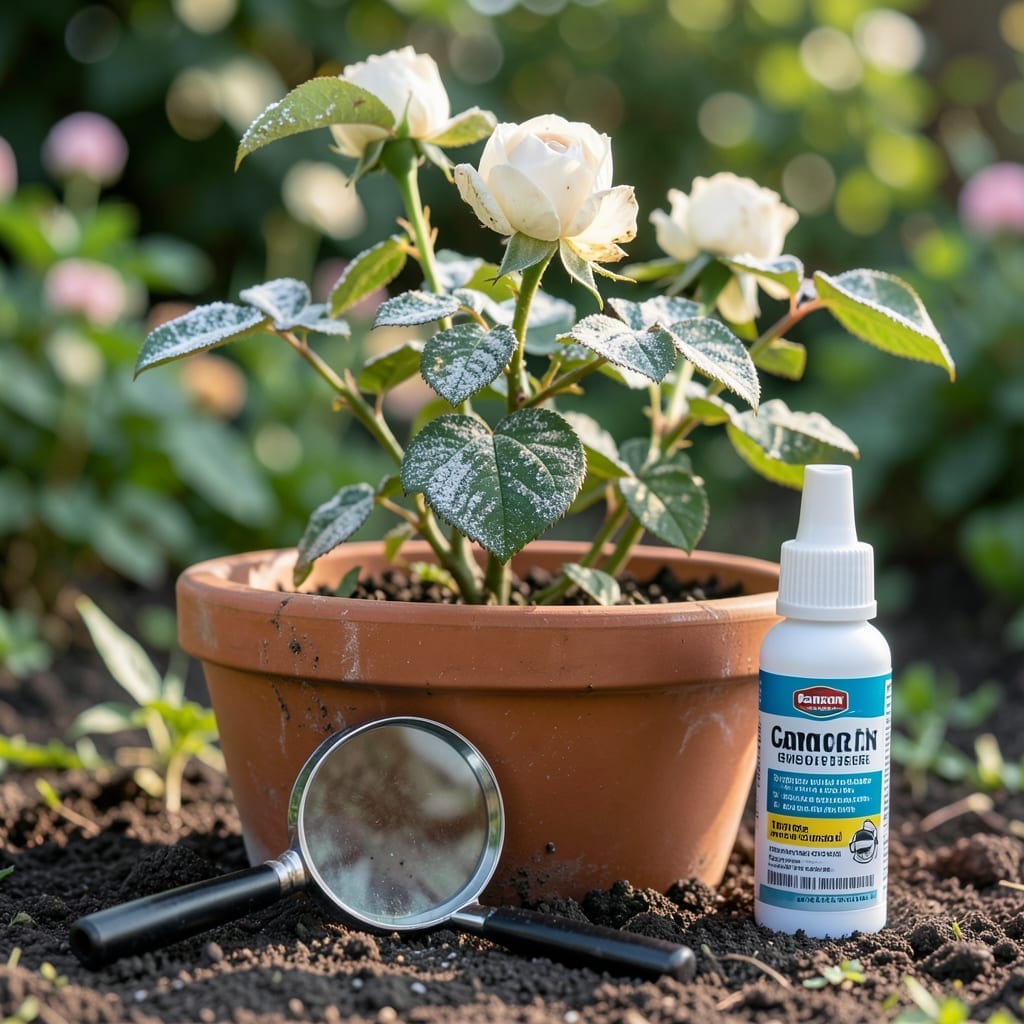
White spots on your plants or soil? I’ve seen this pop up overnight in my own garden—tiny, cottony, or powdery growth that spreads fast. It’s not always harmful, but some types can wreck your plants if ignored.
Most small white fungi thrive in damp, shady spots with poor air flow. Overwatering, thick mulch, or crowded plants create the perfect home for them. The good news: you can usually fix it without harsh chemicals.
Start by removing the worst of it with a paper towel, then improve airflow and cut back on water. A simple baking soda spray often stops it in its tracks.
Catch it early, and your garden will bounce back faster than you’d expect. Here’s how to spot the differences and treat them right.
Small white fungus in gardens or on plants typically appears due to environmental conditions and biological factors. Below are the most common causes, explained scientifically:
Overwatering or poor drainage creates a damp environment where fungal spores thrive. Fungi like Sclerotinia or Botrytis require high humidity (above 80%) to germinate and spread. Ensure soil has proper drainage and avoid overhead watering.
Temperatures between 60–80°F (15–27°C) combined with high humidity accelerate fungal growth. These conditions are ideal for saprophytic fungi, which decompose organic matter. Use mulch sparingly and improve air circulation to disrupt this environment.
Decaying leaves, wood, or plant material provide nutrients for fungi. Species like Marasmius feed on dead matter, spreading quickly in untidy gardens. Regularly remove fallen leaves and prune dead plant parts to starve the fungus.
Dense plantings or crowded garden beds trap moisture and limit airflow, fostering fungal infections. Thin out plants and space them appropriately to reduce humidity pockets where spores can settle.
Soil with excessive nitrogen or low phosphorus can weaken plants, making them more susceptible to fungal attacks. Test soil pH (ideal: 6.0–7.0) and amend with compost or balanced fertilizers to restore equilibrium.
Tackling small white fungus in your garden or home doesn’t have to be daunting. Below are practical, cause-specific solutions to restore health and prevent regrowth. Follow these steps for visible results. 🌱
Fix: Reduce watering frequency and ensure pots or garden beds have proper drainage. Use a well-draining soil mix with perlite or sand. If the fungus is on houseplants, repot in fresh, sterile soil and discard contaminated mix.
Prevention: Water only when the top inch of soil is dry. Use pots with drainage holes and avoid letting plants sit in saucers of water. 💡
Fix: Improve air circulation by spacing plants apart, pruning dense foliage, or using a small fan indoors. For outdoor gardens, thin out crowded areas to allow sunlight and air to penetrate.
Prevention: Keep humidity in check with a dehumidifier indoors or by watering early in the day so moisture evaporates quickly. Open windows or use vents to promote airflow. ✨
Fix: Remove fallen leaves, dead plant matter, and other organic debris where fungus thrives. Clean up mulch or compost piles if they show signs of white fungal growth.
Prevention: Regularly rake and dispose of yard waste. Avoid over-mulching, and turn compost piles frequently to prevent stagnation. 🎯
Fix: Apply a natural fungicide like neem oil, baking soda solution (1 tsp baking soda + 1 quart water + a few drops of dish soap), or a commercial fungicide labeled for white fungus. Spray affected areas thoroughly and repeat every 7–10 days until resolved.
Prevention: Isolate infected plants to prevent spreading. Sterilize gardening tools with rubbing alcohol after use, and avoid overhead watering to keep foliage dry. 🌡️
It depends on the type. Some are harmless decomposers, but others like powdery mildew can damage leaves and stunt growth. Remove it quickly if you notice wilting or yellowing nearby.
Improve airflow, reduce watering, and clean up organic debris regularly. A baking soda spray every 2 weeks can also help deter regrowth.
Yes, a diluted vinegar solution (1 part vinegar to 3 parts water) can work, but test on a small area first. It may harm sensitive plants if too strong.