
Beautiful Plants For Your Interior
Beautiful Plants For Your Interior
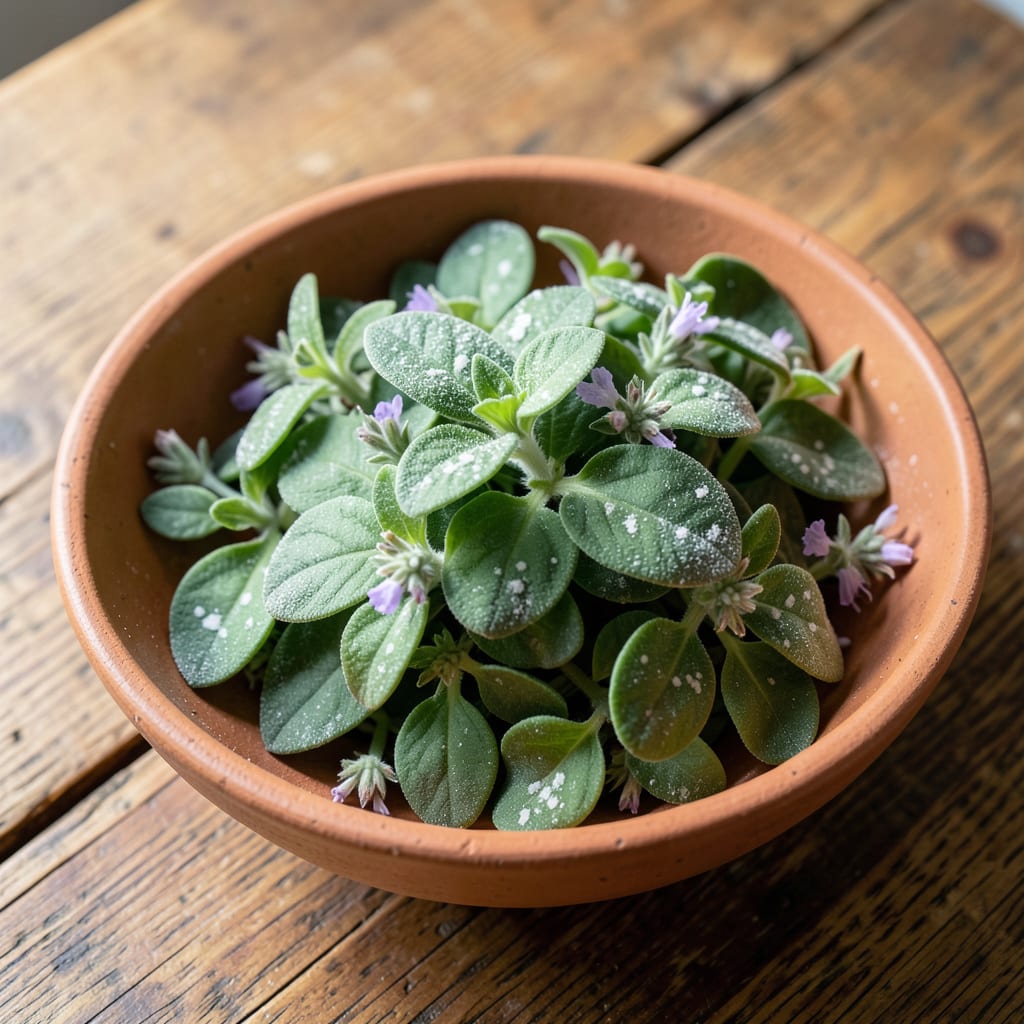
White spots on oregano leaves stopped me in my tracks last summer. Not again, I thought. Turns out, most cases trace back to just a few culprits that are easy to spot once you know what to look for.
I’ve dealt with powdery mildew, spider mites, and even sun scorch on my plants. Each leaves a distinct pattern—some look dusty, others speckled, a few even blistered. The good news is, they’re all fixable with simple, organic methods.
You’ll learn to tell the difference between pest damage and disease in 5 minutes flat. No fancy equipment needed—just a close look and a little know-how. Prevention is mostly about airflow and consistency.
Works for potted oregano on windowsills, garden beds, or patio containers. Here’s how to get your plants back to their vibrant green best.
White spots on oregano leaves can stem from several underlying issues, each with distinct triggers and symptoms. Understanding the why helps you address the problem effectively.
Powdery mildew is a common culprit, thriving in humid, poorly ventilated conditions. This fungus (Erysiphe spp.) coats leaves with a white, powdery layer as it spreads across the surface, blocking sunlight and weakening the plant. Overhead watering and crowded plantings exacerbate the issue by creating a damp microenvironment.
Spider mites and whiteflies often leave behind white stippling or spots as they feed on plant sap. Spider mites (Tetranychus spp.) create tiny, scattered dots, while whiteflies (Aleyrodidae) may deposit white, waxy residues or eggs on the undersides of leaves. These pests thrive in dry, hot environments, so stress from drought can make oregano more vulnerable.
Excessive sunlight or sunscald can cause bleached, white patches on leaves, especially in young or newly transplanted oregano. Similarly, nutrient deficiencies—particularly magnesium or iron—may manifest as interveinal chlorosis (white or yellow spots between veins). Poor soil drainage or pH imbalances (too acidic or alkaline) often trigger these deficiencies.
Overuse of neem oil or other horticultural oils can leave white residue if not properly diluted or rinsed. Additionally, splashing water with high mineral content (e.g., hard water) may deposit white calcium or magnesium spots on leaves over time.
Addressing white spots on oregano leaves depends on the underlying cause. Below are targeted fixes paired with prevention tips to keep your herbs healthy.
Fix: Mix 1 teaspoon of baking soda and a few drops of dish soap in a quart of water. Spray the solution on affected leaves weekly until the spots disappear. For severe cases, use neem oil (1 tablespoon per gallon of water) as a natural fungicide.
Prevention: Improve air circulation by spacing plants 12–18 inches apart. Water at the base in the morning so leaves dry quickly. Avoid overhead watering.
Fix: Blast pests off with a strong stream of water, then apply insecticidal soap (1 tablespoon per quart of water) or introduce beneficial insects like ladybugs. For stubborn infestations, use horticultural oil.
Prevention: Inspect plants regularly, especially the undersides of leaves. Encourage natural predators by planting companion flowers like marigolds.
Fix: Stop watering immediately and let the soil dry out. Repot oregano in well-draining soil mixed with perlite or sand if the roots are soggy. Trim any blackened or mushy roots before repotting.
Prevention: Use containers with drainage holes and water only when the top inch of soil is dry. Oregano thrives in slightly dry conditions.
Fix: Move potted oregano to a shadier spot or provide temporary shade cloth during peak afternoon heat. Trim severely damaged leaves to redirect energy to healthy growth.
Prevention: Acclimate plants gradually to full sun. In extreme heat, ensure consistent moisture (but not sogginess) to reduce stress.
💡 Pro Tip: Always test sprays on a small area first to avoid damaging sensitive leaves. Rotate treatments to prevent resistance in pests or fungi.
Yes, fungal issues like powdery mildew can spread quickly in humid conditions. Isolate affected plants and improve airflow immediately.
Not always. They can also come from pests, sunburn, or even hard water deposits. Check leaf undersides for bugs or sticky residue first.
Baking soda sprays may show improvement in 3-5 days, while neem oil can take 1-2 weeks for full effect. Consistency is key.
Remove severely damaged leaves to prevent spread, but leave mildly affected ones if the plant is otherwise healthy. Sterilize pruners between cuts.
