
Beautiful Plants For Your Interior
Beautiful Plants For Your Interior
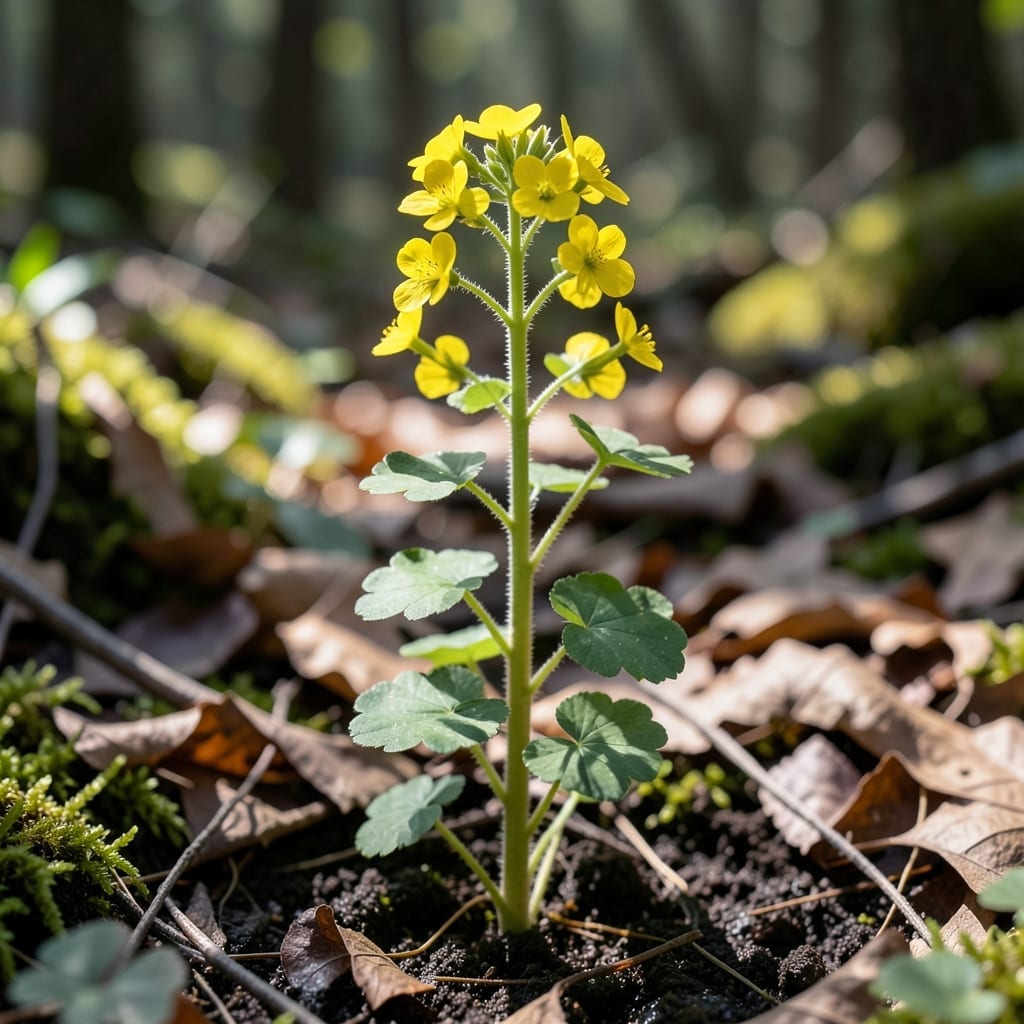
That bright little yellow flower popping up in your lawn isn’t just a weed—it’s slender yellow woodsorrel, and I’ve learned it’s both edible and useful in the right hands.
This plant thrives in disturbed soil and sunny spots, spreading quickly if left unchecked. With a little attention, you can manage it organically while enjoying its tangy leaves in salads. It’s surprisingly versatile once you know how to handle it.
📚 In This Guide
This method helps you spot the plant accurately and manage it without harming your garden ecosystem.
Look for small, clover-like leaves with three heart-shaped leaflets that fold inward at night or when touched. The leaves are typically bright green to yellowish-green and have a slightly sour taste when chewed.
Slender yellow woodsorrel also produces tiny yellow flowers with five petals that bloom in late spring through fall. The stems are thin, often reddish, and can grow up to 12-18 inches tall in favorable conditions.
Check the root system—it’s shallow but spreading, with small white roots that form a mat just below the soil surface. This helps distinguish it from similar-looking plants like clover or oxalis.
This plant thrives in disturbed soils, such as garden beds, lawns, or along pathways. It prefers full sun to partial shade and often appears in areas with poor or compacted soil.
Watch for its behavior: slender yellow woodsorrel spreads quickly via seeds and creeping roots, forming dense patches that can outcompete weaker plants. It’s most visible in early spring when other plants are still dormant.
If you see it popping up in cracks in pavement or between patio stones, that’s another strong indicator—it’s highly adaptable to urban environments as well as rural ones.
For small patches, hand-pulling is effective if done consistently. Grasp the base of the plant and pull gently but firmly to remove the entire root system. Since the roots are shallow, this is easier than with deeper-rooted weeds.
Work when the soil is moist, such as after a rain, to make pulling easier and reduce the chance of breaking the roots. Remove the plants before they set seed to prevent further spread.
Dispose of pulled plants in a sealed bag or compost pile that reaches high temperatures—this ensures seeds and roots don’t reinfest your garden.
Apply a 2-3 inch layer of organic mulch, such as wood chips or straw, to garden beds. This blocks sunlight from reaching the soil, which suppresses weed germination and growth.
Mulch also improves soil health over time, which can help more desirable plants outcompete slender yellow woodsorrel. Reapply mulch as needed to maintain the recommended depth.
In lawns, maintain a thick, healthy turf through proper mowing, watering, and aeration. A dense lawn naturally resists weed invasion, including this one.
Corn gluten meal is a natural pre-emergent herbicide that prevents weed seeds, including slender yellow woodsorrel, from germinating. Apply it in early spring before weed seeds begin to sprout.
Use 20 pounds per 1,000 square feet for effective control. Water the area lightly after application to activate the corn gluten meal. Avoid using it where you plan to sow seeds, as it will prevent those from germinating as well.
Reapply in the fall for continued suppression. This method is safe for use around children, pets, and beneficial insects, making it an ideal organic solution.
Small details make the difference between temporary fixes and lasting results.
Identification Insight: Confession: I used to confuse this with clover until I noticed the heart-shaped leaflets with that tiny notch at the base. The bright yellow five-petaled flowers in late spring are your clearest confirmation—look closely, as the cupped shape is distinctive.
Timing Matters: Pull plants when soil is moist, as Step 3 suggests. Here’s what nobody tells you—dry soil causes roots to snap, leaving fragments that regrow. I learned this the hard way after three failed removal attempts.
Mulch Strategy: The 2-3 inch layer in Step 4 isn’t arbitrary. Less than 2 inches lets light through, and seeds will germinate. More than 3 inches can smother beneficial plants. I refresh every 4-6 weeks as directed, and it’s made a noticeable difference in seed suppression.
Persistence Pays Off: Step 5’s weekly monitoring sounds tedious, but those dormant seeds can wait years to sprout. I mark trouble spots with flags, and after 2-3 seasons of this routine, the infestation significantly decreased in my garden beds.
Yes! This bright, tangy weed is edible and rich in vitamin C. Its leaves and flowers can be eaten raw in salads or cooked like spinach. Just ensure it’s free from pesticides and harvested from clean areas. Avoid excessive consumption, as it contains oxalates.
Look for small, yellow, 5-petaled flowers and clover-like leaves with heart-shaped leaflets. The stems are slender and often reddish. It thrives in gardens, lawns, and disturbed soils.
Early spring or fall is ideal for removal, before it flowers and spreads seeds. Pull it by hand or hoe it out while the soil is moist for easier extraction.
Mulching with organic material, hand-pulling, or using vinegar-based herbicides can help. Regular mowing also prevents seeding. Avoid chemical herbicides if you want to keep the area organic.
Slender yellow woodsorrel has a deep taproot and spreads via seeds. To prevent regrowth, remove the entire root system and dispose of it properly. Consistent weeding is key!