
Beautiful Plants For Your Interior
Beautiful Plants For Your Interior
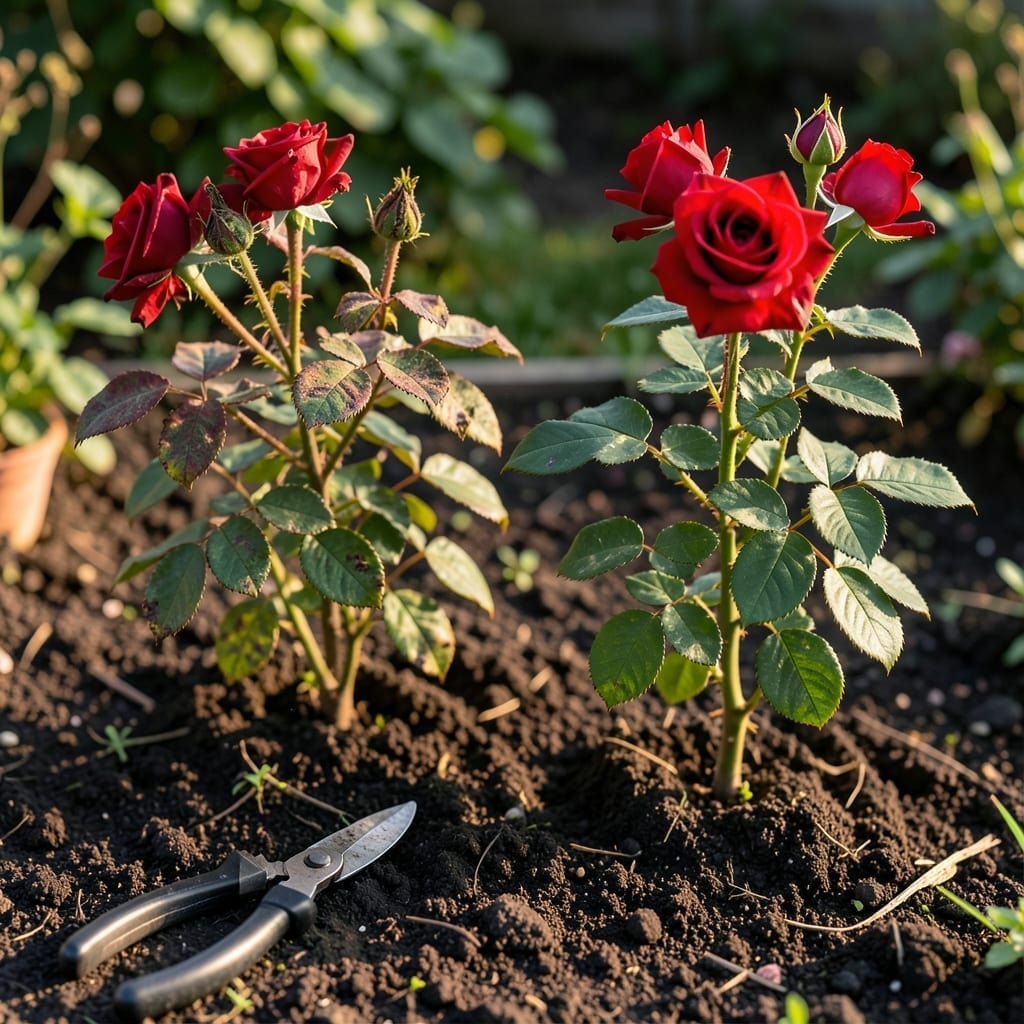
Your beautiful 🌹 roses could be at serious risk without you even realizing it. This silent threat spreads quickly, often going unnoticed until it’s too late.
I’ve seen firsthand how devastating this can be for gardeners who pour their heart into their blooms. The good news? There are simple steps you can take to protect your plants.
Discover the proactive measures that will safeguard your garden and keep your roses thriving all season long.
I know how heartbreaking it can be to see your rose bushes suffering from an invisible enemy. Rose rosette disease starts with subtle signs that are easy to overlook.
As someone who’s battled this in my own garden, I’ve learned that early detection is your best defense. The sooner you spot the symptoms, the better your chances of saving your plants.
| cell” style=”color:#6fd544;border:1px solid #6fd544;”>Description | |
| row”> | cell” style=”color:#6fd544;border:1px solid #6fd544;”>Red or yellow leaves that appear twisted |
| row”> | cell” style=”color:#6fd544;border:1px solid #6fd544;”>Plant fails to grow normally |
One of the first things I notice in infected roses is witches’ broom, where you see an unusual cluster of growth. This is often mistaken for new healthy growth, but it’s a red flag.
Another telltale sign is distorted leaves. They might turn red or yellow and look twisted or malformed. If your roses start looking like they’ve been through a windstorm, it’s time to investigate.
You might also see excessive thorns appearing on the stems and even the leaves. These aren’t your typical hard thorns—they’re often soft and red, which is unusual for healthy roses.
Lastly, stunted growth is a common symptom. If your rose bush isn’t growing as it should, or if some branches look weak while others seem fine, this disease could be the culprit.
I always recommend inspecting your roses regularly, especially during the growing season. The earlier you catch these signs, the better your chances of stopping the spread of the disease.
Remember, these symptoms can sometimes mimic other issues like nutrient deficiencies or pest damage. That’s why it’s important to look for multiple signs before jumping to conclusions.
If you suspect rose rosette disease, isolate the plant immediately to prevent it from spreading to your other roses 🌹
Preventing rose rosette disease starts with smart gardening practices. I’ve found that resistant rose varieties like Knock Out roses are a great first line of defense against this devastating virus.
Another key strategy is maintaining proper pruning hygiene. Always sterilize your tools between cuts with rubbing alcohol to avoid spreading the disease inadvertently.
I always recommend controlling mite populations, as these tiny pests are the primary carriers of the virus. Regular applications of neem oil or insecticidal soap can work wonders.
Don’t overlook the importance of garden sanitation. Remove any wild roses or multiflora roses from the vicinity, as they often harbor the disease and can spread it to your cultivated varieties.
Regular inspection of your plants is crucial. I check my roses weekly during the growing season for any signs of trouble, paying special attention to new growth.
Remember, prevention is always easier than treatment. By implementing these strategies, you’ll significantly reduce the risk of rose rosette disease taking hold in your garden 🌹