
Beautiful Plants For Your Interior
Beautiful Plants For Your Interior
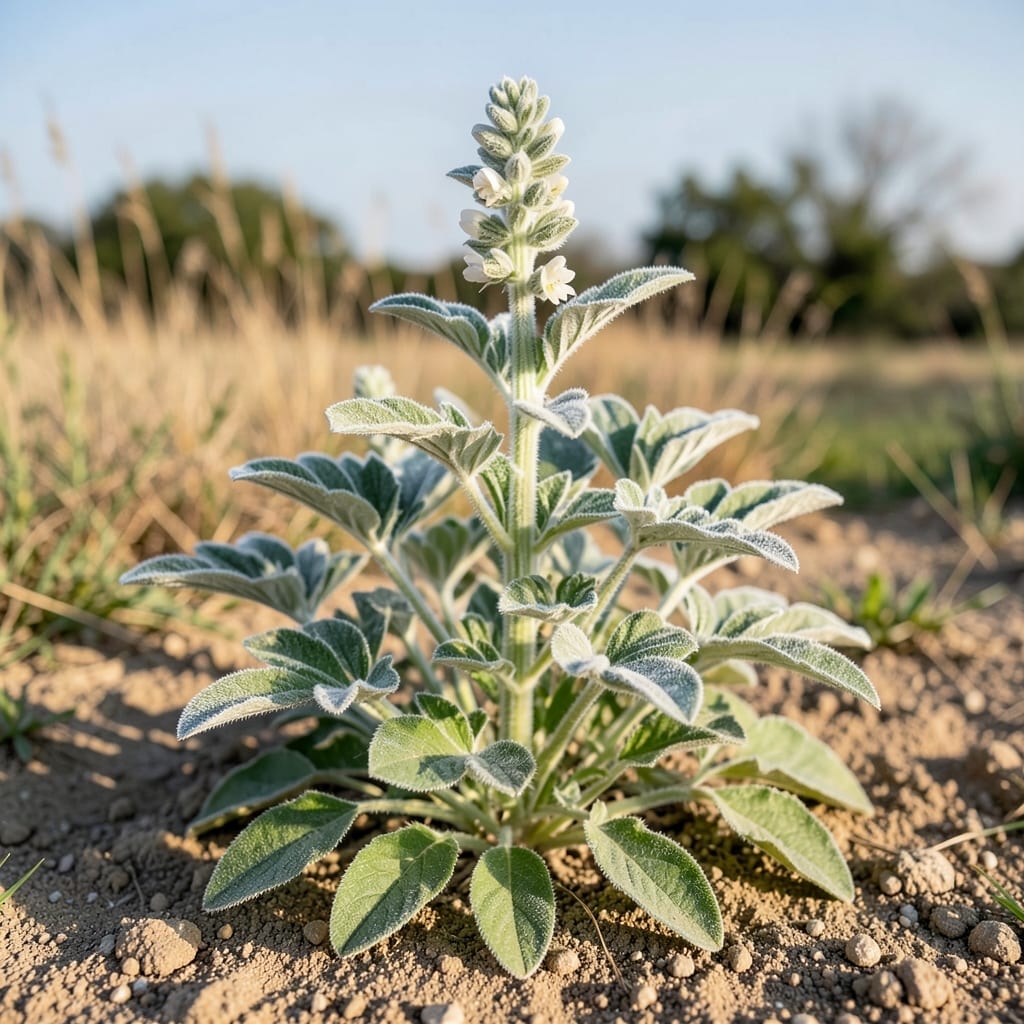
Silver lupine leaves caught my eye years ago with their striking silvery sheen and palmate shape. But here’s the thing—those beautiful leaves hide a toxic secret that demands respect in any garden.
I learned the hard way that proper placement and careful handling are non-negotiable. Full sun and well-drained soil keep them thriving, while gloves become essential when working around the foliage. The payoff is a drought-tolerant plant that transforms any border.
📚 In This Guide
These practical insights will help you handle this plant safely and effectively.
Identification Precision: In Step 1, pay special attention to the 5-9 leaflets radiating from a central point. The velvety texture from fine hairs is a dead giveaway, but the real test is checking the underside for that consistent silvery hue. I’ve found that new gardeners often miss this detail and confuse it with harmless lookalikes.
Gear Discipline: For Step 2, never skip the nitrile gloves and long sleeves, even for quick tasks. The alkaloids can linger on tools and clothing, so I designate a specific pair of pruners and gloves solely for handling toxic plants. Wash them separately with soap and water after each use.
Disposal Safety: Step 3’s double-bagging method isn’t just caution—it’s necessity. Alkaloids persist through composting, and wind can carry seeds surprisingly far. If burning isn’t permitted locally, seal the bags tightly and dispose of them with household trash, not yard waste.
Regrowth Vigilance: In Step 4, the 12-18 inches deep root system means shallow pulling won’t cut it. Use a trowel to dig around the base, and check the area weekly—silver lupine can sprout from the tiniest root fragment left behind.
Yes, silver lupine leaves contain alkaloids that can be toxic if ingested. Keep children and pets away, and wear gloves when handling to avoid skin irritation.
Wear protective gloves and long sleeves, then pull plants by the roots. Dispose of them in sealed bags to prevent regrowth or accidental contact.
Early spring or fall is ideal, as plants are actively growing. Treat before they flower and spread seeds to control their population effectively.
Consider planting native wildflowers like coneflowers, bee balm, or milkweed. These attract pollinators without the toxicity risks of silver lupine.
Silver lupine may release allelopathic chemicals that inhibit nearby plant growth. Remove it promptly to protect your garden’s health.