
Beautiful Plants For Your Interior
Beautiful Plants For Your Interior
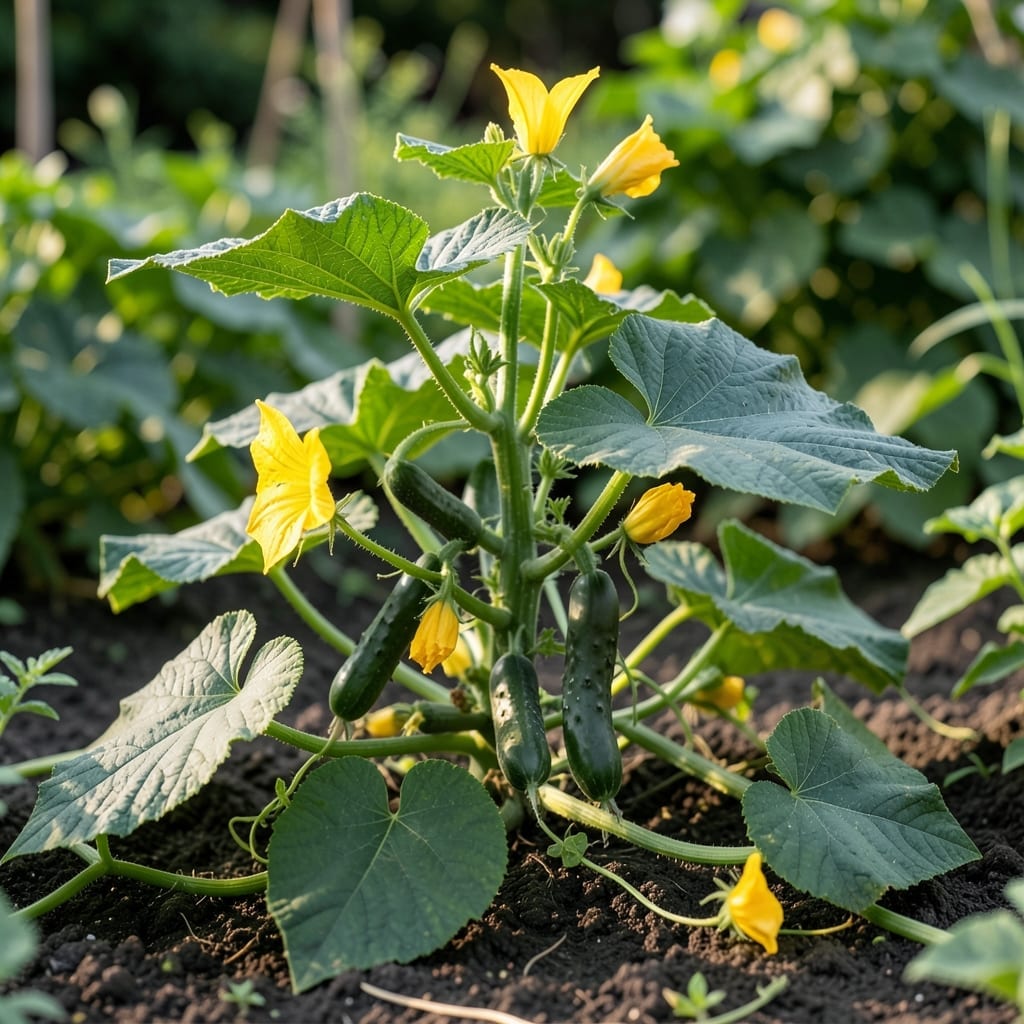
I first spotted these cheerful yellow orbs in a neighbor’s garden and couldn’t look away. Round cucumbers bring something special to the vine—bright color, sweet flavor, and a shape that’s pure fun to grow.
The vines demand the same care as standard varieties: warm soil, consistent moisture, and a trellis to climb. With the right conditions, you’ll harvest these sweet surprises all summer long.
📚 In This Guide
These vine-focused techniques consistently produce vigorous, productive plants with minimal stress.
Choose a location with full sun exposure and well-draining soil. Round yellow cucumbers thrive in warm conditions, so aim for a spot that receives at least 6-8 hours of direct sunlight daily. Avoid low-lying areas prone to waterlogging, as soggy roots will stunt growth and invite disease.
Amend the soil with 2-3 inches of aged compost worked into the top 6-8 inches of the bed. This improves fertility and drainage while providing the nutrients needed for healthy vine development. Test soil pH—cucumbers prefer a slightly acidic to neutral range between 6.0 and 6.8.
Sow seeds 1 inch deep and 12-18 inches apart in rows spaced 3-4 feet apart. If using transplants, set them slightly deeper than their original container to encourage strong root establishment. Space is critical—crowded vines compete for light and air, leading to weak growth and disease.
Water the area gently but thoroughly after planting to settle the soil around the roots. Keep the soil consistently moist but not waterlogged during germination, which typically takes 7-14 days at 70-85°F. Watch for the first true leaves as your signal that roots are established.
Round yellow cucumbers benefit from vertical support, which improves air circulation and reduces disease pressure. Install a sturdy trellis, cage, or 5-6 foot tall stakes at planting time to avoid disturbing roots later. Train young vines onto the structure as soon as they reach 6-8 inches long.
Secure vines loosely with soft ties or twine, allowing room for expansion. Vertical growth keeps fruit off the ground, preventing rot and making harvest easier. You’ll notice vines begin climbing within 1-2 weeks of training if conditions are ideal.
Cucumbers are 90% water, so consistent moisture is key to preventing bitter fruit. Water deeply at the base 2-3 times per week, ensuring the top 1-2 inches of soil stay evenly moist. Avoid wetting the leaves to reduce fungal disease risk—use a soaker hose or drip irrigation for best results.
Feed plants with a balanced, water-soluble fertilizer every 2-3 weeks once vines begin running. Reduce nitrogen slightly as fruit sets to encourage more blooms and cucumbers. Yellowing leaves or stunted growth often signal nutrient deficiency or inconsistent watering.
Inspect vines weekly for common pests like cucumber beetles or aphids, which can stunt growth and spread disease. Remove pests by hand or use neem oil in the early morning or late evening to avoid harming pollinators. Healthy vines resist infestations better, so prioritize strong growth from the start.
Begin harvesting round yellow cucumbers when they reach 2-3 inches in diameter and have a firm, smooth texture. Use a sharp knife or pruners to cut the stem cleanly, avoiding damage to the vine. Regular picking encourages continued production—expect 4-6 fruits per plant weekly at peak harvest.
These vine-focused techniques will help you achieve the healthiest, most productive plants with minimal effort.
Sunlight Optimization: In Step 1, the 6-8 hours of direct sunlight daily requirement isn’t just a suggestion—it’s critical for photosynthesis and fruit development. I’ve found that morning sun is particularly beneficial as it dries dew quickly, reducing disease risk. If your garden has partial shade, prioritize morning exposure over afternoon.
Soil Preparation Insight: When amending soil in Step 1 with 2-3 inches of aged compost, work it into the top 6-8 inches thoroughly. The compost not only adds nutrients but also improves soil structure, which is especially important for cucumbers’ shallow root systems. Test your soil pH between 6.0 and 6.8—this range optimizes nutrient availability.
Spacing Strategy: The 12-18 inches apart spacing in Step 2 might seem generous, but it’s essential for air circulation. Crowded plants create a humid microclimate that invites fungal diseases. If space is limited, consider using the vertical trellis method from Step 3 to maximize your area while maintaining proper plant spacing.
Watering Wisdom: For the 2-3 times per week watering schedule in Step 4, consistency is more important than frequency. Cucumbers are 90% water, so deep watering that reaches the root zone is better than frequent shallow watering. Use your finger to check moisture at the 1-2 inches depth—if it’s dry, it’s time to water.
Round yellow cucumbers often result from poor pollination, overripe fruit, or certain viral infections like cucumber mosaic virus. Ensure healthy pollination and monitor for disease signs early.
Improve pollination by attracting bees or hand-pollinating. Maintain consistent watering, avoid over-fertilizing, and inspect plants regularly for pests or diseases.
If the cause is overripeness, they’re safe but may taste bitter. If due to disease (e.g., mosaic virus), avoid eating them to prevent potential health risks.
Try disease-resistant cucumber varieties like ‘Straight Eight’ or ‘Marketmore 76’. Companion planting with marigolds can also deter pests and improve growth.
Check for uneven watering, nutrient deficiencies, or pest damage. Remove affected fruit, prune damaged leaves, and apply organic fungicides if fungal infections are suspected.