
Beautiful Plants For Your Interior
Beautiful Plants For Your Interior
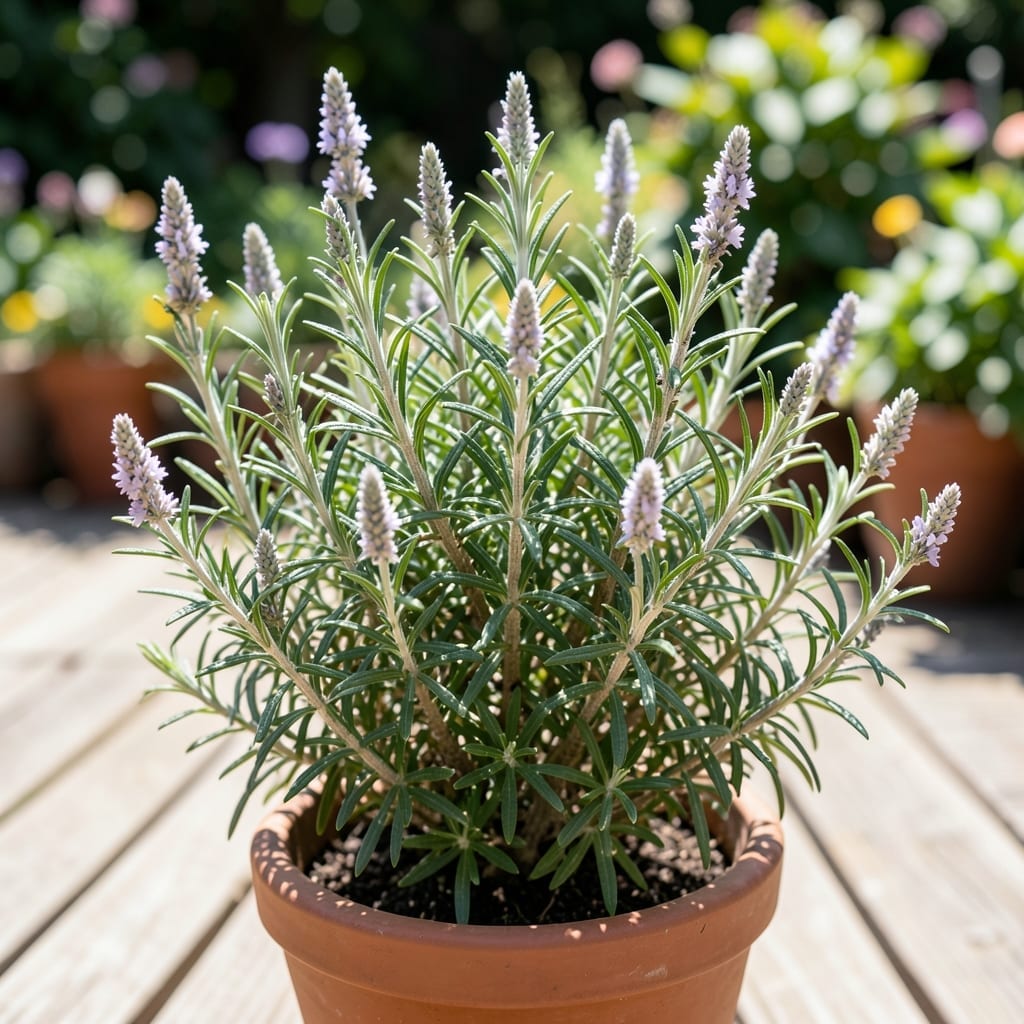
This salvia changed my dry, sunny border completely. White Profusion handles heat and drought like a champ while attracting bees and butterflies all summer long.
Once established, it needs almost no care—just well-draining soil and full sun. You’ll get months of pure white blooms with minimal effort, even in tough conditions.
📚 In This Guide
Here’s the method I’ve refined for establishing vibrant, pollinator-loving plants with minimal fuss and maximum resilience.
Choose a site with full sun exposure, as this variety thrives in at least 6-8 hours of direct sunlight daily. Avoid low-lying areas where water pools, as Salvia roots rot easily in soggy conditions. I always test drainage by digging a 1-foot deep hole, filling it with water, and ensuring it drains within 1-2 hours.
If your soil is heavy clay, amend it with compost to improve structure. The goal is well-draining soil that retains just enough moisture to sustain the plant between waterings. A slight slope or raised bed works even better for water management.
Loosen the soil to a depth of 12-15 inches using a garden fork or tiller, breaking up any compacted layers. Mix in a 2-3 inch layer of organic matter, such as compost or aged manure, to boost fertility and drainage. This species prefers slightly acidic to neutral soil, so if your pH is above 7.0, incorporate a bit of sulfur or peat moss.
Space plants 18-24 inches apart to allow for air circulation and mature growth. Crowding leads to humidity buildup and increased disease risk. Mark your planting spots with stakes to visualize the layout before digging.
Dig a hole twice as wide and just as deep as the root ball. Gently remove the plant from its container, loosen any circling roots, and place it in the hole so the top of the root ball sits level with the surrounding soil. Backfill with native soil, pressing lightly to eliminate air pockets.
Water deeply immediately after planting, providing 1-2 inches of water to settle the soil around the roots. This encourages the plant to establish quickly. However, do not water again until the top 1-2 inches of soil feels dry—overwatering at this stage is the most common mistake.
Once established, this drought-tolerant perennial requires minimal irrigation. Water deeply but infrequently, aiming for 1 inch per week during the first growing season. After that, supplemental watering is rarely needed unless you experience a prolonged dry spell.
Apply a 2-3 inch layer of mulch around the base of the plant to retain moisture and suppress weeds. Avoid piling mulch against the stem, as this can promote rot. Prune spent flower spikes to encourage continuous blooming and maintain a tidy appearance.
Fertilizing is optional but can be beneficial in poor soils. Use a balanced, slow-release fertilizer in early spring, following package instructions. Over-fertilizing leads to excessive foliage growth at the expense of flowers.
A few thoughtful adjustments will help your White Profusion thrive with minimal effort.
Sunlight Priority: The 6-8 hours of daily direct sunlight isn’t just a suggestion—it’s essential for maximum flowering. I’ve found that morning sun is fine, but afternoon rays pack the real punch for bloom production. If your space only gets partial sun, expect fewer flowers but still enjoy the drought tolerance.
Drainage Test: That 1-hour drainage test in Step 1 is non-negotiable. After digging my 12-inch-deep hole and watching water disappear in exactly 1 hour, I learned that even slightly slower drainage can spell doom for salvia roots. Raised beds solve this instantly if your soil fails the test.
Planting Depth: In Step 2, placing the root ball slightly above soil level prevents the settling that suffocated my first few plants. The 18-24 inches spacing gives each plant room to breathe while creating that lush, full look we all love.
Watering Wisdom: During those critical first 2-3 weeks mentioned in Step 3, I set a phone reminder to check soil moisture at the 1-2 inch depth. The wilting test works perfectly—leaves that recover by evening mean you’re nailing the balance between drought tolerance and establishment needs.
This drought-tolerant plant thrives with minimal watering. Aim for deep watering once a week, allowing the soil to dry out between sessions. Overwatering can lead to root rot, so err on the side of caution!
Plant in early spring after the last frost, or in fall for milder climates. This gives roots time to establish before extreme heat or cold. Avoid planting in peak summer.
Try Salvia ‘Black and Blue,’ Lavender, or Russian Sage for similar drought-resistant, pollinator-friendly options. Each offers unique colors and fragrances.
Lack of sunlight or over-fertilizing (especially with high-nitrogen mixes) can delay blooms. Ensure 6+ hours of sun daily and use a balanced, low-nitrogen fertilizer if needed.