
Beautiful Plants For Your Interior
Beautiful Plants For Your Interior
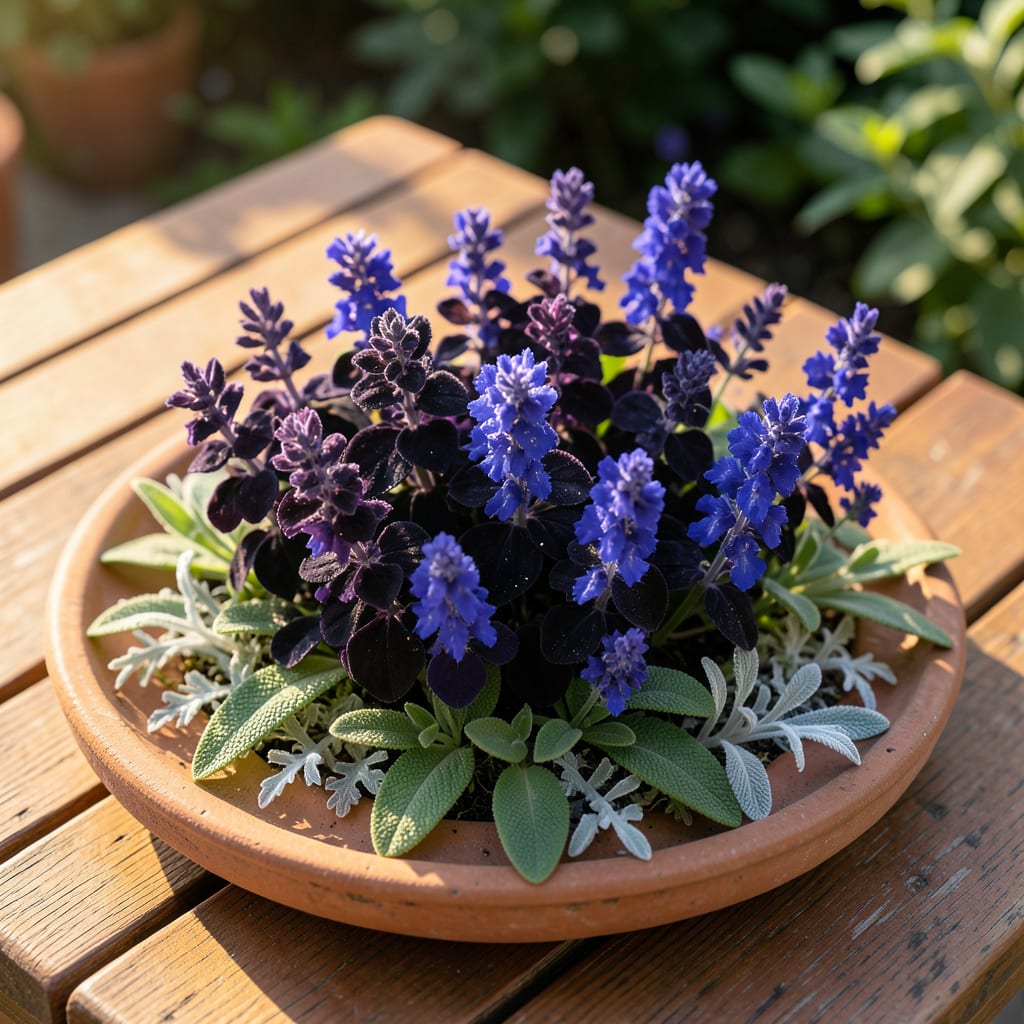
Black and blue salvias bring that hummingbird magnet energy to any garden. I’ve grown these stunners for years, and they’re the most reliable summer bloomers I’ve found.
They thrive in full sun with well-draining soil and minimal fuss. Give them a trim after each bloom cycle, and they’ll reward you with vibrant purple and black flowers from June through frost. Here’s how to keep them flourishing.
📚 In This Guide
Here’s the method I rely on to keep these stunning plants thriving with minimal effort.
Place your salvias where they’ll receive full sun for at least 6-8 hours daily. These plants are sun-worshippers and will produce the most vibrant flowers with abundant light. If you’re in an extremely hot climate, afternoon shade can help prevent leaf scorch, but don’t sacrifice too much sun.
Watch for signs of insufficient light—stretched stems, pale leaves, or reduced flowering. The leaves should maintain their deep green color and the plant should maintain a compact, bushy shape when light conditions are ideal.
Water deeply once the top 1-2 inches of soil feels dry to the touch. Salvias are somewhat drought-tolerant once established, but they bloom best with regular moisture. I check mine every 2-3 days during hot weather, as the soil can dry out quickly in containers.
Avoid getting the foliage wet, especially in the evening. Water at the base of the plant to keep leaves dry and prevent fungal issues. You’ll know you’re watering correctly when the soil stays evenly moist but never soggy.
Apply a balanced, water-soluble fertilizer every 4-6 weeks during the growing season. I use half the recommended strength to avoid overfeeding, which can lead to excessive foliage at the expense of flowers. The plants will respond with a flush of new growth within days.
Stop fertilizing in late summer to allow the plants to prepare for dormancy. You’ll notice the flowering slows naturally as days get shorter, which is completely normal.
Deadhead spent blooms regularly to encourage continuous flowering. When 70% of the flowers on a spike have faded, cut the entire stem back to the next set of leaves. This prevents seed formation and redirects the plant’s energy into producing more blooms.
For a major shape-up, prune the entire plant back by one-third in early summer if it’s becoming leggy. This rejuvenation cut will produce a bushier plant with more flower spikes. Always use clean, sharp pruners to make precise cuts.
In zones where salvias are perennial, cut them back to 6 inches above ground after the first hard frost. This removes dead growth and helps prevent disease. I add a 2-inch layer of mulch around the base to protect the roots from freezing temperatures.
In colder climates where they’re grown as annuals, you can try overwintering potted plants indoors. Place them in a cool, bright location and reduce watering significantly. They’ll go semi-dormant and can be planted out again in spring.
Small adjustments can make a big difference in keeping these plants healthy and blooming.
Light Optimization: That 6-8 hours of daily sun is non-negotiable for vibrant blooms. If your plants start stretching toward the light or developing pale leaves, they’re begging for more sunlight. I’ve found that morning sun with some afternoon shade works best in scorching climates, but don’t let them get less than 6 hours total.
Watering Wisdom: The 2-3 day checking schedule during hot weather is crucial—containers dry out faster than you think. When testing the top 1-2 inches of soil, use your finger, not just a visual check. The soil should feel dry to the touch, not just look dry. And always water at the base to keep those leaves dry and healthy.
Fertilizing Finesse: That 4-6 week fertilizer schedule during growing season keeps them blooming continuously. I learned the hard way that overfeeding leads to lots of leaves but fewer flowers. Stick to half-strength as suggested, and don’t be tempted to feed more often—your plants will reward you with better blooms.
Pruning Perfection: The 70% faded rule for deadheading is your key to continuous flowers. Don’t wait until all blooms are spent, and always cut back to the next set of leaves. For that one-third pruning in early summer, be bold—it looks drastic at first, but you’ll be amazed at how quickly they bounce back bushier than ever.
Water deeply once a week, allowing the soil to dry slightly between waterings. In hot climates, increase to twice weekly. Avoid soggy soil, as salvias prefer well-draining conditions.
Prune in early spring to remove dead growth and shape the plant. Light trimming after each bloom cycle encourages continuous flowering. Avoid heavy pruning in late fall.
Yes! Use a large pot with drainage holes and well-draining soil. Containers allow you to move the plant to optimal sunlight (6+ hours daily) and protect it from harsh weather.
Yellow leaves often indicate overwatering or poor drainage. Check soil moisture and ensure the pot or bed has proper drainage. Nutrient deficiencies or pests may also be the cause.
Pair with drought-tolerant plants like lavender, coneflowers, or Russian sage. These companions share similar care needs and create a stunning, low-maintenance garden display.
