
Beautiful Plants For Your Interior
Beautiful Plants For Your Interior
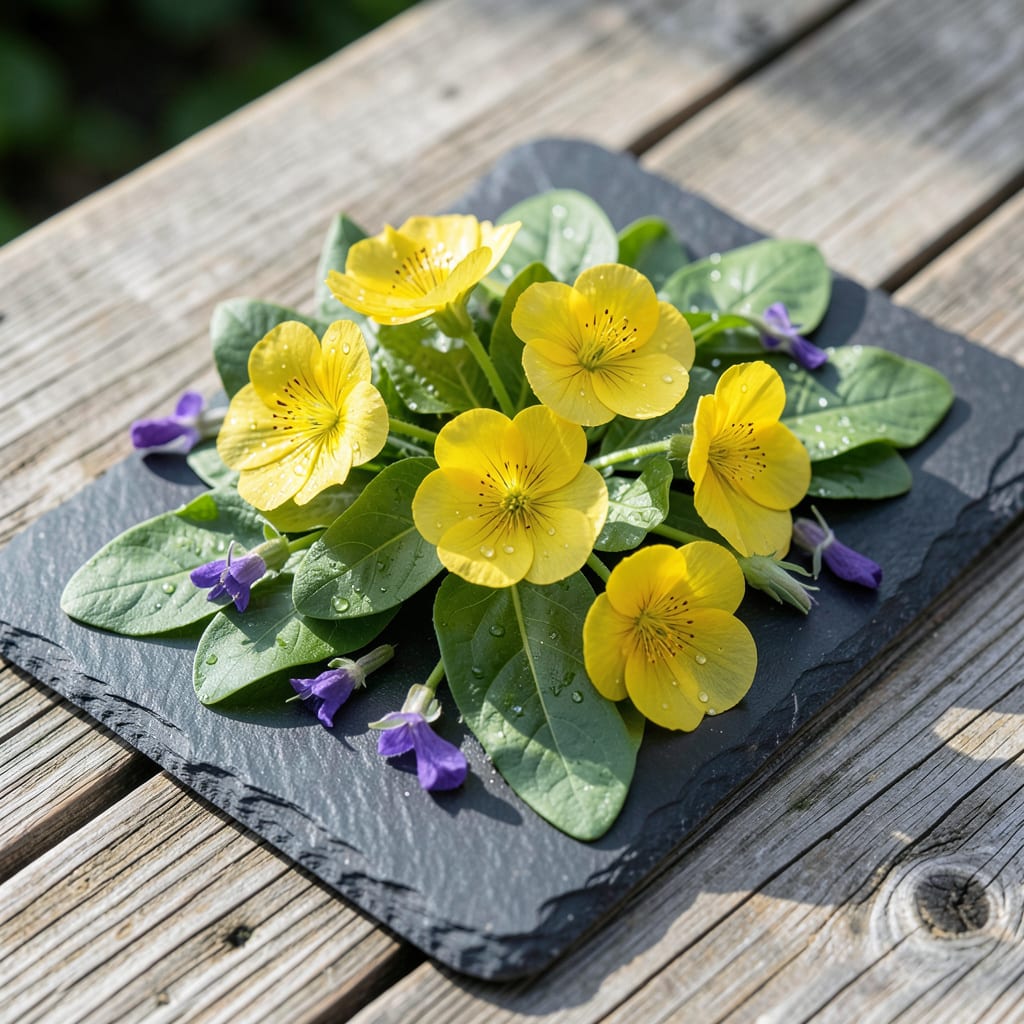
That little yellow flower popping up everywhere isn’t just annoying—it’s stealing nutrients from your grass. I’ve battled this invader in my own yard and found the foolproof way to evict it without wrecking the lawn.
First, you need to know what you’re dealing with. These weeds spread fast, choking out the good stuff. The good news? They’re shallow-rooted, which makes them easier to remove than you’d think.
With the right approach, you’ll see a cleaner lawn in 2-3 weeks. No harsh chemicals required—just some elbow grease and a smart strategy that targets the roots.
Works for small patches or full-yard takeovers. Here’s how to take back your grass for good.
The appearance of five-petal yellow flower weeds (commonly Oxalis or Creeping Buttercup) in your lawn or garden is rarely random. These invasive plants thrive due to specific environmental and cultural conditions. Understanding the root causes helps you address the problem at its source.
Weak or compacted soil with low organic matter and poor drainage creates an ideal habitat for yellow flower weeds. These plants often outcompete grass in nutrient-deficient areas, especially where soil pH is imbalanced (too acidic or alkaline). A soil test can reveal deficiencies in nitrogen, phosphorus, or potassium—key nutrients that, when lacking, allow weeds to dominate.
Mowing too short (scalping) weakens grass, exposing bare soil to sunlight—perfect for weed seeds to germinate. Additionally, irregular watering (either too much or too little) stresses turfgrass, leaving gaps for invasive species like Oxalis corniculata to take hold. Consistency in mowing height (2.5–3 inches) and deep, infrequent watering strengthens grass to naturally suppress weeds.
These weeds exploit disturbed areas—foot traffic, pet activity, or recent landscaping can disrupt soil and create openings. They also spread rapidly in high-moisture zones (e.g., near sprinklers or shaded, damp corners). Their seeds remain dormant for years, germinating when conditions are favorable, such as after a mild winter or during a wet spring.
Failing to apply pre-emergent herbicides in early spring allows weed seeds to sprout unchecked. Additionally, not removing existing weeds before they seed (they can produce hundreds per plant) ensures future infestations. A proactive approach—like overseeding in fall and using mulch in garden beds—denies weeds the space and light they need to grow.
Dealing with a five-petal yellow flower weed in your lawn? Here’s how to tackle it without harming your grass.
For small infestations, hand-pulling is effective. Use a weeding tool to dig deep and remove the entire root system. Pull gently but firmly to avoid breaking the roots, which can lead to regrowth. Prevention tip: Mulch your garden beds to suppress weed seeds.
Apply vinegar (5% acetic acid) mixed with a drop of dish soap directly to the weed’s leaves. Reapply every few days until the weed wilts. For larger areas, use a corn gluten meal pre-emergent to stop seeds from sprouting. Prevention tip: Keep your lawn dense and healthy—weeds struggle to grow in thick turf.
Cover the affected area with cardboard or thick layers of newspaper, then top with mulch. This blocks sunlight, killing existing weeds and preventing new ones. Prevention tip: Reapply mulch annually to maintain a weed-free zone.
💡 Pro tip: Always act early—young weeds are easier to remove than mature ones.
Look for low-growing plants with clover-like leaves and small, bright yellow flowers with 5 petals. They often appear in clusters and thrive in both sunny and shady spots.
Vinegar can kill the top growth, but the roots may survive. For best results, reapply every 5-7 days until the plant wilts completely. Use a 5% acetic acid solution for effectiveness.
Yes! Apply a corn gluten meal pre-emergent in early spring to stop seeds from sprouting. Maintain a thick lawn by overseeding in fall and mowing at 2.5-3 inches.
Only if you’ve removed all roots and seed heads. Otherwise, the seeds can survive composting and spread when you use the compost. Burn or dispose of them in the trash to be safe.
