
Beautiful Plants For Your Interior
Beautiful Plants For Your Interior
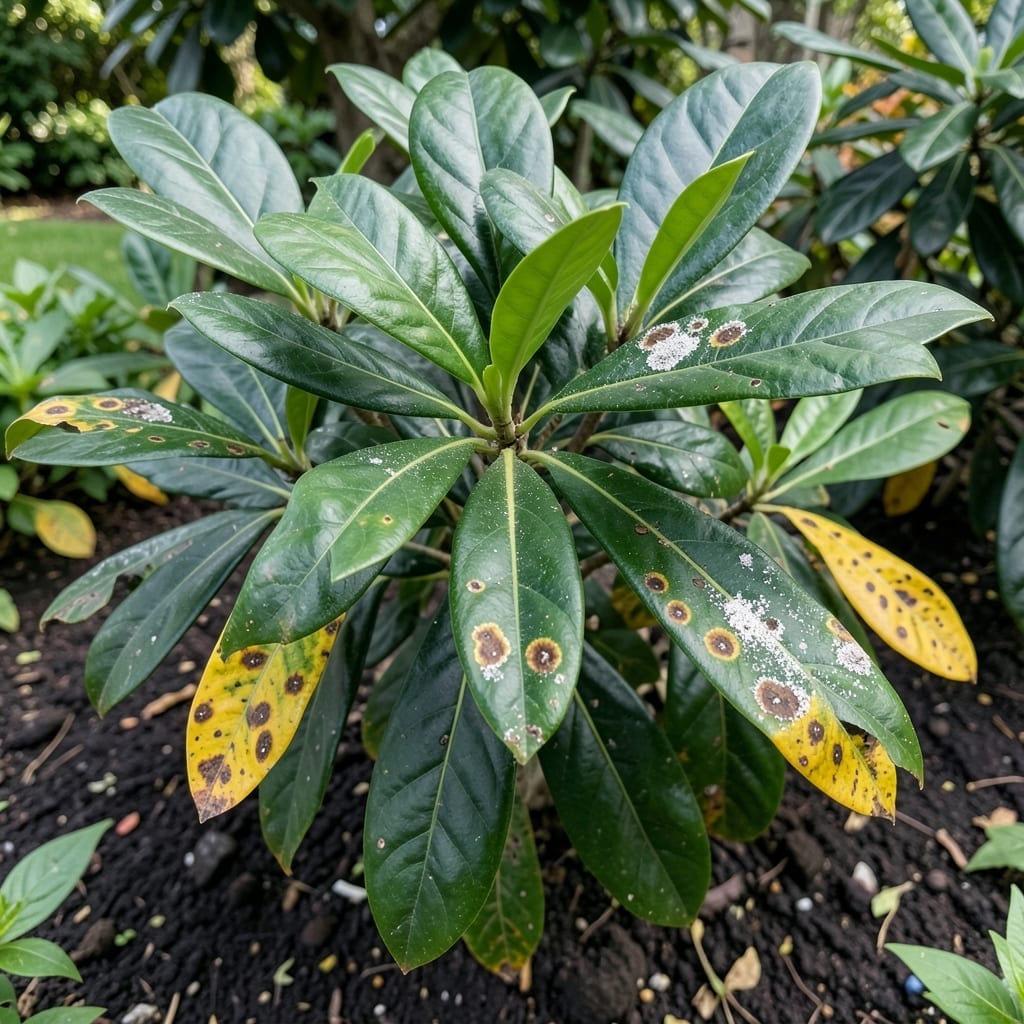
Yellowing leaves on your skip laurel mean trouble. I’ve seen healthy hedges turn sickly overnight from just one overlooked issue.
Most problems start with poor air flow or soggy soil. The fix is simpler than you think—just better planting habits and quick action at the first sign of spots or wilting.
You’ll keep your plants thriving with regular checks and a few preventative steps. No fancy equipment, just consistent care that pays off in lush green growth.
Works for new plantings and established hedges alike. Here’s how to spot and stop disease before it spreads.
Skip laurel, or Prunus laurocerasus, is a hardy evergreen shrub, but it’s not immune to diseases. Understanding the root causes helps in Prevention and early intervention. Below are the primary triggers behind common skip laurel diseases.
Fungal infections are the leading cause of diseases in skip laurel. Phytophthora root rot thrives in poorly drained, waterlogged soil, attacking the roots and causing wilting, yellowing leaves, and stunted growth. Shot hole fungus (Stigmina carpophila) appears as small purple or brown spots on leaves, which eventually drop out, leaving a “shot hole” effect. These fungi spread via spores, which are often splashed onto leaves by rain or overhead irrigation.
Bacterial leaf spot, caused by Xanthomonas or Pseudomonas species, leads to dark, water-soaked lesions on leaves. These bacteria enter through wounds or natural openings in the plant tissue, often exacerbated by high humidity or wet foliage. Unlike fungal diseases, bacterial infections may produce a yellow halo around the spots and can spread rapidly in warm, wet conditions.
Pests like aphids, scale insects, and spider mites weaken skip laurel by sucking sap from the leaves and stems. This stress makes the plant more susceptible to secondary infections. For example, aphids can transmit viruses, while scale insects excrete honeydew, promoting sooty mold growth—a black fungal coating that blocks sunlight and reduces photosynthesis.
Poor growing conditions can predispose skip laurel to disease. Overwatering or poor drainage creates an ideal environment for root rot. Conversely, drought stress weakens the plant, making it vulnerable to pests and pathogens. Nutrient deficiencies, particularly in nitrogen or iron, can also compromise the plant’s natural defenses, leading to chlorosis (yellowing of leaves) and reduced vigor.
Dealing with skip laurel diseases can feel overwhelming, but with the right approach, you can restore your plant’s health and prevent future issues. Below are practical solutions tailored to common problems, along with prevention tips to keep your skip laurel thriving.
Look for yellowing leaves, dark spots, or holes in the foliage. Wilting or stunted growth often signals root issues.
Improve airflow by spacing plants properly and avoid overhead watering. Apply a copper-based fungicide at the first sign of spots.
Yes, if caught early. Stop watering, trim black, mushy roots, and repot in well-draining soil.
Apply a balanced fertilizer in early spring. Test soil every 2-3 years to adjust nutrient levels.