
Beautiful Plants For Your Interior
Beautiful Plants For Your Interior
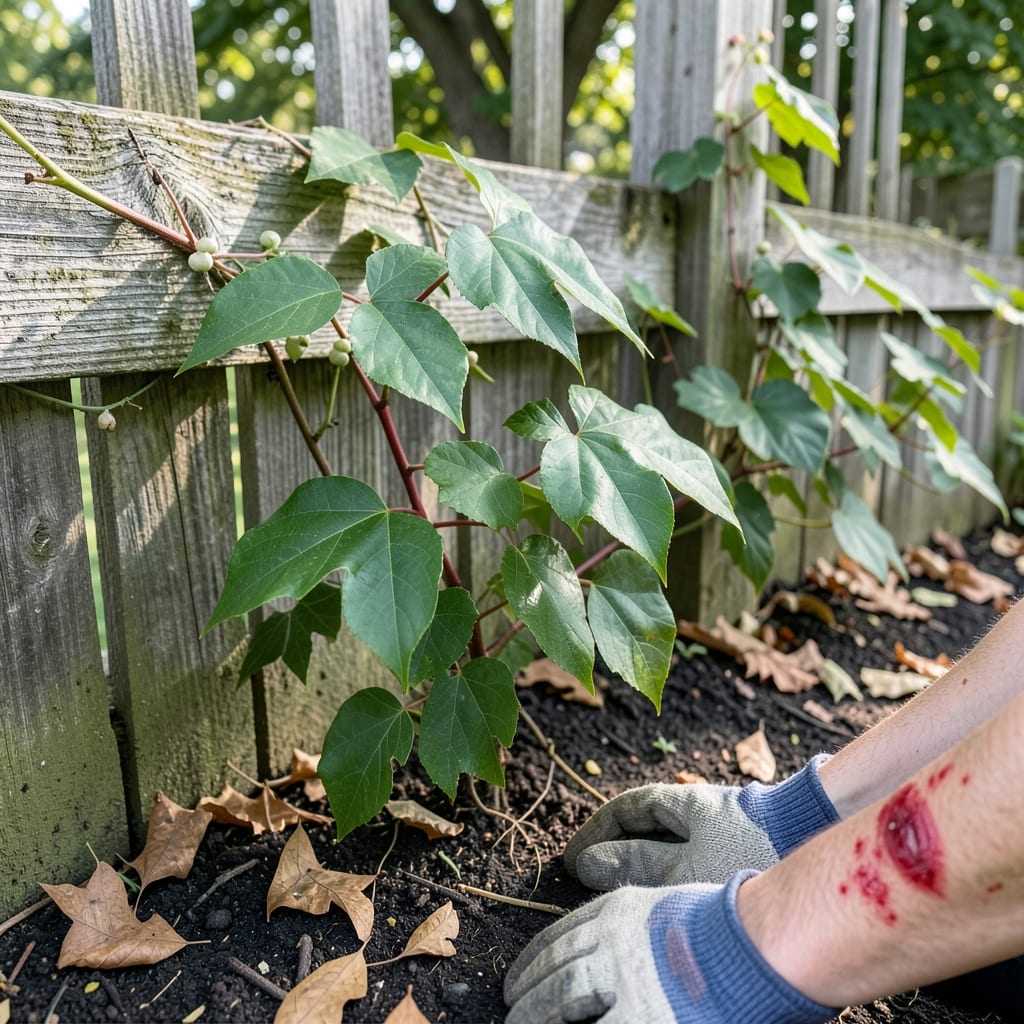
That itchy red rash after working with poison ivy taught me a hard lesson. Some plants don’t just decorate our gardens—they defend themselves with oils that cause serious skin reactions.
I’ve learned to spot the usual suspects: poison oak, sumac, and even some ornamental favorites like rue. The key is knowing what you’re handling before you start pruning or planting.
Prevention starts with long sleeves, gloves, and a quick rinse with soap and water if you suspect contact. It’s the simplest way to avoid days of discomfort and doctor visits.
For mild reactions, natural remedies like cool compresses and oatmeal baths can provide relief. But when in doubt, seek medical advice—some rashes need professional care.
Skin rashes from plants often stem from direct contact with certain compounds that trigger irritation or allergic reactions. Here’s a breakdown of the primary causes:
Some plants, like poison ivy, poison oak, and poison sumac, contain urushiol, an oily resin that binds to skin proteins. Your immune system mistakenly identifies urushiol as a threat, releasing histamine and causing redness, itching, and blisters. Even indirect contact (e.g., touching contaminated tools or pet fur) can trigger this reaction.
Certain plants, such as stinging nettles or spiny succulents, release formic acid, oxalates, or other irritants upon contact. These substances directly damage the skin barrier, leading to immediate burning, redness, or swelling—no allergic response required.
Plants like giant hogweed or lime trees contain furocoumarins, chemicals that make skin hypersensitive to sunlight. When exposed to UV rays after contact, these compounds cause severe blistering or long-lasting dark spots, a condition called phytophotodermatitis.
Scratching a plant-induced rash can break the skin, allowing bacteria (e.g., Staphylococcus) to enter. This can worsen inflammation and delay healing, turning a mild irritation into a painful, oozing infection.
Understanding the cause helps you avoid triggers and seek the right treatment—whether it’s washing off urushiol immediately or staying out of the sun after touching phototoxic plants.
Encountering skin rashes from plants can be uncomfortable, but there are simple ways to ease the irritation and prevent future flare-ups. Below are practical solutions based on common plant-induced reactions, along with tips to keep your skin safe.
If you suspect contact with these plants, rinse the affected area with cool water and mild soap within 10–15 minutes to remove the plant’s oils (urushiol). Avoid hot water, as it can open pores and spread the oil. Over-the-counter hydrocortisone cream or calamine lotion can reduce itching. For severe reactions, consult a doctor for prescription treatments.
Prevention tip: 💡 Wear long sleeves, pants, and gloves when gardening or hiking in wooded areas. Apply a barrier cream like bentoquatam for added protection.
Stinging nettle causes a sharp, burning sensation due to formic acid. Apply a cool, wet cloth to the area for 10–20 minutes to soothe pain. Oral antihistamines or aloe vera gel can help reduce inflammation. Avoid scratching to prevent infection.
Prevention tip: 🌱 Use thick gloves when handling nettles, and avoid brushing against them in the wild.
Rashes from plants like chrysanthemums or ragweed often result from allergies. Stop using or touching the plant and apply a topical steroid cream to calm redness and itching. If the rash persists, an allergist can help pinpoint the trigger.
Prevention tip: ✨ Patch-test new plants by touching a small area of skin before full exposure. Keep a journal to track reactions.
For cactus-related rashes, gently remove spines with tweezers (sterilized with alcohol) and wash the area with soap and water. Apply antibacterial ointment to prevent infection. If spines are deeply embedded, seek medical help.
Prevention tip: 🎯 Wear sturdy gloves and use tongs when repotting or handling spiky plants.
Always monitor rashes for signs of infection (increased pain, pus, or fever) and see a doctor if symptoms worsen.
Poison ivy, oak, and sumac top the list due to their urushiol oil. Giant hogweed and wild parsnip can cause severe blistering when exposed to sunlight after contact.
Mild rashes from irritant plants often clear in 2-3 days. Allergic reactions like poison ivy may take 1-3 weeks to fully heal without treatment. Seek medical help if it persists.
The rash itself isn’t contagious, but the plant oils can spread. If urushiol remains on clothing or tools, anyone touching them can develop a rash. Wash contaminated items thoroughly.
Rinse with cool water and soap immediately. Apply calamine lotion or take an oral antihistamine to reduce itching. Avoid hot showers, as they can worsen irritation.