
Beautiful Plants For Your Interior
Beautiful Plants For Your Interior
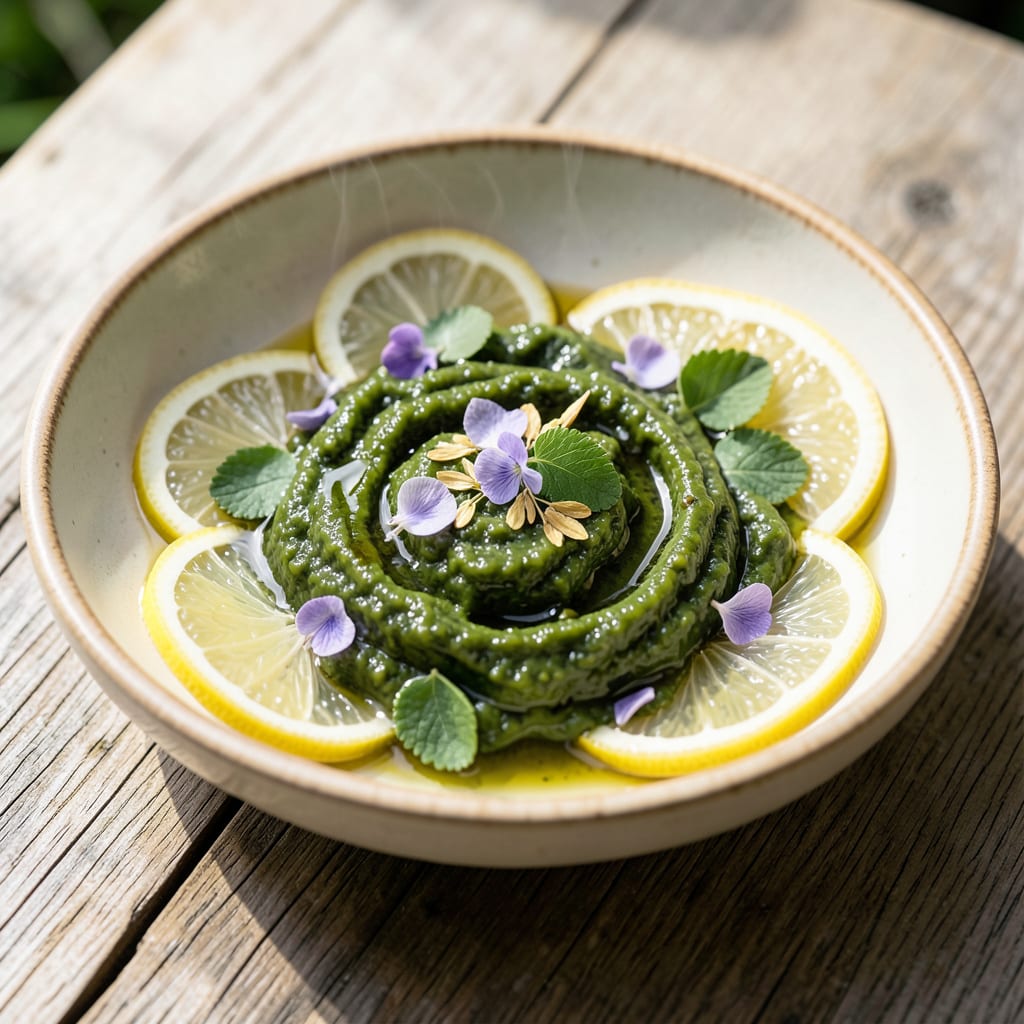
That first brush with stinging nettles stays with you. I learned the hard way that these plants don’t just irritate—they leave a burning memory for 24-48 hours if you’re not careful.
Here’s the thing—nettles aren’t all bad. They’re nutrient powerhouses for soil and tea, but the tiny hairs on their leaves and stems pack a painful punch. Safe handling means gloves, long sleeves, and zero skin contact.
For relief, I swear by cool water, baking soda paste, or dock leaves (nature’s antivenom). The sting fades fast with the right approach, and you’ll be back in the garden in no time.
Prevention is simpler than you think: clear patches before they spread and always wear protection. A little caution goes a long way with these green troublemakers.
Stinging nettles (Urtica dioica) cause that infamous burning sensation due to a clever defense mechanism. Here’s why it happens, broken down by cause:
The plant’s leaves and stems are covered in fine, hollow hairs called trichomes. These act like microscopic syringes, injecting irritants into your skin upon contact. The hairs are fragile—even brushing against them can trigger a reaction.
Inside the trichomes lies a mix of formic acid, histamine, acetylcholine, and serotonin. When the hairs pierce the skin, these compounds flood the area, causing:
The combination of acetylcholine and serotonin overstimulates nerve endings, making the pain feel more intense than it is. This is why the sting can linger for minutes—or even hours—for sensitive individuals.
Understanding this process helps explain why avoiding contact and quick action (like rinsing with water or using a dock leaf) can lessen the discomfort.
Encountering stinging nettles can leave your skin itchy and irritated, but relief is within reach. Here’s how to address the discomfort and prevent future flare-ups.
With these steps, you can quickly ease the discomfort of stinging nettles and reduce the chances of future encounters.
Most stings fade within 24-48 hours. The worst pain usually subsides in 30-60 minutes, but itching may linger. Using cold compresses or antihistamines can speed up relief.
Yes! Dock leaves contain compounds that neutralize the nettle’s irritants. Crush and rub them on the affected area for natural relief. Just make sure it’s a true dock leaf, not a lookalike.
Vinegar’s acidity can help counteract the alkaline irritants in nettle stings. Apply white vinegar with a cotton ball for 5-10 minutes to ease discomfort. Test on a small area first.
