
Beautiful Plants For Your Interior
Beautiful Plants For Your Interior
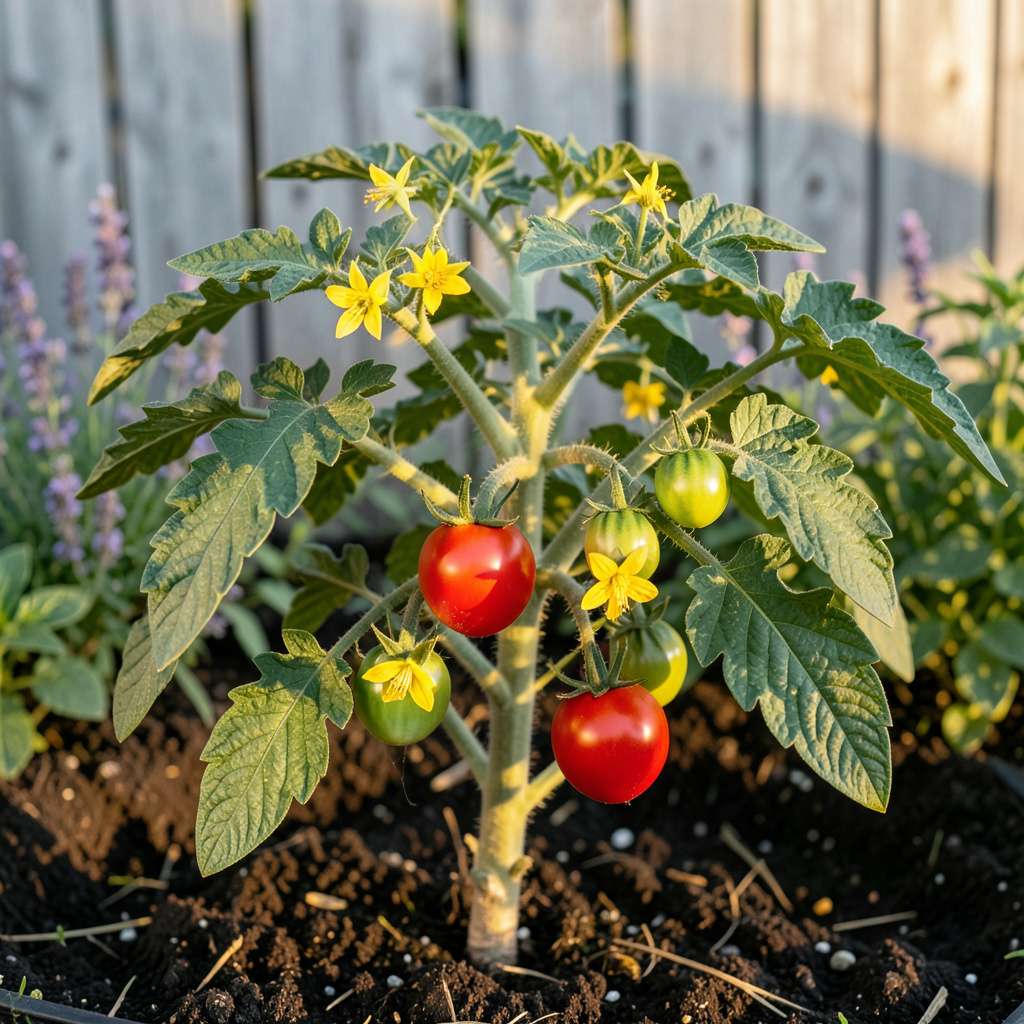
Stop using neem oil when pests are eliminated and plants show no new infestations. Avoid application during extreme heat, freezing temperatures, or when plants are stressed.
It’s crucial to monitor your plants closely after applying neem oil. 🌱 Factors like pest life cycles and environmental conditions can influence its effectiveness. For instance, if you notice your plants thriving without new infestations, it’s a good time to pause treatments. Additionally, using neem oil in unsuitable weather can harm your plants, so always check the conditions before application.
In my experience, keeping a close eye on Plant Health and Pest Control“>plant health and pest activity helps determine the right moment to stop. Regularly assessing their response allows for better decisions, ensuring your garden stays healthy and vibrant. 🌼
💡 In This Article
Neem oil is an effective natural pesticide, but its efficacy can diminish based on specific factors. Pests have life cycles that influence when treatments are most effective. For example, targeting pests during their larval stage can yield better results than treating mature insects. 🌿
Environmental conditions also play a critical role. If temperatures soar above 90°F or drop below 32°F, applying neem oil may lead to plant stress or reduced effectiveness. The oil can evaporate quickly in high heat or become ineffective in cold, damp conditions. 🌞
Monitoring your plants for signs of stress is essential when using neem oil. Look for yellowing leaves or wilting, which may indicate phytotoxicity—a condition where the oil harms the plant rather than helps it. If these signs appear, it’s time to halt applications. 🌱
Additionally, the presence of beneficial insects, like ladybugs and lacewings, can signal when to reduce neem oil usage. These allies can help control pest populations naturally, so preserving their presence is vital. If you see them flourishing, it may be wise to stop using neem oil. 🐞
Understanding the timing of pest life cycles can help you identify the optimal application windows. For instance, applying neem oil during the early evening can help prevent degradation from sunlight while maximizing pest control effectiveness. 🌙
Lastly, always assess the specific needs of your plants. Each species may respond differently to neem oil. For example, sensitive plants like ferns may require more caution compared to robust varieties like tomatoes. Adjust your usage accordingly for the best results. 🍅
