
Beautiful Plants For Your Interior
Beautiful Plants For Your Interior
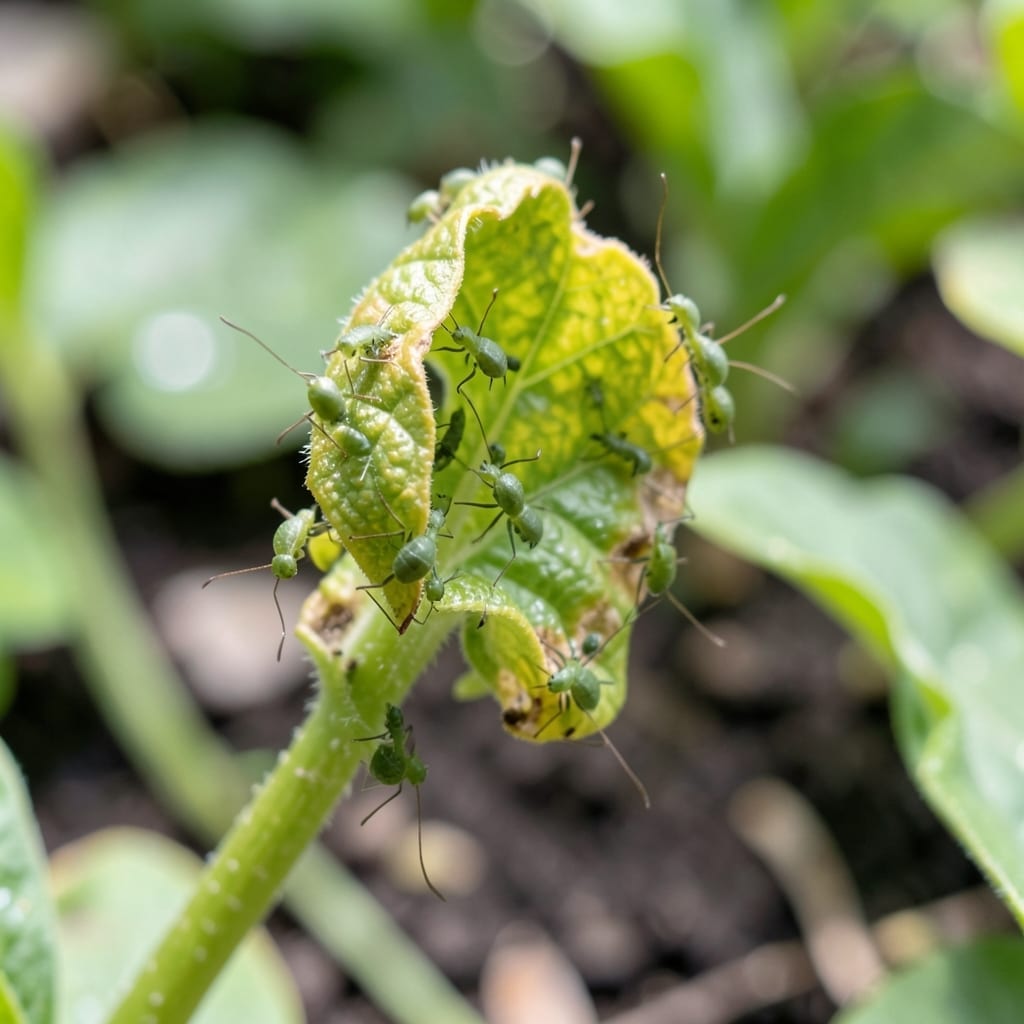
Sticky residue on leaves was my first clue something was wrong. Tiny green specks clustered on new growth confirmed it—aphids had moved in, turning my healthy plants into their personal buffet.
These pests leave curled leaves, stunted growth, and a shiny substance called honeydew that attracts ants. They target fresh shoots and flower buds first, where they’re hardest to spot but do the most damage.
Left unchecked, they multiply fast, weakening plants and spreading disease. The good news? Catching them early makes removal simple with organic methods that actually work.
Your garden can bounce back quickly once you know what to look for and how to respond.
Aphid outbreaks don’t happen by accident—they’re triggered by a mix of environmental, biological, and cultural factors. Understanding why these pests appear helps you prevent them before they wreak havoc on your garden or houseplants.
Aphids thrive on soft, new plant growth, which is often the result of excess nitrogen in the soil. When plants are over-fertilized—especially with high-nitrogen blends—they produce tender leaves and stems that aphids find irresistible. Actionable fix: Balance your fertilizer with phosphorus and potassium, and avoid overfeeding during peak growing seasons.
Aphids reproduce rapidly in warm temperatures (65–80°F) and low humidity. Dry conditions weaken plant defenses, making them more susceptible to infestations. Actionable fix: Use mulch to retain soil moisture and consider shade cloth during heatwaves to reduce stress on plants.
In a healthy ecosystem, ladybugs, lacewings, and parasitic wasps keep aphid populations in check. If these beneficial insects are absent—due to pesticide use or a lack of biodiversity—aphids multiply unchecked. Actionable fix: Plant pollinator-friendly flowers (like marigolds or yarrow) and avoid broad-spectrum pesticides.
Weak or overcrowded plants are aphid magnets. Stress from poor spacing, root competition, or disease reduces a plant’s ability to fend off pests. Actionable fix: Thin seedlings, prune for airflow, and remove heavily infested plants to protect the rest.
Once you’ve spotted the signs of aphids on plants, act fast to stop them from spreading. Below are targeted fixes for common issues, plus prevention tips to keep your garden aphid-free.
Dense foliage gives aphids the perfect hiding spot. Trim back heavily infested stems and thin out crowded areas to improve airflow. Space plants according to their mature size to reduce future outbreaks. Prevention tip: 💡 Avoid over-fertilizing with nitrogen—it promotes the soft, new growth aphids love.
A strong spray of water from a garden hose can knock aphids off leaves, especially on small plants or early infestations. Do this early in the day so foliage dries quickly. Repeat every few days until aphids are gone. Prevention tip: ✨ Use drip irrigation instead of overhead watering to discourage aphid-friendly moisture on leaves.
Encourage ladybugs, lacewings, or parasitic wasps—aphids’ natural enemies—by planting pollinator-friendly flowers like dill, yarrow, or marigolds. For immediate action, purchase live ladybugs from garden centers and release them at dusk. Prevention tip: 🎯 Avoid broad-spectrum pesticides, which kill beneficial insects too.
For severe cases, use neem oil, insecticidal soap, or a homemade garlic/chili spray. Mix 1 tbsp of mild liquid soap with 1 quart of water for a DIY solution, and spray directly on aphids (test on a small leaf area first). Reapply every 4–7 days. Prevention tip: 🌡️ Rotate crops annually to disrupt aphid life cycles.
Consistency is key—monitor plants weekly and combine methods for the best results. Healthy, well-maintained plants are always more resistant to pests!
Tiny (1/8 inch), soft-bodied insects in green, black, yellow, or pink. They cluster on new growth, often under leaves or on stems. Look for pear-shaped bodies and long antennae.
Aphids secrete honeydew, a sugary liquid that coats leaves. This attracts ants and grows sooty mold, a black fungus. Check leaf undersides for clusters.
Severe infestations weaken plants by sucking sap, causing yellowing and stunted growth. Young plants are most vulnerable, but healthy mature plants usually survive if treated early.
Inspect plants weekly during growing season, especially new growth. Early detection prevents rapid spread. Focus on leaf undersides and flower buds.