
Beautiful Plants For Your Interior
Beautiful Plants For Your Interior
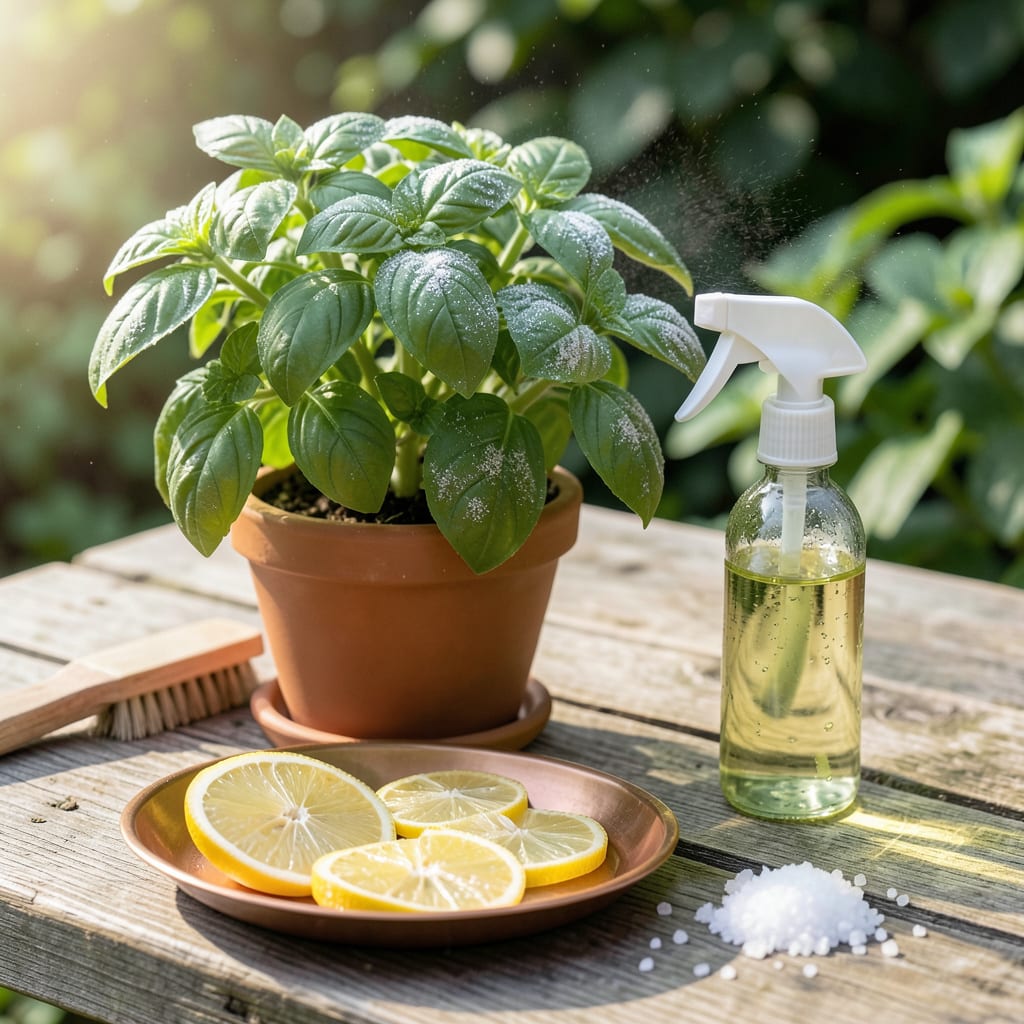
That white powder on your leaves isn’t dust—it’s trouble. I’ve lost count of how many plants I’ve saved from powdery mildew with one simple spray.
This fungus spreads fast but has a weakness: it hates good airflow and dry leaves. The fix takes 5 minutes and uses stuff you already have in your kitchen. No fancy chemicals, just consistent action.
Your plants will show improvement within 48 hours of the first treatment. New growth comes back clean, and the mildew stops spreading to other plants in your garden.
Works on roses, squash, tomatoes—anything with that telltale white coating. Here’s the exact method that turned my mildew disasters into healthy, thriving plants.
Powdery mildew isn’t just an unsightly white coating—it’s a sign your plants are under stress from specific environmental or cultural conditions. Understanding the root causes helps you prevent its return. Below are the most common triggers, explained in simple, science-backed terms.
This fungal disease thrives in 60–80% relative humidity, especially when combined with stagnant air. Without proper ventilation, spores settle on leaves and germinate. Crowded plants or dense canopies trap moisture, creating a perfect breeding ground.
Powdery mildew favors temperatures between 60–80°F (15–27°C). The temperature swing between warm afternoons and cool evenings increases leaf surface moisture, accelerating spore growth. This is why it often appears in early summer or fall.
Wetting foliage directly—especially in the evening—extends leaf dampness, giving spores more time to infect. Always water at the base and avoid splash-back from soil, which can spread existing spores.
Excess nitrogen promotes lush, soft growth that’s more susceptible to disease. Balanced fertilization strengthens plant cell walls, making it harder for the fungus to penetrate.
Some plants, like roses, cucumbers, and squash, are genetically prone to powdery mildew. If you’ve had recurring issues, consider resistant cultivars (e.g., Cucumis sativus ‘Diva’ for cucumbers).
Powdery mildew is frustrating, but these targeted fixes can restore your plants’ health. Address the root cause first, then apply the right treatment.
Crowded plants trap humidity, creating a mildew paradise. Space them out so air flows freely. Prune dense foliage to open the canopy, and if indoors, use a fan on low to keep air moving. Prevention tip: Always allow room for growth when planting. 💡
Water in the morning so leaves dry by evening. Avoid overhead watering—drip irrigation or a soaker hose keeps foliage dry. If humidity stays high, a dehumidifier near indoor plants helps. Prevention tip: Group plants with similar water needs to avoid overwatering. 🌡️
Remove infected leaves or stems immediately to stop spread. Thin out dense growth to let light and air reach inner leaves. For potted plants, repot into larger containers if roots are packed. Prevention tip: Stagger planting times to prevent overcrowding as plants mature. ✨
Move potted plants to sunnier spots or supplement with grow lights. For garden beds, trim nearby shrubs or trees casting shade. Prevention tip: Rotate indoor plants weekly for even light exposure. 🎯
Mix 1 tablespoon baking soda + 1 teaspoon dish soap + 1 gallon water and spray every 5–7 days. Neem oil (1 tablespoon per gallon of water) also works—apply in the evening to avoid leaf burn. Always test on a small area first. Prevention tip: Spray preventatively during humid seasons. 🌿
No, when diluted properly (1 tablespoon per gallon of water), baking soda is safe and effective. It alters the leaf surface pH, making it harder for mildew to thrive. Just avoid using it in extreme heat to prevent leaf burn.
Apply your chosen treatment every 5–7 days until the mildew disappears. Continue for 2 weeks after symptoms vanish to prevent recurrence. Consistency is key to breaking the fungal lifecycle.
Yes, but dilute it carefully: 2–3 tablespoons white vinegar per gallon of water. Vinegar’s acidity kills spores but may damage sensitive plants. Test on a small area first and avoid using in direct sunlight.
If the environment hasn’t changed, spores linger. Improve airflow, reduce humidity, and remove fallen leaves. Resistant plant varieties and consistent preventive spraying help stop reinfection.
