
Beautiful Plants For Your Interior
Beautiful Plants For Your Interior
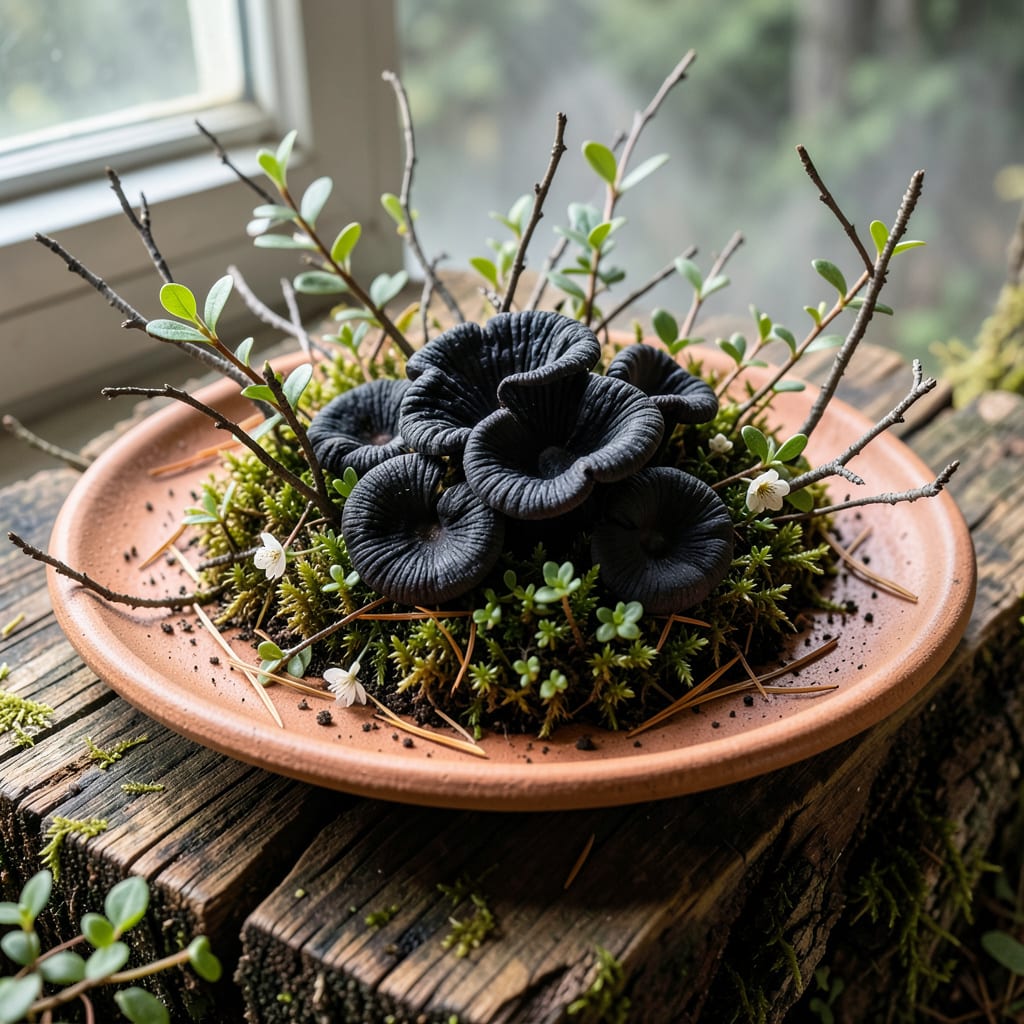
Those black spots on your shrubs aren’t just unsightly—they’re a warning sign. 🌿 I’ve seen sooty mold turn healthy plants into struggling messes overnight, but catching it early changes everything.
This fungus thrives on honeydew from aphids and scale insects, creating a dark coating that blocks sunlight. The good news? It’s 100% treatable without harsh chemicals. A strong blast of water often removes the bulk of the problem immediately.
For stubborn cases, neem oil or insecticidal soap breaks the cycle naturally. You’ll see improvement within a week of consistent treatment, with full recovery in just a few applications.
Works for azaleas, boxwoods, and most ornamental shrubs. Here’s exactly how to tackle it.
Black fungus on shrubs, often caused by sooty mold or black spot, thrives under specific conditions. Understanding the root causes helps prevent its spread and recurrence.
Fungal spores flourish in damp environments. Overwatering, poor soil drainage, or frequent rain can create ideal breeding grounds. Shrubs in low-lying areas or those with dense canopies that trap moisture are especially vulnerable. Action: Improve airflow by pruning overgrown branches and ensure proper drainage around the root zone.
Sooty mold often follows an infestation of sap-sucking pests like aphids, scale, or whiteflies. These insects excrete honeydew, a sticky substance that serves as a food source for black fungus. Action: Inspect shrubs regularly for pests and treat infestations with organic insecticidal soap or neem oil.
Shrubs planted too closely together or in shaded, still-air locations suffer from reduced ventilation. Stagnant air increases humidity around the foliage, promoting fungal growth. Action: Space plants appropriately and prune to allow light and air to penetrate the center of the shrub.
Over-fertilization, particularly with high-nitrogen products, can lead to soft, succulent growth that’s more susceptible to fungal attacks. Conversely, potassium-deficient plants may lack the resilience to fend off infections. Action: Use a balanced, slow-release fertilizer and test soil to address deficiencies.
Fallen leaves, dead branches, or old mulch can harbor fungal spores over winter. Without cleanup, these spores can reinfect shrubs in the next growing season. Action: Remove plant debris promptly and replace mulch annually to disrupt the fungal lifecycle.
Black fungus on shrubs can be stubborn, but these targeted solutions will help restore your plants’ health. Address each cause with the right fix, and follow prevention tips to keep it from returning.
Fungus thrives in damp, stagnant air. Trim overcrowded branches to improve airflow, and space shrubs at least 3–4 feet apart. Remove any dead or diseased wood immediately to prevent spread. Prevention tip: 💡 Thin out dense foliage annually to keep air moving.
Soggy soil is a fungus magnet. Water at the base (not overhead) in the early morning so leaves dry quickly. If drainage is poor, amend soil with compost or sand. Prevention tip: 🌡️ Use a moisture meter to avoid overwatering—most shrubs need just 1–1.5 inches per week.
Fallen leaves and mulch can harbor spores. Rake up debris around shrubs weekly, and replace old mulch with fresh, dry material. Prevention tip: ✨ Avoid thick mulch layers (keep it under 2 inches) to reduce moisture retention.
For active infections, apply neem oil or copper fungicide every 7–10 days until the fungus clears. Mix 1 tablespoon of neem oil with a gallon of water and spray evenly, covering both sides of leaves. Prevention tip: 🎯 Rotate sprays to prevent resistance, and always apply in dry, calm weather.
Pro tip: 🌿 Strengthen shrubs with balanced fertilizer (10-10-10) to boost their natural defenses against future infections.
While it looks alarming, most black fungus like sooty mold won’t kill shrubs directly. However, heavy infestations can block sunlight, weakening the plant over time. Address it quickly to prevent long-term stress.
Improve airflow by pruning, water at the base in mornings, and clean up fallen debris regularly. These simple steps disrupt the conditions fungus needs to thrive.
A strong blast of water can wash off much of the surface fungus immediately. For stubborn cases, apply neem oil every 7–10 days until clear.
Yes, but organic options like copper fungicide or neem oil work well for most cases. Always follow label instructions carefully to avoid plant damage.
