
Beautiful Plants For Your Interior
Beautiful Plants For Your Interior
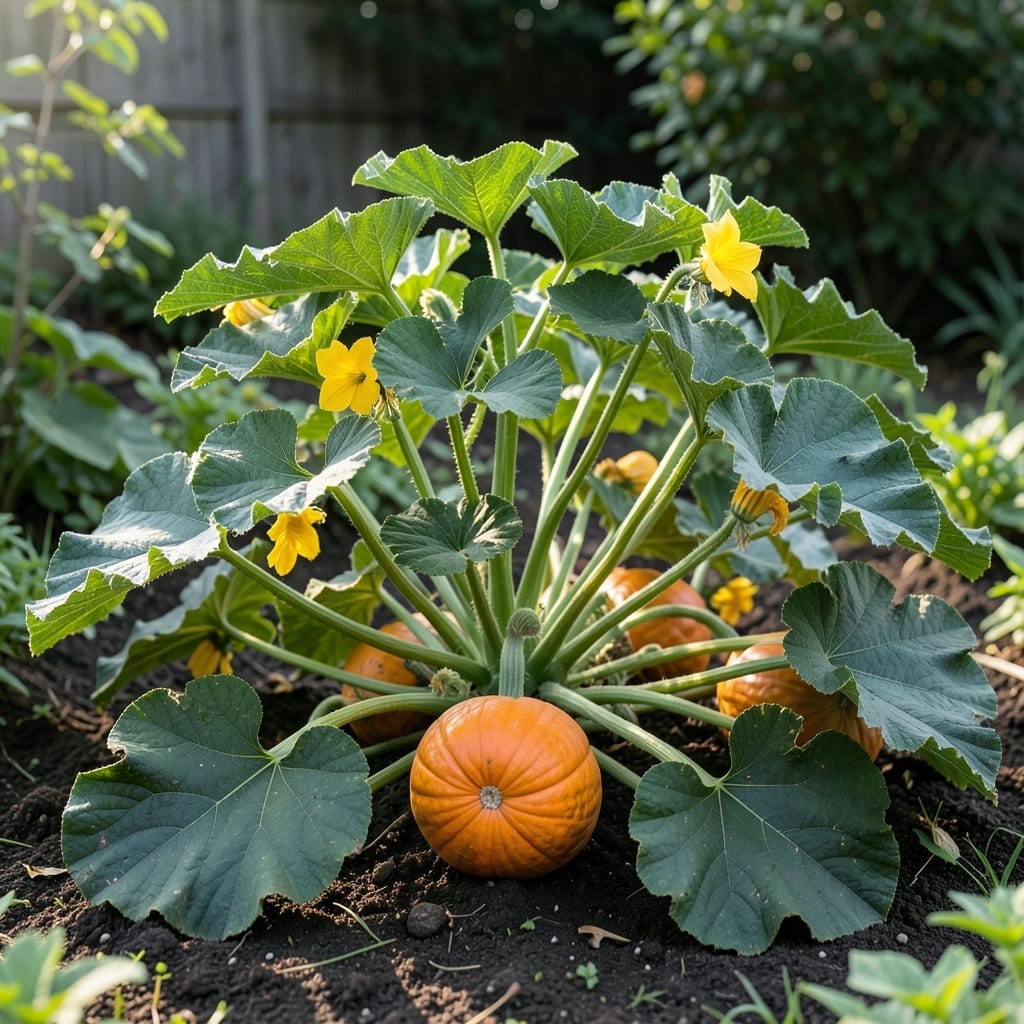
Seminole pumpkins thrive in Florida’s heat with their deep green, lobed leaves that shade the soil and conserve moisture. I’ve watched these vines spread 10-15 feet in a single season, their foliage creating a living mulch that blocks weeds.
Those broad leaves aren’t just pretty—they’re the plant’s solar panels, fueling rapid growth and prolific fruiting. With the right care, you’ll see vigorous vines and healthy harvests from this native variety.
📚 In This Guide
Here’s how I grow strong, productive Seminole pumpkin vines for their delicious, nutrient-packed leaves.
Find a spot with full sun—Seminole pumpkins thrive in 6-8 hours of direct sunlight daily. The soil should be well-draining and rich in organic matter. I work in a 2-3 inch layer of compost or aged manure into the top 6 inches of soil before planting.
If your soil is heavy clay or sand, amend it with compost to improve texture and fertility. Avoid areas where water pools after rain, as soggy soil invites root rot. A slightly acidic to neutral pH of 6.0-7.0 is ideal.
Direct-sow seeds after the last frost when soil temperatures reach 70°F. Plant seeds 1 inch deep and space them 3-4 feet apart—these vines spread aggressively. I plant 2-3 seeds per hill and thin to the strongest seedling once they sprout.
If using transplants, dig a hole slightly larger than the root ball and place the seedling at the same depth it was growing in the pot. Water immediately to settle the soil around the roots, then keep the soil consistently moist for the first 1-2 weeks.
Seminole pumpkins need 1-2 inches of water per week, more during extreme heat. I water deeply at the base of the plant in the morning, avoiding wetting the leaves to prevent disease. Drip irrigation works best for even, targeted moisture.
Spread a 2-3 inch layer of organic mulch like straw or wood chips around the plants to retain moisture and suppress weeds. Keep mulch 2 inches away from the stem to prevent rot. You’ll see the vines take off within 2-3 weeks of planting.
As vines grow, guide them along a trellis or fence to save space and improve air circulation. Seminole pumpkins are vigorous climbers, but I still check for pests like squash bugs and cucumber beetles weekly. Handpick any you find, or spray with neem oil if infestations occur.
Watch for yellowing leaves or stunted growth, which can signal nutrient deficiencies. A balanced fertilizer applied every 4-6 weeks keeps vines healthy. Once vines reach 6-8 feet, they’ll start producing an abundance of leaves ready for harvest.
Begin harvesting leaves once the vines are well-established, usually 6-8 weeks after planting. Pick the youngest, most tender leaves near the tips of the vines, leaving older leaves to support continued growth. Use clean, sharp scissors to avoid damaging the plant.
Harvest in the morning when leaves are crisp and full of flavor. Avoid taking more than one-third of the leaves at once to keep the plant productive. Regular harvesting encourages bushier growth and a steady supply of fresh leaves throughout the season.
Growing healthy vines starts with understanding the details that make a difference.
Sunlight Essentials: Those 6-8 hours of daily sun aren’t negotiable. I learned this the hard way when I tried a shady spot—vines grew leggy and weak. Position your planting area where it gets unobstructed light, especially during peak afternoon hours.
Soil Prep Shortcut: The 2-3 inch layer of compost into 6 inches of soil is your foundation. Don’t skimp here. If your soil is poor, double the compost amount. I’ve seen plants struggle in unamended soil, but thrive when given this rich start.
Watering Wisdom: That 1-2 inches per week needs to be consistent, especially during the first 1-2 weeks after planting. I set up a simple rain gauge to track moisture. Morning watering prevents fungal issues, and drip irrigation ensures water goes straight to the roots, not the leaves.
Pest Patrol: Weekly checks for squash bugs and cucumber beetles are non-negotiable. I keep a spray bottle of neem oil ready. Early detection means handpicking works—wait too long, and you’ll be battling an infestation that can wipe out your vines.
Yes! Young, tender leaves can be eaten raw in salads. Older leaves may taste bitter, so lightly steam or sauté them to soften the flavor. Always rinse thoroughly to remove dirt or pests.
Harvest leaves in the morning when they’re crisp and fresh. Pick young leaves (2-4 inches) for the best texture and flavor. Avoid taking more than a third of the vine’s leaves to keep it healthy.
If unavailable, try squash leaves, chard, or spinach. These have a similar mild flavor and texture. For a native twist, consider using sweet potato leaves or malabar spinach.
Yellowing leaves often signal overwatering, nutrient deficiencies (like nitrogen), or pests such as aphids. Check soil moisture and inspect for bugs. Adjust care or use organic pest control if needed.