
Beautiful Plants For Your Interior
Beautiful Plants For Your Interior
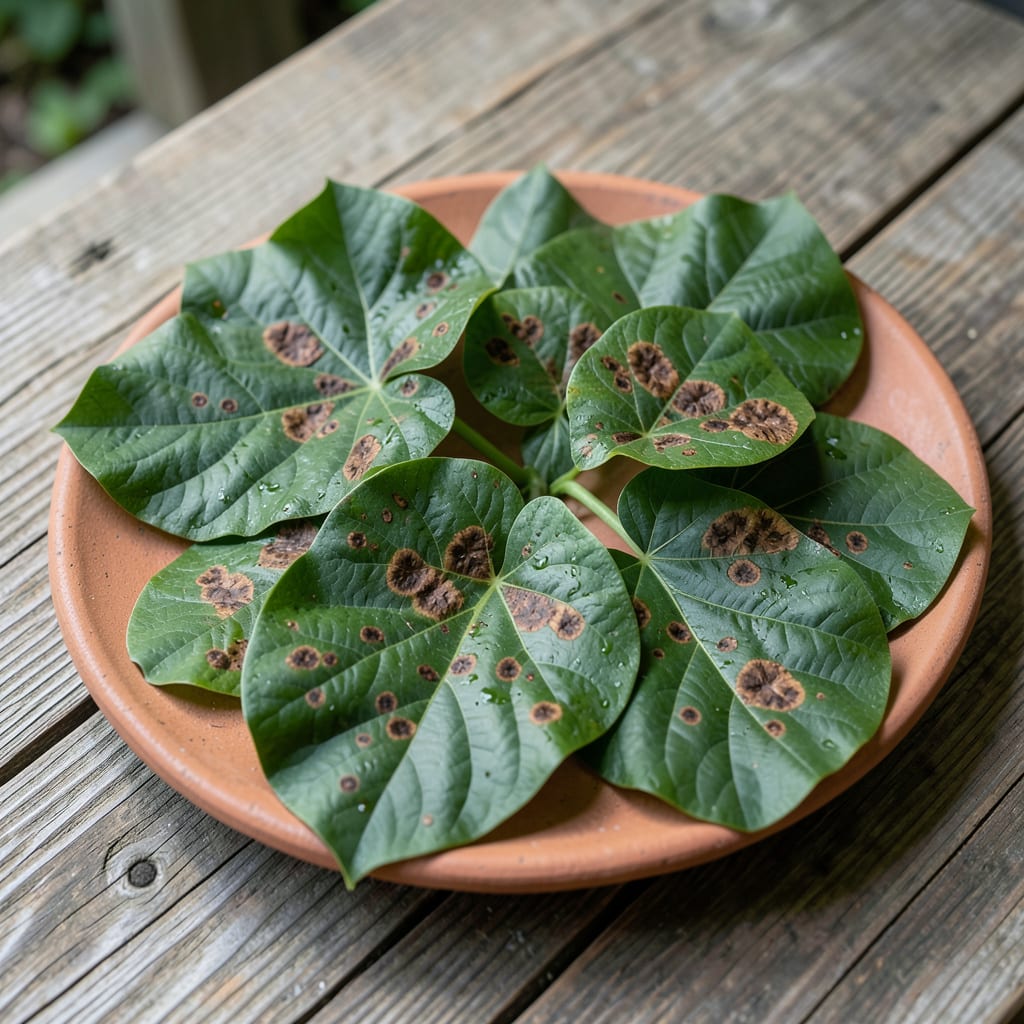
Those brown spots on your sweet potato vine leaves aren’t just unsightly—they’re a red flag. 🌿 I’ve seen this issue derail entire harvests, but the good news is it’s usually fixable once you identify the cause.
Fungal infections, thirsty plants, or even too much love (overwatering) can trigger these spots. The key is checking the pattern: irregular edges often mean fungus, while crispy spots scream underwatering. My vines bounced back within 2 weeks after adjusting care.
Natural remedies work surprisingly well here. A simple baking soda spray or neem oil treatment can stop fungal spread in its tracks. For environmental issues, adjusting watering or adding shade does the trick.
Don’t panic—this is your plant’s way of asking for help. With quick action, you’ll see new healthy growth pushing through before the season’s over.
Brown spots on sweet potato vine leaves often signal underlying issues that disrupt the plant’s health. These blemishes can stem from environmental stressors, infections, or pests—each with distinct triggers. Below are the most common causes:
Fungi like Alternaria or Cercospora thrive in wet, humid conditions, leading to circular or irregular brown spots with yellow halos. Overhead watering or poor air circulation accelerates their spread. These pathogens infect leaves through spores, which germinate when moisture lingers for 6+ hours.
Xanthomonas or Pseudomonas bacteria cause water-soaked lesions that turn brown and crisp. They enter through wounds or stomata (leaf pores), often spread by splashing water, contaminated tools, or infected plant debris.
Sap-sucking pests like spider mites or aphids create stippling or necrotic spots as they feed. Their piercing mouthparts damage cells, and their honeydew (a sticky residue) fosters sooty mold, which can darken into brown patches.
Extreme heat, sunburn, or nutrient deficiencies (e.g., potassium or magnesium) can cause margin scorching or interveinal browning. Over-fertilization, especially with nitrogen, may also trigger leaf tip burn.
Brown spots on sweet potato vine leaves can be frustrating, but they’re often fixable with the right approach. Below are targeted solutions based on the most common causes, along with prevention tips to keep your vines thriving.
Fix: Remove infected leaves immediately to prevent spread. Treat with a copper-based fungicide or a neem oil spray (1 tbsp neem oil + 1 tsp dish soap + 1 quart water). Apply every 5–7 days until spots disappear.
Prevent: 💡 Avoid overhead watering—water at the base to keep leaves dry. Space plants for airflow, and clean up fallen debris.
Fix: If spots are from heat or drought, deeply water the plant and move it to a shadier spot if needed. For cold damage, cover vines with frost cloth during chilly nights.
Prevent: ✨ Mulch around the base to retain moisture and regulate soil temperature. Use row covers in early spring/fall for temperature swings.
Fix: Test soil for deficiencies. Amend with compost or a balanced fertilizer (10-10-10) for general health. For magnesium deficiency (interveinal browning), add Epsom salt (1 tbsp per gallon of water) as a foliar spray.
Prevent: 🎯 Feed vines with a slow-release fertilizer at planting and mid-season. Rotate crops yearly to avoid soil depletion.
Fix: Spray leaves with insecticidal soap or introduce beneficial insects like ladybugs to control aphids/whiteflies. For slugs/snails, set up beer traps or diatomaceous earth barriers.
Prevent: ✨ Inspect leaves weekly for early signs of pests. Companion plant with marigolds or basil to deter invaders.
Consistency is key—address issues early, and your sweet potato vines will reward you with lush, spot-free foliage! 🌿
Not always. While fungal or bacterial infections often cause brown spots, they can also result from environmental stress like heat or nutrient deficiencies. Check for patterns to determine the cause.
Look for tiny insects like aphids or spider mites on the undersides of leaves. Pest damage often appears as stippling or irregular brown patches, sometimes with sticky residue.
Yes! A neem oil spray or baking soda solution works well for fungal issues. For pests, insecticidal soap is effective. Always test on a small area first.
With proper treatment and prevention, new healthy growth typically appears within 2 weeks. Remove severely damaged leaves to help the plant focus on recovery.
