
Beautiful Plants For Your Interior
Beautiful Plants For Your Interior
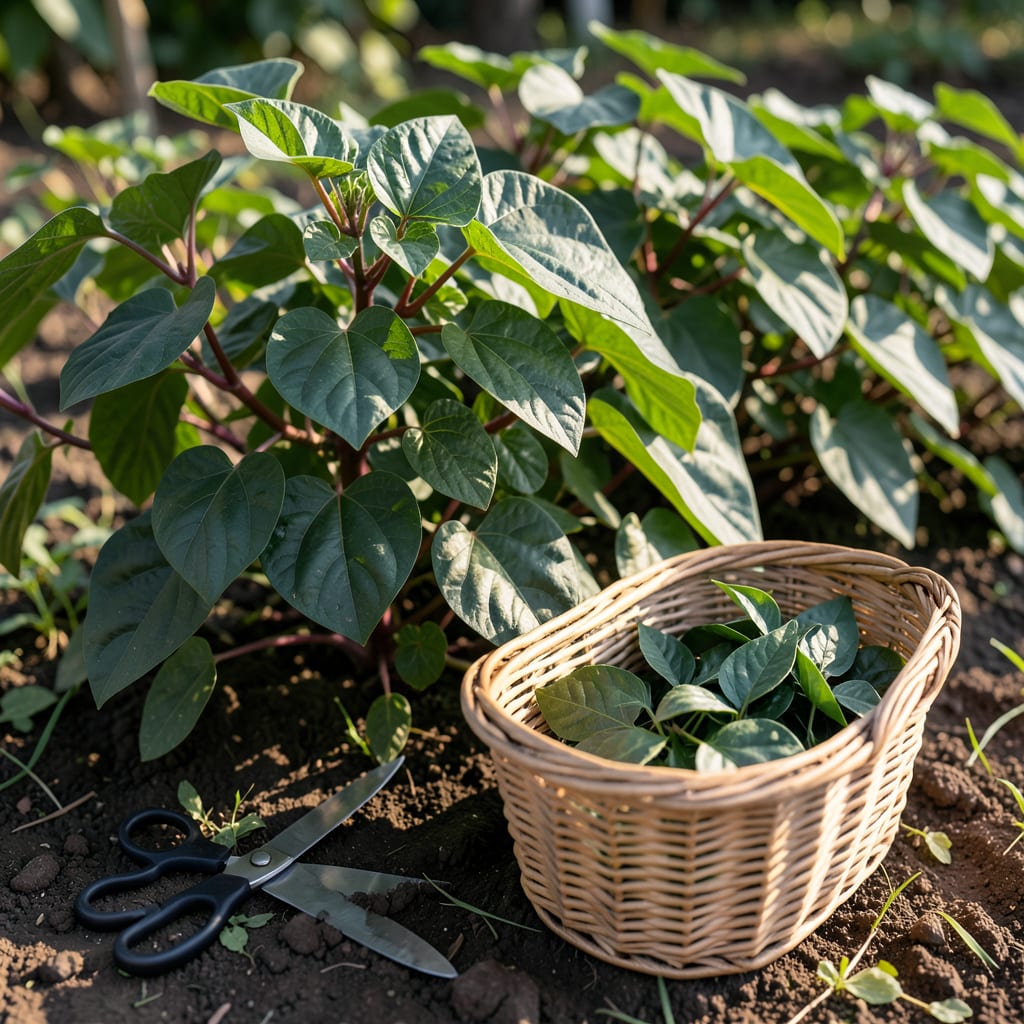
Harvesting Malabar Spinach 🍃 the right way ensures a continuous supply of tender leaves. You can keep your vines healthy and productive all season long.
I’ll show you exactly when and how to pick leaves without damaging the plant. With these simple techniques, you’ll maximize your yield and enjoy fresh greens for months.


Timing is everything when harvesting Malabar Spinach. I always wait until the leaves are 4-6 inches long and the stems are thick. This ensures the plant is mature enough to handle pruning.
The best time of day is early morning when the leaves are crisp and full of moisture. Avoid harvesting in the heat of the day as the leaves may wilt quickly.☀️
I always harvest regularly to encourage bushier growth. The more you pick, the more the plant will produce. Just be sure to leave enough foliage for photosynthesis.
For the best flavor, harvest when the leaves are young and tender. Older leaves can become tough and slightly bitter. I check my plants every 3-4 days during peak growing season.
If you notice flower buds forming, it’s a sign your plant is shifting energy to reproduction. I pinch these off immediately to redirect growth to the leaves. This extends your harvest window significantly.
After harvesting, I give my plants a light watering to help them recover. The soil should stay moist but not waterlogged. This encourages quick regrowth of new leaves.
Remember that Malabar Spinach is a vigorous climber. I use a trellis system to keep vines organized, making harvesting easier and reducing disease risk from ground contact.
For the healthiest plants, I rotate my harvest around the vine. This prevents over-stressing any one section and promotes even growth throughout the plant.
With these techniques, I consistently get multiple harvests from each plant throughout the growing season. My vines often produce until the first frost.🌱
Harvesting Malabar Spinach incorrectly can harm your plants. I’ve learned the hard way that over-harvesting stresses the vine and reduces future yields. Always leave at least 2/3 of the foliage intact.
Using dull tools is another common mistake. I always use sharp scissors or pruners for clean cuts that heal quickly. Ragged cuts invite disease and slow recovery.☀️
⚠️ Warning: Never harvest Malabar Spinach in the heat of the day. The leaves wilt quickly and lose flavor. Early morning is ideal when leaves are most turgid.
I see many gardeners make the mistake of harvesting too low on the stem. Always cut just above a leaf node to encourage new growth. Cutting the main stem can stunt your plant.
Another issue is ignoring flower buds. When I spot these, I pinch them off immediately. Letting them develop diverts energy from leaf production and can make leaves bitter.
Some gardeners harvest all leaves at once, thinking it saves time. This shocks the plant. I prefer regular, light harvesting to maintain steady production throughout the season.
Finally, remember that wet leaves can spread disease. I always harvest when the foliage is dry and avoid working with plants after rain or watering. This simple step prevents many common issues.🌱
After harvesting your Malabar Spinach, proper storage keeps leaves fresh and flavorful. I always start by gently rinsing the leaves to remove any garden debris or pests.
Then I pat them dry with a clean towel to prevent sogginess. Excess moisture speeds up spoilage, so I make sure they’re completely dry before storing.🌿
For short-term use, I keep leaves in the crisper drawer of my fridge. The high humidity setting helps maintain freshness. I’ve found this method keeps leaves crisp for up to a week.
If I have more than I can use fresh, I blanch and freeze the extras. This preserves the color and texture better than freezing raw. I simply boil leaves for 1-2 minutes then plunge into ice water.
Remember that Malabar Spinach is best used young. The tender leaves have the mildest flavor and most pleasant texture. Older leaves can become mucilaginous when cooked.
With proper care, my harvested leaves stay fresh enough to enjoy in salads, stir-fries, or as a cooked green throughout the week.🌱
Harvest every 3-4 days during peak growth. Regular picking encourages bushier growth and prevents overmaturity. Always leave 2/3 of foliage to maintain plant health.
Early morning is ideal when leaves are crisp and full of moisture. Avoid the heat of the day as leaves wilt quickly and lose flavor.
Yes, the tender stems are edible and flavorful. Cut just above a leaf node to encourage new growth. Older stems may become tough.
Look for 4-6 inch long leaves that are vibrant green. Stems should be thick and snap easily when bent. Smaller leaves need more time.
