
Beautiful Plants For Your Interior
Beautiful Plants For Your Interior
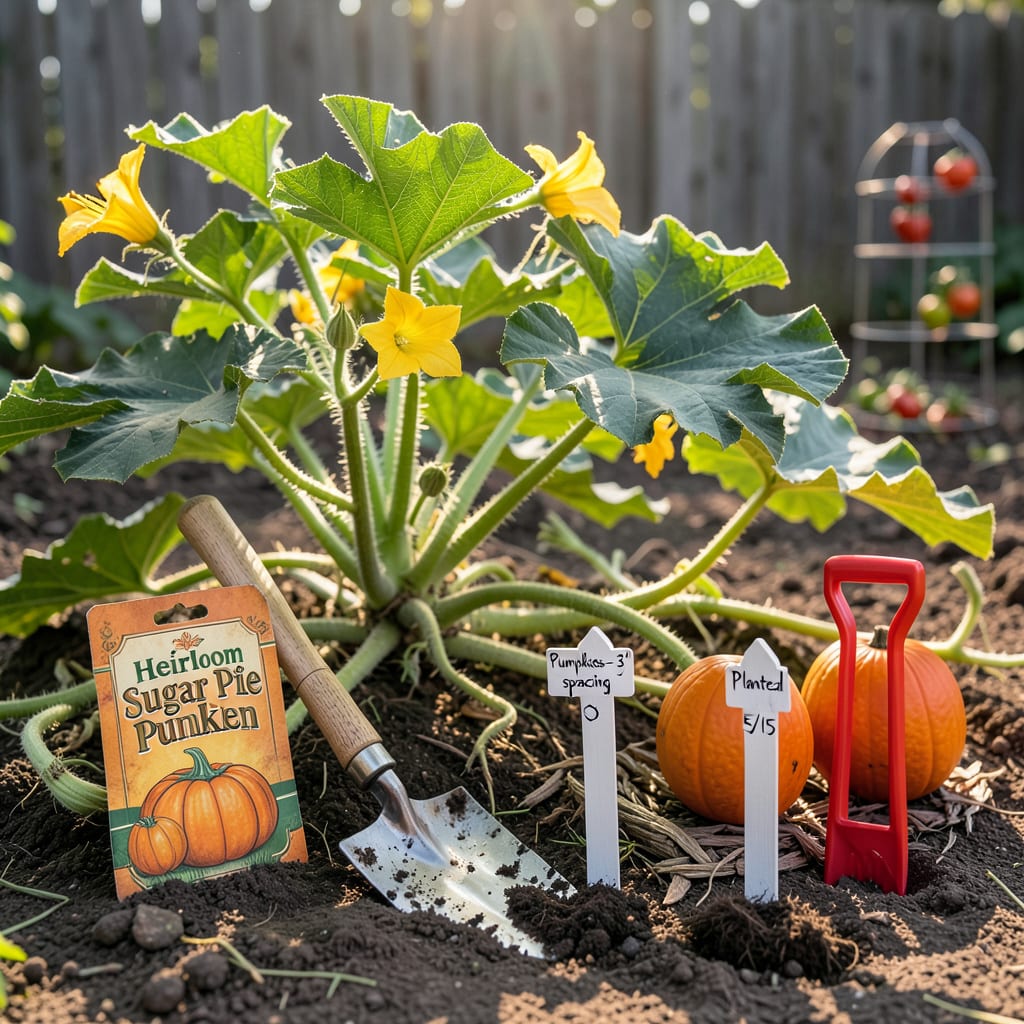
Florida’s heat can turn pumpkin dreams into a soggy nightmare—unless you nail the timing. Plant too early, and late frosts might strike; wait too long, and your 🌱 pumpkins will bake in summer’s relentless sun before Halloween even arrives.
After years of testing (and a few failed harvests), I’ve cracked the code for Florida’s finicky climate. Here’s exactly when to get those seeds in the ground—region by region—so you can grow plump, vibrant pumpkins without the guesswork.
Florida’s unique climate means pumpkin planting isn’t one-size-fits-all. The state’s three distinct regions—North, Central, and South—each have microclimates that shift planting windows. In North Florida, you’ll battle occasional late frosts, while Central Florida offers a longer growing season. South Florida gardeners face tropical humidity and year-round heat.
Timing is critical because pumpkins need 90–120 days to mature, and Florida’s summer heat can stress vines. Plant too late, and your pumpkins may rot before Halloween. Too early, and a surprise frost could wipe out seedlings. The sweet spot? Aim for soil temps above 70°F and avoid the July–August heatwave.
Note: Adjust dates by 2 weeks for early/late Halloween harvests. Avoid planting in July–August due to extreme heat stress.
In North Florida, I recommend planting pumpkin seeds in late February through March. This region can still see light frosts in early spring, so keep row covers handy. Central Florida gardeners have more flexibility—early March to April works well, but watch for squash vine borers in late spring.
For South Florida, the game changes entirely. The tropical climate means you’ll plant in late October to November for a spring harvest. Yes, you read that right—fall planting! This avoids the summer monsoons and pest pressure that peak in June and July.
No matter where you are, soil temperature is your best friend. Use a soil thermometer to confirm temps are consistently above 70°F before planting. If you’re eager to start earlier, black plastic mulch can warm the soil faster. Just remove it once seedlings emerge to prevent overheating.
If you’re aiming for Halloween pumpkins, count backward from October 1st. Most varieties need 90–100 days, so North Florida gardeners should plant by early July for a late-season crop. Central Florida can push to mid-July, while South Florida gardeners might need to adjust expectations—spring harvests are more reliable here.
For moon planting enthusiasts, Florida’s folklore tradition suggests sowing seeds during a waxing moon for stronger vines. While not scientifically proven, many swear by it! If you’re trying this method, align your planting dates with the lunar calendar—just don’t let it override soil temps.
Pro tip: Sandy soil drains fast, so mix in compost or aged manure before planting. This helps retain moisture and provides nutrients. I also recommend drip irrigation to keep foliage dry and reduce powdery mildew risk in humid areas. Mulch with straw or pine needles to suppress weeds and maintain even soil temps.
Finally, watch the 10-day forecast before planting. If a cold snap is predicted, hold off—pumpkins hate frost. In South Florida, keep an eye on hurricane season (June–November). Heavy rains can drown seedlings, so raised beds or mounds are a smart investment for drainage.
By following these region-specific timelines, you’ll dodge the worst of Florida’s heat, pests, and storms—and still have perfect pumpkins for carving or pies by fall. Now grab your seeds and get planting! 🌱
Not all pumpkins can handle Florida’s humid heat and sandy soil. After years of trial and error in my own garden, I’ve found that heat-tolerant varieties make all the difference. These cultivars resist powdery mildew, thrive in high temperatures, and still deliver that classic pumpkin charm.
Whether you’re growing for jack-o’-lanterns, pies, or ornamental displays, choosing the right variety sets you up for success. Below are my top five picks, tested in Florida’s toughest conditions. Each one balances disease resistance, fast maturity, and flavor or carving quality—so you don’t have to compromise.
Tip: For South Florida, prioritize Seminole or Fairytale—their shorter maturity avoids summer storms. In North Florida, Howden handles cooler springs better.
The Seminole pumpkin is my top pick for Florida gardeners. This heirloom variety was bred in Florida and thrives in hot, humid conditions. It resists powdery mildew and vine borers, two of the biggest threats here. Plus, its sweet, dense flesh is perfect for pies or roasting.
If you’re after showstopping jack-o’-lanterns, Howden is the classic choice. It’s widely available and grows uniform, 20–25 lb fruits. Just be sure to plant it early—it needs 110–120 days to mature. In Central Florida, I start seeds in late February to beat the summer heat.
For something unique, try Fairytale pumpkins. Their deep ribs and rich flavor make them a dual-purpose gem. They’re also more compact than other varieties, ideal for small gardens or containers. I’ve grown them in raised beds with great success—just add extra compost to Florida’s sandy soil.
Lumina is the go-to for white pumpkins, which add a ghostly touch to fall decor. They’re less prone to sunburn than orange varieties, a big plus in Florida’s intense UV. Pair them with Cinderella (a French heirloom) for a storybook-themed harvest. Both varieties store well, too—up to 3 months in cool, dry conditions.
When sourcing seeds, I recommend Florida-based suppliers like Southern Exposure Seed Exchange or UF/IFAS Extension trials. They test varieties in local conditions, so you’re getting proven performers. Avoid big-box stores—their seeds may not be
Florida’s climate is a double-edged sword for pumpkins—warm soil speeds up growth, but humidity and pests can sabotage your harvest in weeks. After helping dozens of gardeners troubleshoot their pumpkin patches, I’ve seen the same mistakes repeat year after year. The good news? Most are easily avoidable with a few tweaks.
The biggest blunder? Planting in July or August. I get it—the allure of a second harvest is tempting, but Florida’s summer heat stresses vines, and vine borers peak in these months. Pumpkins planted now often wilt before fruiting or produce small, misshapen gourds. Stick to spring or fall plantings for reliable results.
⚠️ Pumpkin Pitfalls in Florida
Another common error is overwatering in sandy soil. Florida’s fast-draining ground means roots can’t access water if you sprinkle lightly daily. Instead, water deeply 2–3 times weekly, giving roots a reason to grow downward. Use a moisture meter to check depth—6 inches down should stay damp but not soggy.
Powdery mildew is the silent killer of Florida pumpkins. This fungal disease thrives in humid conditions, coating leaves in white dust and stunting growth. Prevent it by watering early in the morning (so foliage dries fast) and applying neem oil every 10–14 days. Remove infected leaves immediately to stop spread.
Don’t forget soil preparation! Florida’s sandy, nutrient-poor soil needs a boost before planting. Work in 2–3 inches of compost or well-rotted manure, plus a balanced fertilizer (like 10-10-10). I also add mycorrhizal fungi to help roots absorb nutrients in sandy conditions. Test your soil’s pH—pumpkins prefer 6.0–6.8.
Finally, spacing matters. Crowded pumpkin vines compete for nutrients and airflow, making them vulnerable to pests and diseases. Give each plant 50–100 sq ft of space, or train vines vertically on a trellis to save room. In small gardens, try bush varieties like ‘Bushkin’ or grow in large containers (minimum 5-gallon pots).
Summer planting is risky due to extreme heat and pest pressure. Pumpkins thrive in 70–85°F soil, but Florida’s July–August temps often exceed 90°F, stressing plants. Opt for spring (Feb–April) or fall (Oct–Nov) plantings instead.
Use raised beds or mounds to improve drainage and prevent root rot. Mulch with straw or pine needles to shield soil from erosion. For container growing, ensure pots have drainage holes and elevate them during storms.
Mix in 2–3 inches of compost or aged manure before planting. Add mycorrhizal fungi to boost nutrient uptake. A balanced fertilizer (10-10-10) at planting helps, but avoid over-fertilizing—it can attract pests like aphids.
Yes, but choose bush varieties like ‘Bushkin’ and use 5-gallon+ containers. Ensure pots have drainage holes and place them in full sun (6–8 hours daily). Container-grown pumpkins need daily watering in summer to prevent drying out.
