
Beautiful Plants For Your Interior
Beautiful Plants For Your Interior
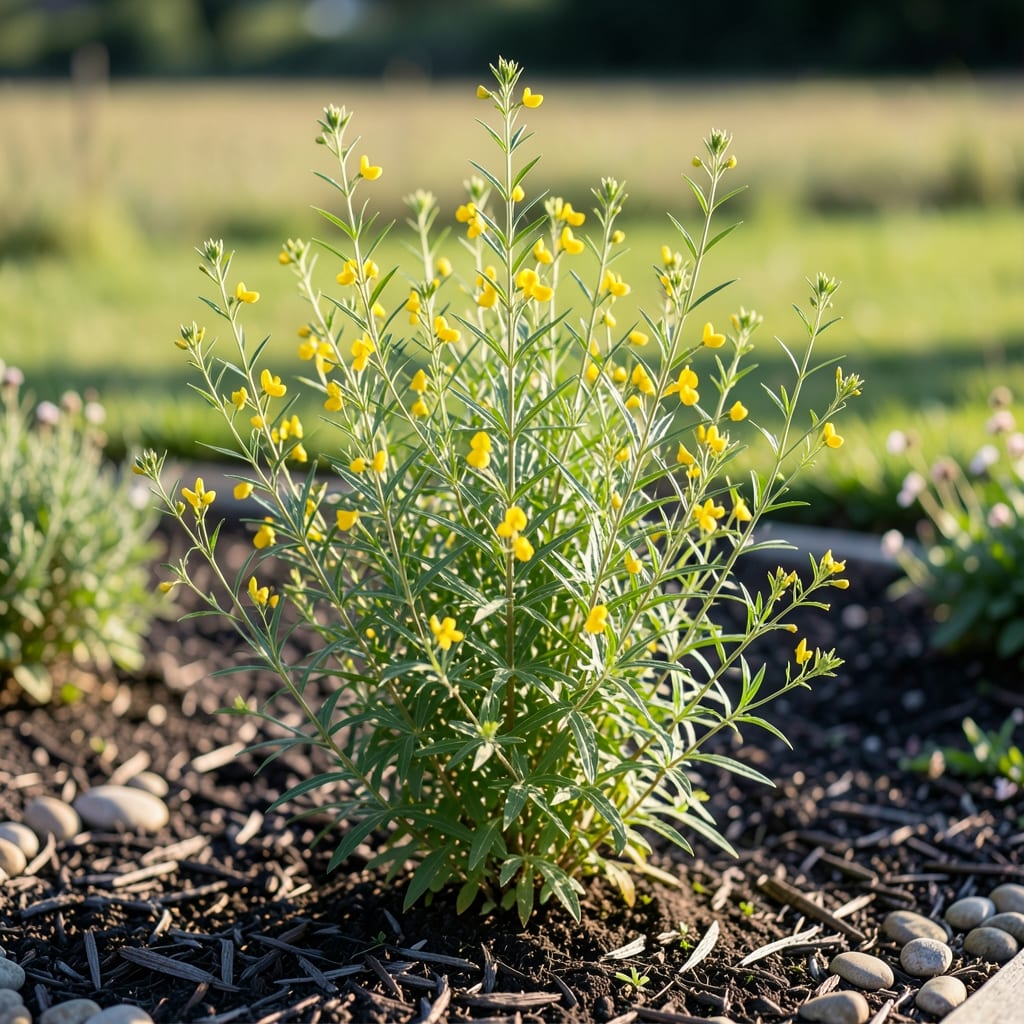
That bright yellow explosion in spring isn’t always welcome. Scotch broom’s golden blooms catch every eye, but I’ve learned this plant demands respect—it spreads fast and outcompetes native species if left unchecked.
Early identification is your best defense. Look for tall, upright stems covered in small leaves and those unmistakable pea-like flowers. The key is spotting it before it takes over your landscape.
Prevention starts with understanding its preferences: full sun, well-drained soil, and little fuss. It thrives in poor conditions, which is both its strength and its downfall.
Left alone, it’ll transform a wild corner into a sea of yellow. But with the right approach, you can enjoy its beauty without the invasion.
Scotch broom (Cytisus scoparius) leaves turning yellow often signal underlying issues. Below are the primary causes, explained scientifically and actionably.
Yellowing leaves, or chlorosis, frequently result from a lack of essential nutrients like nitrogen, iron, or magnesium. Nitrogen deficiency typically causes uniform yellowing, starting with older leaves. Iron deficiency, however, leads to interveinal chlorosis—yellowing between the veins—while magnesium deficiency often appears as yellow patches between veins on older leaves.
Action: Test soil pH (ideal range: 6.0–7.0). Amend with compost or a balanced fertilizer to restore missing nutrients.
Excessive water or compacted soil suffocates roots, reducing oxygen uptake and nutrient absorption. This stress triggers yellowing, often accompanied by wilting or drooping leaves. Scotch broom thrives in well-draining soils, and waterlogged conditions can lead to root rot.
Action: Improve drainage with organic matter (e.g., sand or perlite). Water only when the top 1–2 inches of soil are dry.
Pathogens like Phytophthora or Fusarium can cause yellowing, often with brown or black spots, wilting, or stunted growth. These fungi thrive in wet, poorly ventilated conditions, entering through roots or wounds.
Action: Remove infected plant parts immediately. Apply fungicides (e.g., copper-based) and ensure proper air circulation.
Sap-sucking pests like aphids, spider mites, or scale insects drain plant nutrients, leading to yellowing leaves. Check the undersides of leaves for tiny insects or webbing.
Action: Spray with insecticidal soap or neem oil. Introduce beneficial insects like ladybugs for natural control.
Extreme temperatures, sudden frost, or excessive sun exposure can stress Scotch broom, causing leaves to yellow or scorch. This is often temporary but weakens the plant if prolonged.
Action: Provide afternoon shade in hot climates. Mulch to regulate soil temperature and retain moisture.
If your scotch broom is showing yellowing leaves, act fast to restore its health. Below are targeted fixes for common causes, plus tips to keep your plant thriving long-term.
Yellowing often signals a lack of nitrogen, iron, or magnesium. Test your soil first—kits are affordable and easy to use. For nitrogen, apply a balanced fertilizer (10-10-10) and water deeply. If iron is the issue, use chelated iron supplements or amend soil with compost. For magnesium, Epsom salt spray (1 tbsp per gallon of water) works wonders.
Prevention: Fertilize lightly in early spring and mulch with organic matter to retain nutrients. 💡
Soggy roots suffocate and turn leaves yellow. Check drainage by digging a small hole—if water pools for hours, your soil is too compacted. Fix it by mixing in sand or perlite. If the plant is in a pot, ensure drainage holes are unblocked. Reduce watering until the top inch of soil is dry.
Prevention: Plant scotch broom in well-draining soil and water only when the soil feels dry. ⏰
Spider mites, aphids, or fungal infections like powdery mildew can cause yellowing. Inspect leaves for webbing, spots, or sticky residue. For pests, spray with neem oil or insecticidal soap. For fungi, remove affected foliage and apply a copper-based fungicide. Prune crowded branches to improve airflow.
Prevention: Keep the area clean, avoid overhead watering, and space plants properly. ✨
Too much shade or extreme heat can stress scotch broom. If leaves turn yellow in shady spots, relocate the plant to a sunnier area (6+ hours of light daily). In hot climates, provide afternoon shade and mulch to retain moisture.
Prevention: Choose a planting site with full sun to partial shade and protect from harsh winds. 🎯
Heat stress is a common cause, especially in extreme temperatures above 90°F. Provide afternoon shade and keep soil consistently moist but not soggy to help it recover.
Yes, waterlogged soil suffocates roots and leads to yellow leaves. Let the top 1-2 inches of soil dry out between waterings to prevent this issue.
Remove severely yellowed or damaged leaves to redirect energy to healthy growth. Use clean shears and discard the leaves away from the plant to prevent disease spread.
Use a home soil test kit to check pH and nutrient levels. Ideal pH for scotch broom is 6.0-7.0. Adjust with compost or specific fertilizers based on results.