
Beautiful Plants For Your Interior
Beautiful Plants For Your Interior
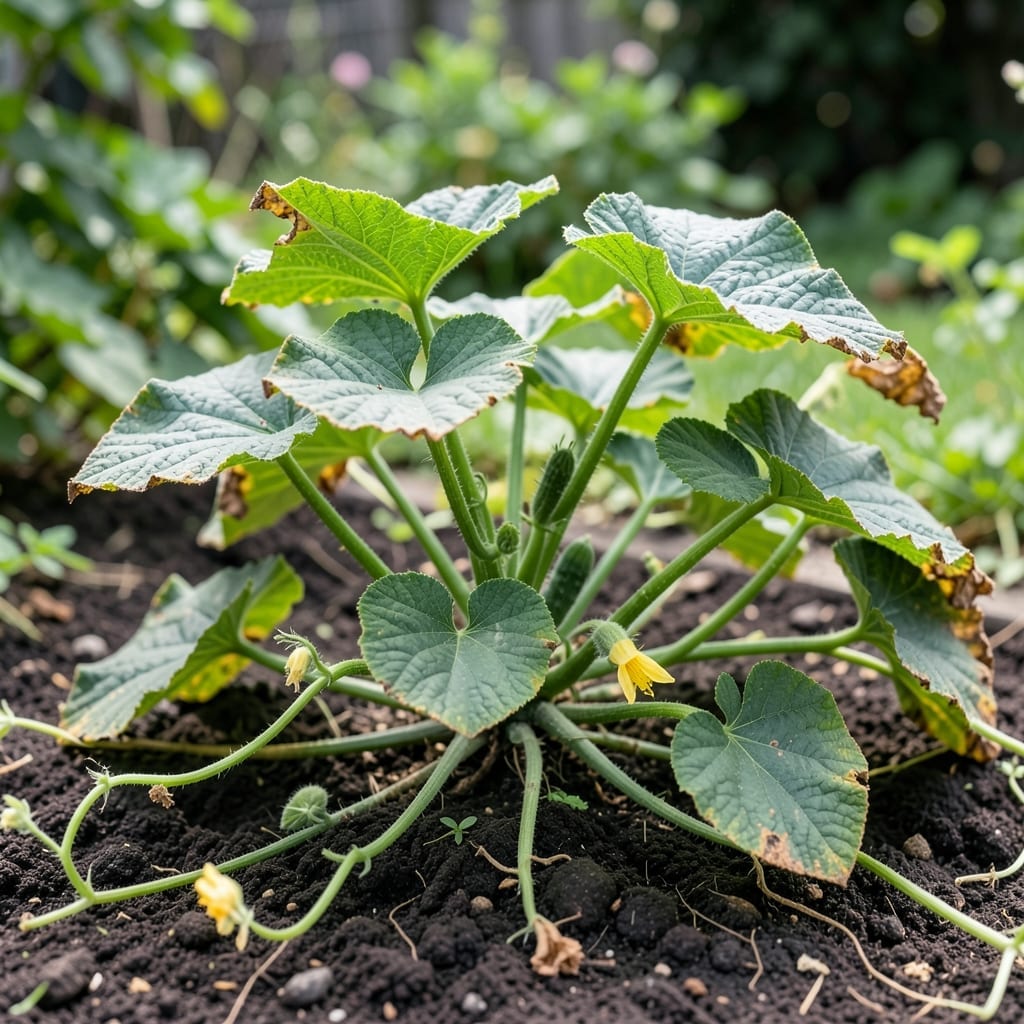
Those crispy brown edges on your cucumber leaves aren’t just ugly—they’re a warning sign. 🌿 I’ve lost entire plants to this before learning that scorching usually means one of three things: too much sun, not enough water, or a nutrient imbalance.
Here’s the thing—cucumbers need 6-8 hours of sunlight, but afternoon heat can fry them. The fix is often simpler than you think: shade cloth, consistent watering, or a quick soil amendment can turn things around fast.
Within 3-5 days of adjusting care, new growth emerges greener and healthier. The key is catching it early before the stress spreads to the whole plant.
Works for garden beds, containers, and even greenhouse setups. Let’s save those vines before it’s too late.
Scorched cucumber leaves often result from environmental stress or improper care. Below are the most common causes, each with clear, actionable explanations.
Cucumbers thrive in warm conditions, but excessive heat (above 90°F) or intense direct sunlight can scorch leaves. The plant’s cells overheat, leading to necrotic tissue (brown, crispy edges). This is especially common in midday sun without shade or mulch to moderate soil temperature.
Underwatering causes leaf dehydration, while overwatering leads to root rot, reducing the plant’s ability to absorb nutrients. Both extremes disrupt osmoregulation, where cells lose turgor pressure, resulting in wilted, scorched-looking leaves. Inconsistent watering (e.g., drought followed by flooding) is particularly damaging.
Over-fertilization or high-salt irrigation water can cause salt burn. Excess salts in the soil draw moisture out of the roots, leading to dehydration and leaf scorch. Synthetic fertilizers with high nitrogen or potassium levels are common culprits. Always flush soil with water if salt buildup is suspected.
A lack of magnesium or potassium often manifests as leaf scorch, starting at the edges. These nutrients are vital for chlorophyll production and cell wall integrity. Yellowing between leaf veins (interveinal chlorosis) may accompany scorch if magnesium is deficient, while potassium deficiency causes uniform browning.
When your cucumber plants show scorched leaves, quick action can save the crop. Here’s how to treat the most common causes and restore plant health:
Move potted plants to partial shade during peak sun hours (11 AM–3 PM). For garden beds, use shade cloth (30–50%) to diffuse intense light. Water deeply at the base early in the morning to hydrate roots before heat sets in. Mulch with straw to retain moisture and cool the soil.
Prevention tip: 🌡️ Harden off seedlings gradually before transplanting to full sun.
Check soil moisture 1–2 inches down—it should feel slightly damp, not soggy or bone-dry. Water consistently (1–1.5 inches per week) using drip irrigation to avoid wetting leaves. If overwatering is the issue, stop watering until the top inch of soil dries out and improve drainage with compost.
Prevention tip: 💡 Use a moisture meter to take the guesswork out of watering.
Flush the soil with slow, deep watering to leach out excess salts. Switch to a balanced, organic fertilizer (like 5-5-5) and apply at half strength. Avoid high-nitrogen synthetic feeds, which can burn leaves on contact.
Prevention tip: ✨ Always water plants before fertilizing to prevent root burn.
Remove and destroy severely affected leaves (do not compost). Spray remaining foliage with neem oil or a copper-based fungicide at first signs. Improve airflow by thinning dense plants and watering at the base to keep leaves dry.
Prevention tip: 🎯 Rotate crops yearly and avoid overhead watering to reduce disease risk.
With timely care, your cucumbers can bounce back—stronger and more resilient!
Once damaged, leaves won’t heal, but new growth can emerge healthy. Focus on fixing the root cause, and you’ll see fresh, green leaves within 1-2 weeks.
Water early in the morning to hydrate plants before heat stress sets in. Evening watering can promote fungal growth, especially in humid climates.
Heat stress causes crispy edges on upper leaves first. Nutrient issues often start with yellowing or browning between veins. Test soil and observe patterns to confirm.
Yes, prune severely damaged leaves to redirect energy to healthy growth. Use clean shears and remove only the affected parts to avoid further stress.