
Beautiful Plants For Your Interior
Beautiful Plants For Your Interior
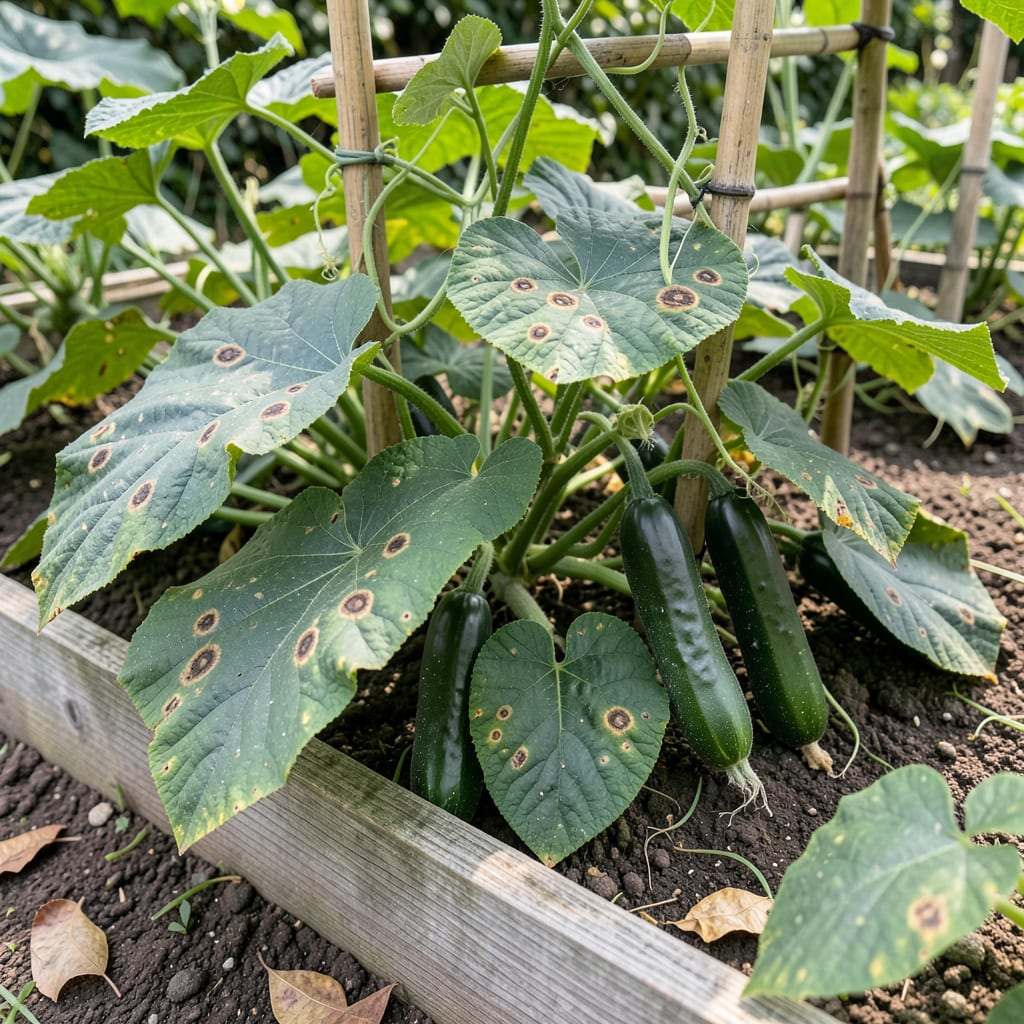
Brown spots on cucumber leaves mean trouble. I’ve seen healthy plants turn patchy overnight, and the fix starts with knowing what’s attacking them—fungus, pests, or just bad watering habits.
Most times it’s a fungal issue from wet leaves or poor airflow. Sometimes it’s pests chewing away, leaving behind damage that looks like disease. Environmental stress like heat or inconsistent watering can do it too.
You’ll see leaves bounce back within a week once you adjust watering, improve airflow, or apply the right treatment. The key is acting fast before it spreads to the whole plant.
Works for backyard gardens, raised beds, or container cucumbers. Here’s how to diagnose and fix it.
Brown spots on cucumber leaves often signal underlying issues that disrupt plant health. Here are the primary causes, explained scientifically:
Cercospora leaf spot and anthracnose thrive in warm, humid conditions. These fungi release enzymes that break down leaf tissue, creating circular brown or tan lesions with dark borders. Spores spread via water splashes or wind, especially in crowded plantings with poor airflow.
Bacterial leaf spot (Pseudomonas syringae) causes small, water-soaked spots that turn brown and dry. Bacteria enter through stomata or wounds, multiplying rapidly in wet foliage. Overhead watering exacerbates this, as moisture on leaves creates ideal entry points.
Spider mites and thrips pierce leaf cells to feed, causing stipling or yellowing that progresses to brown necrotic spots. Their damage weakens the leaf’s ability to photosynthesize, stressing the plant further.
Excessive heat or sun scald can create crisp, brown patches, especially if leaves were previously shaded and suddenly exposed. Poor soil nutrition (e.g., calcium deficiency) also leads to tissue death, manifesting as irregular brown spots.
Addressing brown spots on cucumber leaves starts with identifying the cause and applying the right fix. Here’s a practical guide to treating the most common issues:
Fix: Remove and destroy infected leaves to prevent spread. Apply a copper-based fungicide or a homemade solution of 1 tsp baking soda + 1 quart water + a few drops of dish soap. Spray every 7–10 days until the issue clears.
Prevention: Improve air circulation by spacing plants 18–24 inches apart. Water at the base (not overhead) to keep foliage dry. 💡 Pro tip: Use drip irrigation for consistent moisture without wetting leaves.
Fix: Blast pests off with a strong stream of water. For severe infestations, use neem oil or insecticidal soap, applying in the early morning or late evening. Repeat every 3–5 days as needed.
Prevention: Encourage beneficial insects like ladybugs by planting companion flowers (e.g., marigolds). Inspect leaves weekly for early signs of pests. ✨
Fix: Adjust your watering routine. Stick your finger 1–2 inches into the soil—if it’s dry, water deeply; if soggy, hold off until it dries. Ensure pots have drainage holes to avoid root rot.
Prevention: Mulch around plants with straw to retain moisture evenly. Use a moisture meter for precision. 🌡️
Fix: Apply a balanced fertilizer (e.g., 10-10-10) or a targeted amendment like Epsom salt (1 tbsp/gallon of water) for magnesium. Yellowing leaves with brown spots often signal a need for potassium—try a banana peel tea or potassium sulfate.
Prevention: Test your soil annually and amend as needed. Rotate crops yearly to prevent depletion. 🎯
Act quickly at the first sign of trouble, and your cucumbers will bounce back with lush, spot-free leaves!
Yes, remove affected leaves immediately to prevent spread. Use clean shears and dispose of them in the trash, not compost. This stops fungi or bacteria from infecting healthy foliage.
Soggy soil promotes fungal growth and root stress, leading to brown patches. Check soil moisture 1-2 inches deep before watering again.
A 1 tsp baking soda + 1 quart water + dish soap spray works in 7-10 days. Apply weekly until spots disappear. Ensure good airflow between plants.
Space plants 18-24 inches apart, water at the base, and rotate crops yearly. Mulch with straw to reduce soil splash on leaves.
