
Beautiful Plants For Your Interior
Beautiful Plants For Your Interior
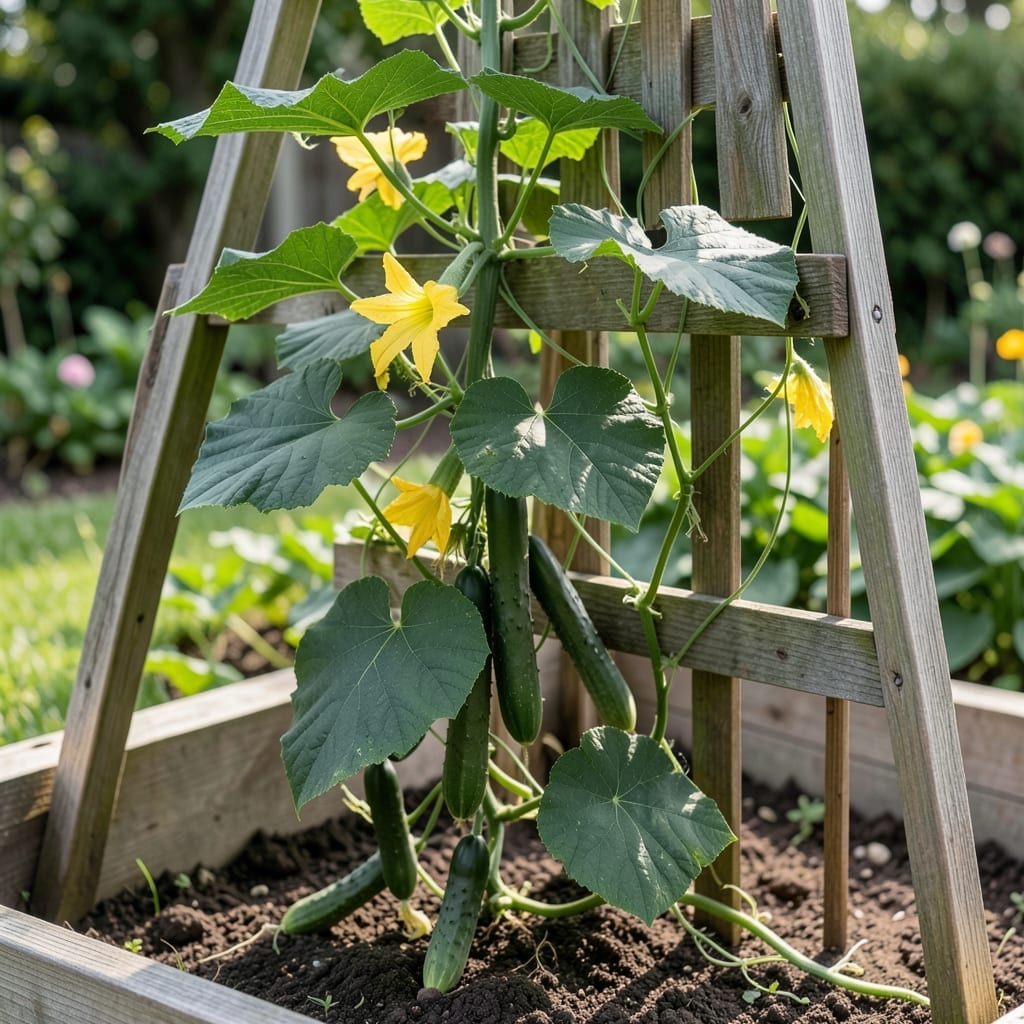
Ever noticed your 🥒 Cucumber plants looking lackluster despite your best efforts? Sunlight might be the missing piece of the puzzle. Getting this right can mean the difference between a meager harvest and a thriving garden.
I’ve seen firsthand how the right amount of light transforms these plants. It’s not just about more sun—it’s about the perfect balance for healthy growth and bountiful yields.
Discover exactly what your Cucumber plants need to flourish, and watch your garden reach its full potential this season.

If you want healthy cucumber plants, sunlight is non-negotiable. These warm-season vegetables thrive in full sun, which means they need a solid 6 to 8 hours of direct sunlight each day. Less than this, and you risk stunted growth and poor fruit production. ☀️
I’ve found that slicing cucumbers and pickling varieties both demand plenty of light, though some newer hybrids can tolerate partial shade. Still, for the best yields, aim for that 8-hour sweet spot where they can photosynthesize efficiently. 🌱
| Requirement | Specification |
|---|---|
| Ideal Sunlight | 6-8+ hours daily |
| Light Type | Direct sunlight |
| Minimum Sun | 4-6 hours (less ideal) |
| Best Window | South-facing exposure |
In my garden, I’ve noticed that morning sun is especially beneficial. It dries the dew quickly, reducing the risk of fungal diseases like powdery mildew. If you’re in a hot climate, a bit of afternoon shade can prevent leaf scorch, but don’t skimp on the total hours. 🌿
For those with limited sunlight, consider using reflective mulches or white garden fabric to maximize light exposure. Even a small boost can make a big difference in fruit quality and plant vigor. I’ve seen aluminum foil placed around plants increase light reflection effectively.
Container gardeners should place pots where they get unobstructed sunlight for most of the day. A sunny balcony or patio works well, but avoid deep shade under trees or buildings. Remember, cucumbers are vines—they’ll climb toward the light if given a trellis or support.
If you’re growing cucumbers indoors, a south-facing window is ideal, but you’ll likely need grow lights to supplement. I recommend LED grow lights for 12-14 hours daily to mimic natural sunlight. Without enough light, indoor plants often become leggy and weak.
Another tip: rotate your plants occasionally if they’re in containers. This ensures all sides get equal light exposure, preventing lopsided growth. I do this every few days with my potted cucumbers, and it keeps them balanced and healthy.
Finally, monitor your plants for signs of stress. If leaves start yellowing or the vines grow long and sparse, it might be a sign they’re not getting enough light. Adjust their position or supplement with artificial lighting as needed. ✂️
With the right sunlight, your cucumber plants will reward you with crisp, flavorful fruits all season long. It’s one of the simplest yet most effective ways to ensure a successful harvest. 🌻
If your cucumber plants look weak or underperforming, sunlight deprivation might be the culprit. The first sign I notice is yellowing leaves, especially on the lower parts of the plant. This happens because chlorophyll production slows down without adequate light. ☀️
Another red flag is leggy growth—when stems become long and thin as the plant stretches toward any available light. I’ve seen this often in shady garden spots or when cucumbers are crowded by taller plants. Poor fruiting is also common, as the plant focuses energy on growth rather than producing cucumbers. 🌱
⚠️ Warning: Slow germination and small, pale leaves are early signs your cucumbers need more sun. Without intervention, yields can drop by 50% or more.
In my experience, corrective action starts with relocating plants to a sunnier spot. If that’s not possible, try pruning nearby plants to reduce shade. For container cucumbers, move pots to a south-facing area where they can soak up more rays. 🌿
You can also use reflective surfaces like white mulch or aluminum foil to bounce extra light onto the plants. I’ve had success with this trick in my own garden, especially for plants stuck in partial shade. It’s a simple fix that can make a big difference.
If you notice fewer female flowers (which develop into cucumbers), this is another sign of insufficient light. Cucumbers are sun-lovers, and without enough light, they’ll struggle to produce both male and female blooms. A sunlight meter can help confirm if your spot is getting enough exposure.
Finally, don’t overlook soil temperature. Cucumbers prefer warm soil (around 70°F), and cold, shaded ground can slow growth even if air temperatures are warm. Use black plastic mulch to help retain heat in cooler areas. ✂️