
Beautiful Plants For Your Interior
Beautiful Plants For Your Interior
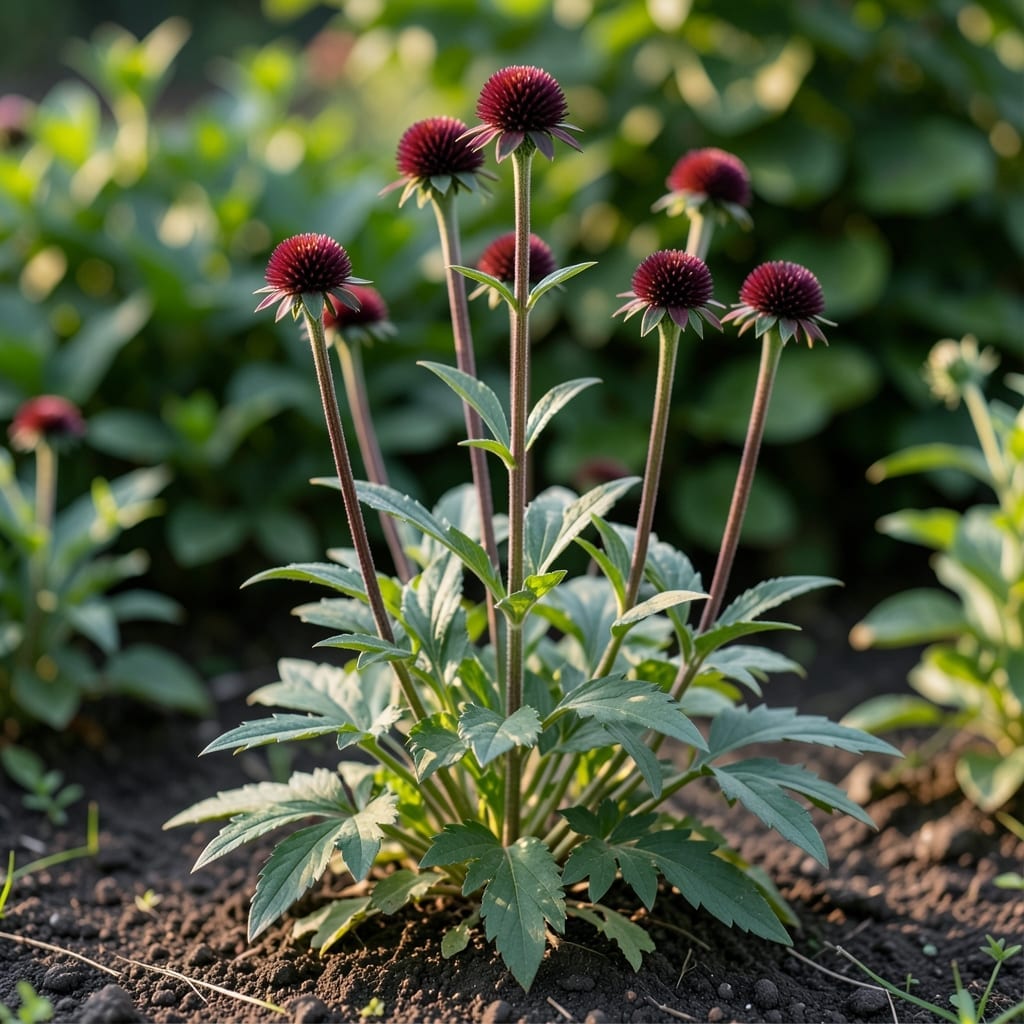
White fuzz on your Scabiosa ‘Podchocolate’ leaves means trouble. I first noticed mine last summer, and it spread faster than I expected. This mold doesn’t just look bad—it weakens plants and can kill them if ignored.
Overwatering and poor air circulation are the usual culprits. The good news is this problem responds well to early action. A simple adjustment in watering habits and airflow can stop it in its tracks.
Organic treatments like neem oil or baking soda sprays work if you catch it soon. For stubborn cases, copper fungicide does the job without harming beneficial insects.
Prevention is easier than cure. Space plants properly, water at the base, and keep foliage dry. Your garden will thank you.
Scabiosa podchocolate mold thrives under specific environmental and cultural conditions. Below are the primary causes, explained with actionable insights to help you prevent its onset.
High humidity and waterlogged soil create the perfect breeding ground for Podochytrium fungi, the pathogen behind this mold. Overwatering, poor soil drainage, or dense plant canopies that trap moisture can accelerate spore germination. Action: Ensure your Scabiosa plants are spaced for airflow and use well-draining soil mixes with perlite or sand.
The fungus proliferates in temperatures between 70–85°F (21–29°C), especially when combined with stagnant air. Greenhouses or crowded garden beds without ventilation exacerbate the problem. Action: Improve air circulation with fans or strategic pruning, and avoid planting in low-lying areas where warm air settles.
Fungal spores overwinter on decaying leaves, stems, and seed pods. If old plant debris remains in the soil, it can reinfect new growth. Action: Remove and destroy (do not compost) infected plant material immediately. Rotate crops yearly to disrupt the fungal lifecycle.
Wetting the foliage during watering spreads spores and prolongs leaf wetness, a key factor in infection. Action: Switch to drip irrigation or water at the base of the plant early in the day, allowing foliage to dry quickly.
Dealing with scabiosa podchocolate mold can be frustrating, but the right approach can restore your plant’s health. Below are targeted solutions for common causes, paired with prevention tips to keep the issue at bay.
Stagnant air traps moisture, creating a breeding ground for mold. Fix: Space plants at least 12–18 inches apart to allow airflow. If growing indoors, use a small fan on low to circulate air gently. Prune dense foliage to open up the plant’s center.
Prevention: Avoid overcrowding in gardens or containers. Trim nearby weeds or tall grasses that block airflow.
Overwatering or poor drainage leads to soggy soil, which invites mold. Fix: Let the top 1–2 inches of soil dry out before watering again. Switch to drip irrigation or water at the base to keep leaves dry. For potted plants, ensure pots have drainage holes.
Prevention: Water early in the day so excess moisture evaporates by evening. Use a moisture meter to avoid guesswork.
Mold spores can linger in contaminated soil. Fix: Remove affected soil and replace it with fresh, sterile potting mix. For mild cases, drench the soil with a 1:10 hydrogen peroxide-to-water solution (3%) to kill spores without harming roots.
Prevention: Rotate planting locations yearly and avoid reusing soil from infected plants.
If mold persists, treat with organic options. Fix: Spray leaves with neem oil (mix 1 tbsp per gallon of water + ½ tsp dish soap) or baking soda solution (1 tsp baking soda + 1 quart water + a few drops of soap). Apply every 7–10 days until resolved.
Prevention: Remove and destroy heavily infected leaves or stems to prevent spread. Sterilize tools with rubbing alcohol after pruning.
Pro Tip 💡: Boost plant resilience with a balanced organic fertilizer to strengthen natural defenses against future outbreaks.
It appears as white, fuzzy growth on leaves and stems. Early signs include yellowing leaves or small white spots that spread quickly in humid conditions.
Yes, if caught early. Remove affected parts, improve airflow, and apply organic fungicides like neem oil. Severe cases may require removing the plant to protect others.
Apply every 7-10 days until the mold disappears. Spray in the evening to avoid leaf burn, and always follow label instructions for dilution.
Yes, spores travel easily by wind and water. Isolate infected plants and avoid overhead watering to prevent spreading to healthy ones.